Union Pacific–Norfolk Southern merger faces union safety pushback
17.12.2025
The Union Pacific–Norfolk Southern merger is now facing organized resistance from two of the rail industry’s biggest labor groups, which say the proposed deal could increase safety risks, raise costs, and disrupt freight service, as outlined in recent coverage by Railway Supply.
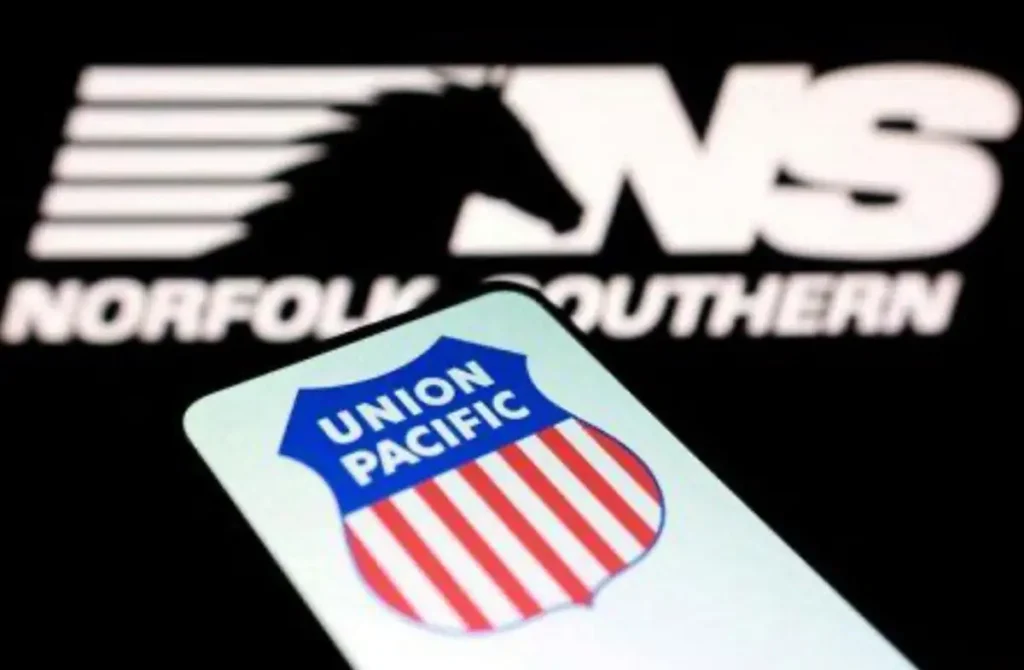
The Brotherhood of Locomotive Engineers and Trainmen and the Brotherhood of Maintenance of Way Employes Division — together representing more than half of the workers at the two railroads — plan to announce Wednesday that they oppose the $85 billion rail merger, The Associated Press reported. The unions say they are concerned the combination could drive up shipping rates and consumer prices, cause significant disruptions, and add new pressure on day-to-day operations.
Rail unions oppose merger over safety and costs
With that stance, the two unions become prominent critics of a plan that would create the nation’s first transcontinental railroad. They join other opponents, including the American Chemistry Council, a mix of agricultural groups, and competing railroad BNSF, which have also raised competition concerns tied to the consolidation.
Don’t miss…European Sleeper crowdfunding campaign targets €2.3m for expansion
Support for the deal has also emerged. Backers include the nation’s largest rail union representing conductors, hundreds of individual shippers, and an Oval Office endorsement from President Donald Trump.
Surface Transportation Board review and 2001 rules
The next phase runs through the U.S. Surface Transportation Board, which is expected to weigh views from labor, customers, competitors, and other stakeholders once Union Pacific and Norfolk Southern submit their formal application. The companies are expected to file later this week, kicking off the Surface Transportation Board review of whether the deal meets the public-interest test.
Regulators plan to apply the tougher standard adopted in 2001 after a run of troubled rail mergers in the 1990s that caused some shipments to be delayed for weeks or even months, as set out in the Federal Register’s Major Rail Consolidation Procedures. Under those rules, mergers involving the six largest railroads must be in the public interest and must enhance competition.
When the board approved the first major rail merger in more than two decades two years ago, it used a less stringent standard that allowed Canadian Pacific to acquire Kansas City Southern for $31 billion.
Safety risks, competition concerns, and what comes next
Union Pacific CEO Jim Vena has said the combined railroad would benefit the economy by moving freight faster, avoiding handoffs between carriers in the middle of the country. He has also argued a coast-to-coast network could compete more effectively with trucking. Union leaders, however, say months of meetings with Vena and other executives left them unconvinced, and they do not view job-protection promises as detailed enough to rely on.
Mark Wallace, national president of the Brotherhood of Locomotive Engineers and Trainmen, said the deal could create a monopoly that raises costs for businesses, with those increases passed on to consumers. He also said the merged carrier could shift lines serving small towns, farms, and factories to short line railroads while running miles-long, slow-moving trains on main routes — leaving customers with limited options.
For the unions, the safety risks after merger are a central concern. They point to progress Norfolk Southern has made over the past roughly two and a half years since the East Palestine, Ohio derailment, and warn safety could deteriorate in the wake of consolidation.
Vena and Norfolk Southern CEO Mark George have said they believe the merger will win approval because they see it as beneficial for the country, customers, and rail workers. They also note that shareholders of both railroads overwhelmingly support the deal.
Transportation expert and DePaul University professor Joe Schwieterman said the sheer scale of the proposal has fueled concerns it could prompt another consolidation and leave companies with only two American railroads to deal with. Even so, he said many stakeholders want to scrutinize the details in the merger application. Schwieterman also said a merged Union Pacific would likely control more than 40% of the nation’s freight.
BNSF has challenged the case for the deal as well. Chief of Staff Zak Andersen said the Berkshire Hathaway-owned railroad believes the merger would harm competition and translate into higher rates with fewer options for shippers. “No customer is asking for this,” Andersen said. “This is strictly a Wall Street play for shareholders.”
Earlier this fall, Buffett and Canadian Pacific Kansas City’s CEO said they were not interested in any kind of rail merger right now, arguing instead for cooperation to speed shipments without the complications of consolidation. Still, CSX replaced its CEO this fall with an executive whose background includes leading companies through major mergers.
News on railway transport, industry, and railway technologies from Railway Supply that you might have missed: