Single-level shift for Amtrak long-distance rolling stock replacement
27.02.2026
Amtrak long-distance rolling stock replacement is being reshaped around standardization, broader competition among potential railcar manufacturers, lower program risk, and a faster timeline for retiring aging passenger carriages.

Why Amtrak long-distance rolling stock replacement is changing?
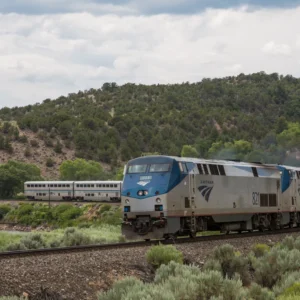
Amtrak has revised its long-distance plan to reduce the complexity of operating a hybrid fleet. Under the new strategy, all long-distance routes will transition to single-level trains and railcars. This will replace today’s mix of double-level and single-level equipment, as previously covered by Railway Supply.
Also, the U.S. national passenger rail operator announced the decision on February 26, as noted by Amtrak Media. Amtrak said the update follows a comprehensive analysis of the challenges tied to running a hybrid fleet. It also reflects industry feedback received during the previous request for proposals for new double-deck trains. In addition, it incorporates conclusions from a joint assessment with the Federal Railroad Administration (FRA) on the most effective direction to take.
Don’t miss…Libby—Ninth Circuit overturns $8 million asbestos verdict against BNSF
“This new approach will provide a more consistent and accessible experience for customers across the Amtrak network, while maintaining our commitment to introduce the first new long-distance railcars in the early 2030s,” said Amtrak President Roger Harris.
“With these new cars, Amtrak will replace its aging fleet and provide passengers with the world-class rail service they deserve, helping to realize Secretary Duffy’s [ed. Sean Duffy, Secretary of Transportation] for a new Golden Age of travel,” said U.S. Deputy Secretary of Transportation Steve Bradbury.
A new procurement process for long-distance passenger railcars
Separately, Amtrak said it will soon issue a formal request for suppliers to submit bids for the new long-distance rolling stock contract. The company will also cancel the procurement process for double-decker trains. After selecting the winner, Amtrak plans to work closely with the chosen manufacturer. The goal is to finalize the delivery schedule needed to replace the current long-distance fleet, as reported by Railway Pro.
At the same time, many of the current cars used on long-distance routes were delivered more than 40 years ago. Until new long-distance trains and railcars enter service, Amtrak will continue to evaluate the condition of existing trains and cars. It will analyze remaining service life as well. The operator will also determine any measures to extend their use to ensure safe and reliable operations.
Fleet modernization context: ALC-42, NextGen Acela, and Airo trains
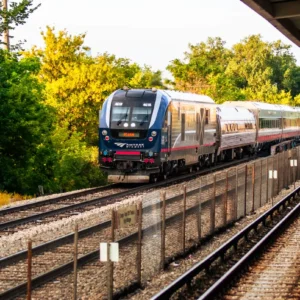
The purchase of new long-distance passenger railcars sits within a broader effort to modernize Amtrak’s rolling stock. Meanwhile, the operator continues to receive Siemens Mobility Charger ALC-42 locomotives for long-distance service. So far, 79 of the 125 units have been delivered by Siemens Mobility.
In addition, the new NextGen Acela trains manufactured by Alstom were launched last fall on the only high-speed rail corridor in the United States. Amtrak also said the new fleet of Airo trains produced by Siemens Mobility will enter service on the Amtrak Cascades route in 2026. Northeast Regional service and other short- and medium-distance routes will follow in the coming years.
News on railway transport, industry, and railway technologies from Railway Supply that you might have missed: