Russian Railways investment programme cut as profits slide
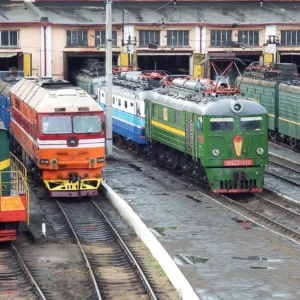
Russian Railways investment programme for 2026 has been scaled back after a sharp fall in net profit last year, as reported by International Railway Journal.

For 2026, RZD plans to spend Roubles 713.6bn ($US 9bn), which is 20% less than in 2025, and the bulk of the budget is set to go to routine maintenance and maintaining safety.
This is reported by the railway transport news portal Railway Supply.
Russian Railways investment programme in context
Put against recent years, the change is clear. In 2024, RZD invested Roubles 1.28 trillion, so the 2026 total comes in at close to half that level. The cut had been widely expected, given weaker financial performance, the company’s rising debt burden and the Russian Central Bank’s tight fiscal policy.
Don’t miss…Hangzhou Bay Cross-Sea Railway Bridge hits key tower milestone
Alexander Polikarpov, partner and co-founder of the Rolling Stock Agency think tank in Moscow, says the data available so far suggests RZD will keep rolling stock purchases to what is necessary to maintain operations. In his view, that could hit Russian wagon manufacturers hard.
RZD debt, cash shortfall and government support options
The pressure is also visible in the balance sheet. RZD is described as the Russian economy’s third-largest debtor, with net debt estimated at close to Roubles 2.8 trillion. In December, the company requested emergency government assistance of Roubles 200bn to cover a cash shortfall at its operating businesses.
Several government support options are reportedly being considered, including raising freight tariffs, changing tax payments and using funds from the National Welfare Fund to provide direct assistance; similar budget and support discussions have also been covered by Reuters.
According to the Russian outlet Lenta, officials also discussed converting Roubles 400bn of RZD debt into shares for purchase by the country’s largest state-owned bank. Lenta reported that the idea was later abandoned after resistance from the Russian Central Bank, which warned of significant risks to the national economy.
Federal Freight Company (FGC) sale and tariff risks
Another approach raised in the discussion is the possible sale of Federal Freight Company (FGC), RZD’s largest freight operating subsidiary. FGC manages 134,300 items of rolling stock.
At the same time, policymakers appear cautious that any remedy could backfire. A rise in railway tariffs, for example, could inflict additional damage on shippers, and particularly the coal industry, which is already reeling from the economic impact of sanctions imposed following Russia’s invasion of Ukraine; Railway Supply has also discussed Russian Railways freight tariff changes in the context of investment pressures.
News on railway transport, industry, and railway technologies from Railway Supply that you might have missed: