Renfe Tests 1,000 Litres of HVO Fuel on Tourist Train
25.07.2026
Renfe tests HVO fuel on its Costa Verde tourist train, using 1,000 litres of Repsol’s Nexa renewable diesel in a Class 619 locomotive under real operating conditions.
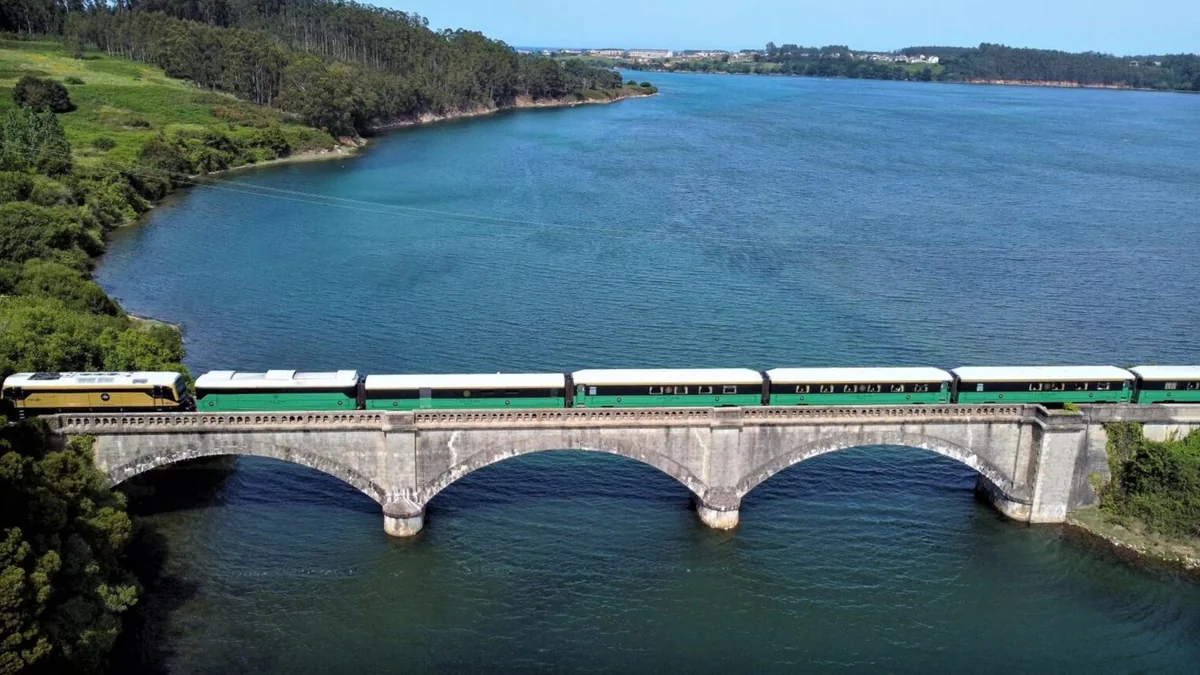
Class 619 locomotive prepared for the HVO trial
Renfe and Repsol completed the trial as their first passenger-service application under a broader cooperation protocol for renewable fuels on non-electrified lines. In an announcement published on 22 July 2026, the operator said it first provided Repsol with technical information about the locomotive and the engines used for the train’s generators.
At the El Berrón maintenance depot in Asturias, Renfe completely drained conventional diesel from the Class 619 locomotive. Repsol then delivered 1,000 litres of HVO free of charge, allowing the locomotive to be refuelled entirely with renewable diesel.
The test confirmed that the locomotive operated correctly under real operating conditions. This establishes technical compatibility for the tested equipment, but Renfe did not report measured emissions, fuel consumption, test duration or a timetable for wider fleet deployment.
Don’t miss…RailTel Wins ₹32.74 Crore Signalling Order for 14 Stations
How HVO differs from conventional diesel?
HVO stands for Hydrotreated Vegetable Oil, a renewable fuel made by hydrogenating suitable feedstocks. Repsol says its HVO product is made from organic waste, including used vegetable oils and animal fats, and can reduce lifecycle carbon dioxide emissions by up to 90% compared with mineral diesel.
That figure is a general product estimate rather than a measured result from the Costa Verde test. For Renfe, the immediate operational finding is that HVO can serve as an alternative to conventional diesel for existing rolling stock on routes without electrified traction infrastructure.
Renfe links the test to its decarbonisation plan
Renewable electricity remains the core of Renfe’s decarbonisation strategy on electrified lines. In 2025, 94% of Renfe Viajeros’ transport demand was met by journeys with no greenhouse gas emissions from traction energy.
The HVO trial forms part of Renfe’s Sustainability Master Plan, approved in 2024. The operator’s decarbonisation plan foresees eliminating fossil diesel traction fuel in 2030 and reaching carbon neutrality across its facilities and operations by 2040. The Costa Verde result is an evaluation step toward those targets, not an announcement of a fleet-wide fuel switch.
News on railway transport, industry, and railway technologies from Railway Supply that you might have missed: