Wagga Mothers Bridge Span Installed Over Rail Corridor
25.07.2026
The new Wagga Mothers Bridge span was lowered into position over the city’s rail corridor, advancing work to accommodate double-stacked Inland Rail freight trains through Wagga.
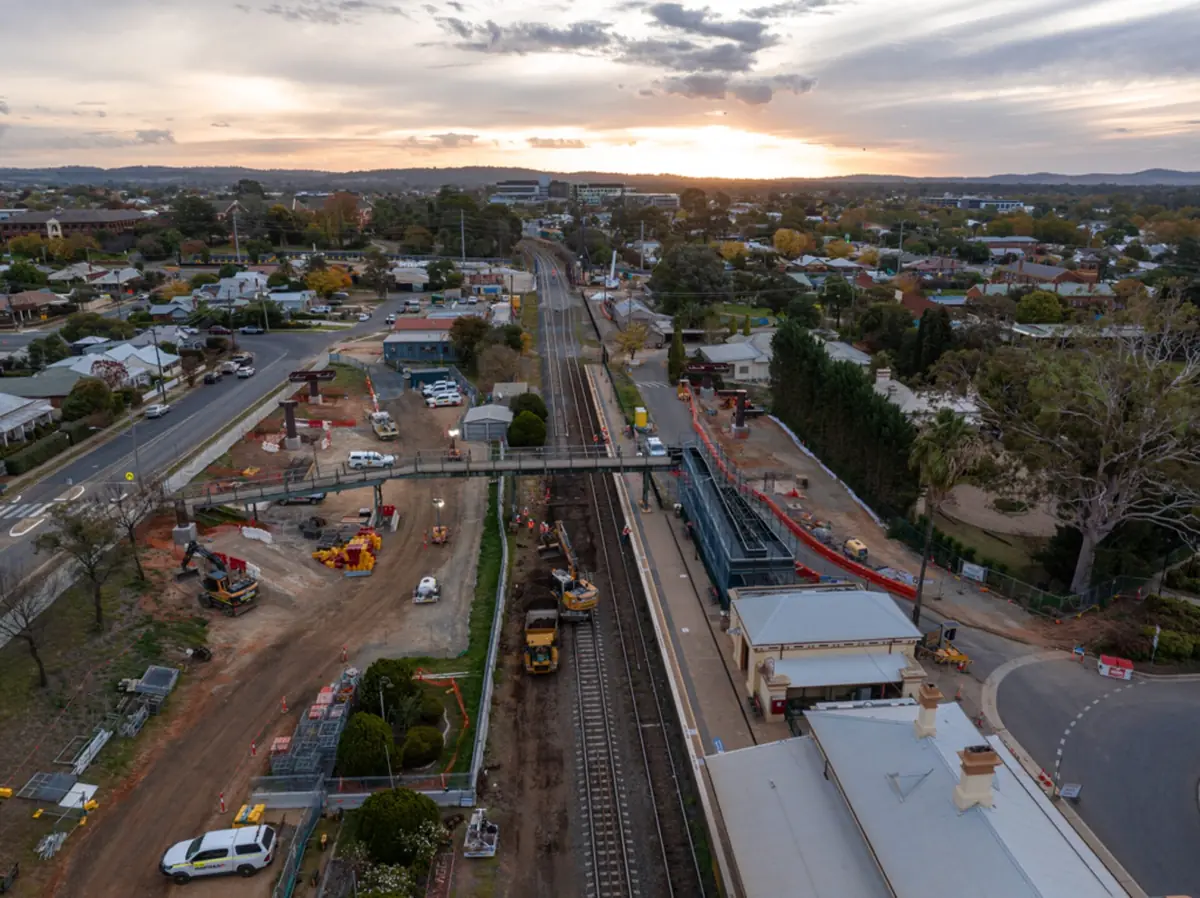
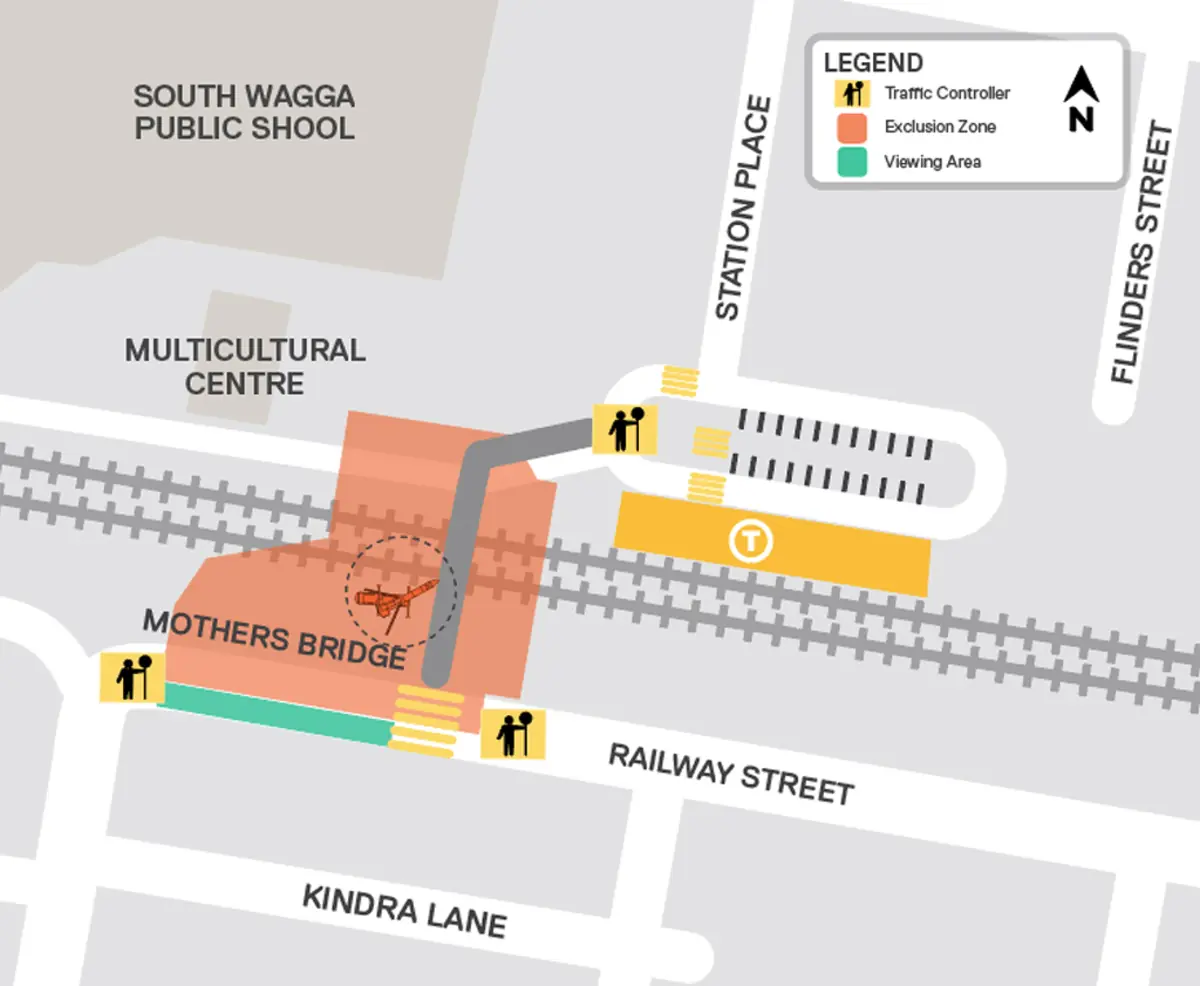
At about 5pm on Thursday, July 23, 2026, a crane placed the span onto newly built supports beside Wagga Wagga railway station as local residents watched. The installation created the main structure of a replacement pedestrian crossing between Station Place and Railway Street.
The existing footbridge, which has served the community for nearly a century, remains in place for now. Inland Rail plans to close and dismantle it only after the new bridge has opened and become operational.
Don’t miss…Siemens Delivers 2,000th Vectron Locomotive to ÖBB
Higher bridge and accessible approaches still to come
The official works notice says the replacement will sit higher than the existing structure. That additional clearance is part of the Wagga corridor changes required for double-stacked freight trains.
Crews will now complete more accessible pedestrian ramps on both sides, staircases, anti-throw screens and upgraded handrails. Inland Rail is aiming to finish construction by the end of 2026.
Gavin Murphy, general manager for major projects at Martinus, said the operation required close coordination between Inland Rail, delivery partners and stakeholders.
“By working closely with Inland Rail, our delivery partners and key stakeholders, we’ve been able to carefully co-ordinate a complex lift that prioritises the safety of our workforce, rail operations and the Wagga Wagga community,” Murphy said.
Span forms part of a 185km corridor upgrade
The Wagga works are part of the Albury to Illabo section, which covers approximately 185km of existing railway between the Victoria–New South Wales border and Illabo. Martinus Rail is Inland Rail’s construction partner for the section.
The wider programme is modifying tracks, footbridges, road bridges, overhead structures, signal structures and level crossings to provide the height and width required for double-stacked freight trains. Work across the section is currently in detailed design, early works and construction.
News on railway transport, industry, and railway technologies from Railway Supply that you might have missed: