DART Wins $70 Million FTA Grant to Replace 53 Light Rail Vehicles
Dallas Area Rapid Transit has been awarded $70,013,000 by the US Federal Transit Administration to replace the 53 oldest light rail vehicles in its fleet, cars the agency originally bought in 1995 and 1997.
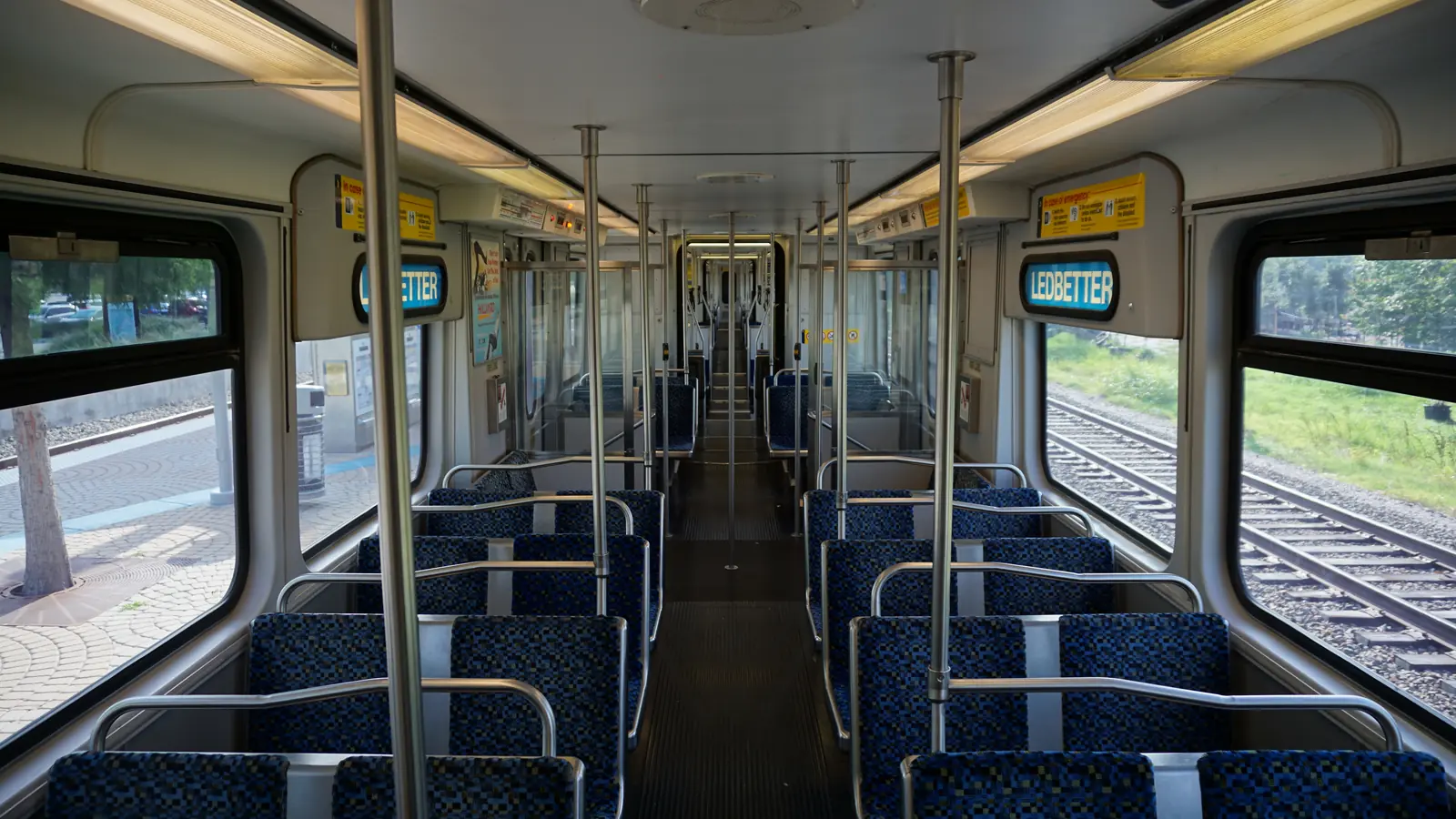
The award is the largest single share of a $166,050,322 package that the Federal Transit Administration announced on 3 September 2026 under its Rail Vehicle Replacement Grants programme. DART took just over 42 per cent of the money; the remaining two awards went to Pennsylvania operators. The FTA says one-third of subway and commuter rail vehicles in the United States are more than 25 years old, and links the ageing fleet to delays, higher maintenance costs and customer dissatisfaction.
| Recipient | What the grant covers | Award, US$ |
|---|---|---|
| Port Authority of Allegheny County (Pittsburgh Regional Transit) | 45 new vehicles of approximately 170 ft, replacing 76 vehicles of 85 ft | 82,774,074 |
| Dallas Area Rapid Transit | DART’s oldest fleet of 53 light rail vehicles, originally purchased in 1995 and 1997 | 70,013,000 |
| Southeastern Pennsylvania Transportation Authority | 50-year-old Silverliner IV commuter electric multiple unit railcars on the Regional Rail system | 13,263,248 |
| Total | Three projects | 166,050,322 |
Source: Federal Transit Administration, Fiscal Year 2026 Rail Vehicle Replacement Program project selections.
What the federal money can and cannot cover
The Rail Vehicle Replacement Grants programme is a competitive set-aside of the Section 5337 State of Good Repair formula funds, and it carries a double ceiling. The federal share of a project may not exceed 80 per cent of net project cost, and the portion drawn from this particular programme may not exceed 50 per cent. Funded rolling stock must already sit in the recipient’s transit asset management plan. DART has not published a total cost for its vehicle programme, so the size of the local share behind the $70 million is not yet public.
The order behind the 53 cars
The 53 vehicles named in the grant are one slice of a much larger procurement. In a briefing to its Committee-of-the-Whole in September 2025, DART set out a plan to place a base order for 77 vehicles with options on a further 68, moving the light rail fleet to 145 cars. The same briefing put acceptance of a pilot vehicle in the second quarter of 2029 and receipt of the full base order in the third quarter of 2033.
| Stage | Timing |
|---|---|
| Customer experience focus groups and surveys | May 2023 – July 2023 |
| Specification development | May 2024 – August 2024 |
| Request for information | August 2024 – December 2024 |
| Specification finalised | February 2025 |
| RFP development and preparation | February 2025 – October 2025 |
| Procurement process | October 2025 – October 2026 |
| Pilot vehicle acceptance | Q2 2029 |
| Full base order received | Q3 2033 |
The same document names Alstom, Kinki Sharyo, CAF, Siemens and Stadler as potential proposers of standard light rail vehicles, and describes a specification built around level boarding at all doors, an interior with end-to-end visibility, upgraded on-board cameras with remote access and integration into DART’s digital asset management system.
Platforms have to change too
New vehicles on their own do not deliver level boarding. DART committed to the FTA in 2004 to move to level boarding at all doors by 2030 in order to stay compliant with accessibility rules, and the platform side is being funded separately. In July 2026 the agency was awarded $25 million by the US Department of Transportation to remove centre crosswalks and level the platforms at eight Southern Dallas stations on the Red and Blue lines, together with wayfinding signage and security upgrades. That work is due to begin in early 2027 and run in phases to 2030.
Fleet replacement is one of five elements of DART Transform, the agency’s 10-year modernisation programme. The others cover signalling on the oldest lines, stations and passenger facilities, operating facilities adapted to maintain the new vehicles, and resilience during extreme weather.


