ÖBB 4020 series retirement closes Vienna S-Bahn era
08.07.2026
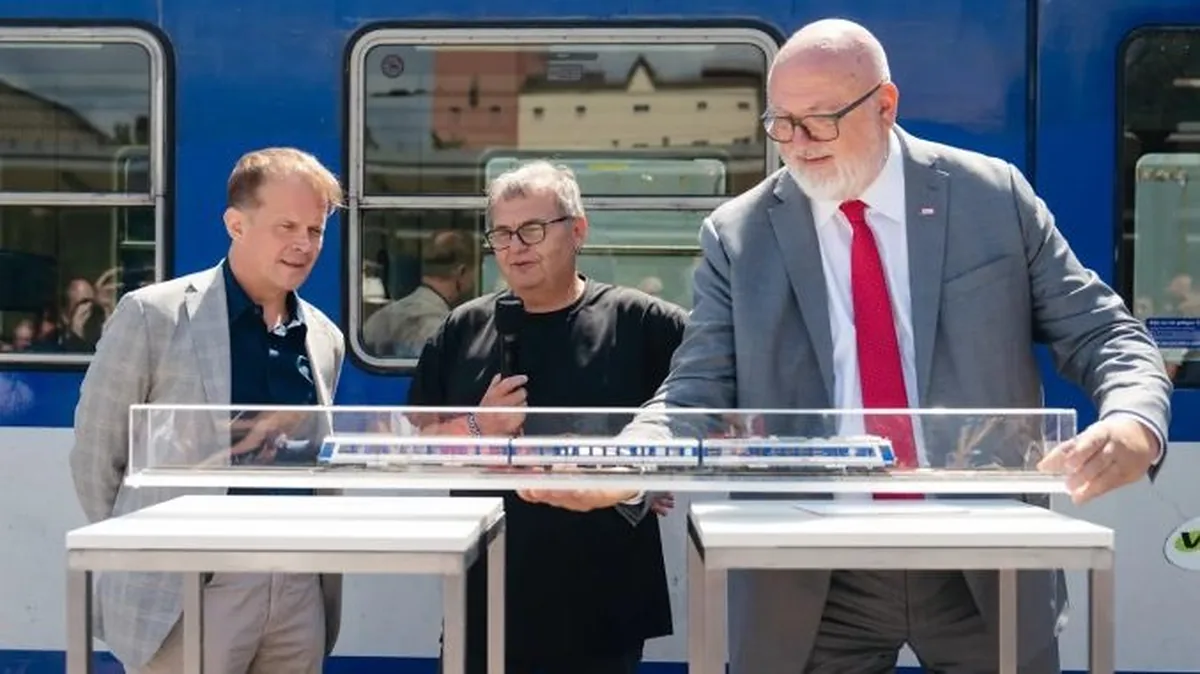
The ÖBB 4020 series retirement has brought nearly five decades of operation to an end for one of Austria’s best-known commuter trains. The final journey took place on the Franz-Josefs-Bahn, closing a long chapter for the Vienna S-Bahn and for many commuters who used these trains in everyday travel.
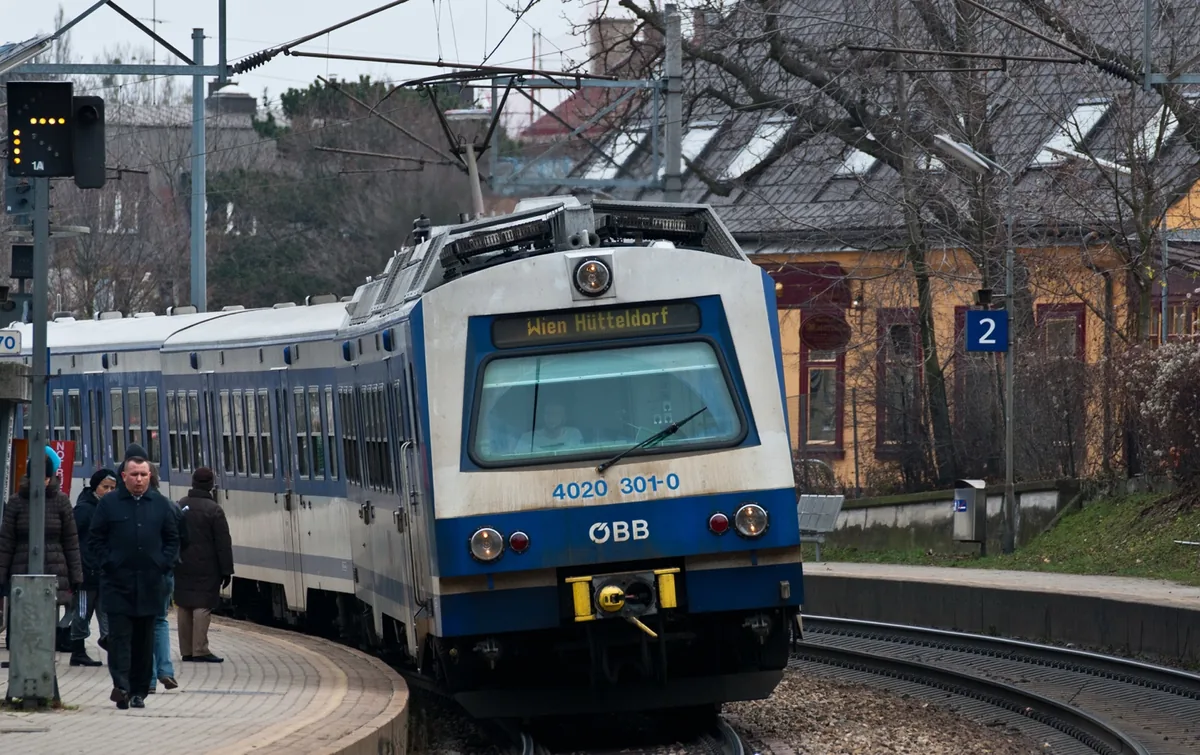
Austria’s state-owned railway operator arranged a dedicated farewell trip for the 4020 series trains, one of the best-known electric multiple units in the country’s commuter rail network.
The final service day was held on the Franz-Josefs-Bahn, which connects Vienna with northwestern Austria. For ÖBB, withdrawing the 4020 units from service is more than a rolling stock change. It also marks the end of a familiar part of daily rail history.
Andreas Matthä, CEO of ÖBB Holding, said:
“For decades, the 4020 series has been a faithful companion to millions of passengers. With its retirement, we’re not just saying goodbye to a train, but to a part of our everyday history, and we’re saying thank you for nearly 50 years of reliability,”
Don’t miss…NYC subway accessibility upgrades cover five stations
ÖBB 4020 series retirement
The 4020 series entered service in the late 1970s and soon became closely associated with suburban transport around Vienna.
Over 48 years, these multiple units carried generations of passengers and helped shape the look of the Vienna S-Bahn, the suburban rail system serving Austria’s capital.
A total of 120 trains from the series were built and introduced into service. ÖBB said that each 4020 unit covered around 4.8 million kilometers on average during its operational life, roughly equal to circling the Earth about 120 times.
For passengers in Vienna and eastern Austria, the 4020 series was part of routine travel, whether for commuting to work, going to school or university, or reaching long-distance rail connections.
Cityjet Doppelstock trains enter service
The withdrawal of the 4020 series is taking place alongside the arrival of the new Cityjet Doppelstock fleet. These double-decker trains represent the next stage for regional and suburban services in eastern Austria.
The new trains began operating in the eastern region in June. They are designed to provide more capacity, improved comfort, and better accessibility for passengers.
Cityjet Doppelstock trains include multifunctional areas for bicycles, strollers, and luggage. They also feature barrier-free access zones intended to make boarding and alighting faster.
Andreas Matthä also said:
“At the same time, with the new Cityjet Doppelstock trains, we are ushering in a new era of regional transportation in eastern Austria,”
New trains on the Wiener Stammstrecke
The first Cityjet Doppelstock units are being deployed mainly on the north–south corridor, one of the busiest rail corridors in the Vienna area.
This route includes the Wiener Stammstrecke, the central trunk section of the Vienna S-Bahn. For decades, that part of the network was strongly linked with the 4020 series.
With the introduction of double-decker trains, ÖBB aims to add capacity on heavily used lines and update the passenger experience on commuter routes.
The 4020 series is therefore leaving service as a new generation of trains takes over its role in eastern Austria’s suburban transport system. The replacement fleet is adapted to current expectations for comfort, accessibility, and passenger capacity.
The replacement of the 4020 series is part of a wider fleet renewal in eastern Austria. ÖBB says it is investing around €1.5 billion in 109 Cityjet Doppelstock trains, while the broader investment programme covers about 330 new trains by 2030. The first new double-decker trains are being introduced on the Wien – Payerbach/Reichenau route, with the north–south axis set as their main operating area in the eastern region. (presse-oebb.at)
The end of an everyday train era
For the rail industry, retiring a train series after nearly 50 years is a technical milestone. For passengers, however, the change also has a personal dimension.
The 4020 series was not known as a high-speed or prestige train. Its importance came from everyday use. Repeated journeys over many years made these units a recognizable symbol of public transport in Vienna.
Through the farewell run, ÖBB has marked the close of a period that began in the late 1970s. The transition now continues toward a more modern suburban fleet for the Austrian capital region, with double-decker trains and higher capacity taking the place of the long-serving 4020 units.
News on railway transport, industry, and railway technologies from Railway Supply that you might have missed: