NYC MetroCard retirement: the last cards made in Queens
22.12.2025
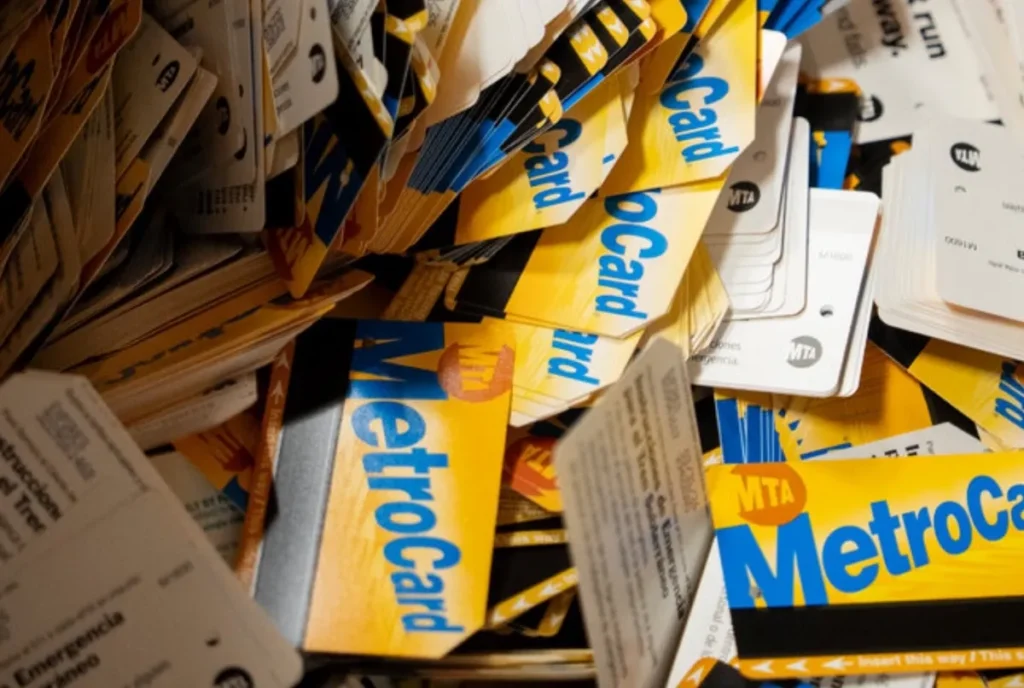
NYC MetroCard retirement is down to its last stretch inside a gated Queens compound, where armed guards and close supervision surround the final batches of the yellow plastic fare card.
This is reported by the railway transport news portal Railway Supply.
Workers in lab coats are still encoding cards with millions of dollars in fares ahead of the midnight Dec. 31 cutoff, as laid out in an MTA press release on the MetroCard sales cutoff and balance transfers.
Inside the MetroCard production facility in Queens
The MetroCard production facility in Queens is in Maspeth, a restricted site where the Metropolitan Transportation Authority (MTA) encodes and packs fare cards—and where it also counts and sorts cash and coins from across its subway and bus network. By the end of the year, a total of 3.2 billion cards will have moved through this operation.
Don’t miss…Trump administration restrictions on Mexican train crews
“They’re basically born here,” said Myron McDaniel, the production facility manager who has worked on the card since its first limited run in 1993, when MetroCards began replacing the subway token. He added that, like many New Yorkers, the cards can be seen as transplants: a large share were printed at a factory in the United Kingdom before being encoded for local use.
In July, two Times reporters visited the climate-controlled, heavily surveilled room where machines can encode up to three cards per second. “That puts the secret sauce on the card,” said Michael Ellinas, a senior vice president in the Revenue Control department, speaking over the equipment’s fast, percussive clatter.
As card stock runs along a conveyor belt, each piece is stamped with an expiration date plus batch and serial numbers that function like a fingerprint. The magnetic strip—swiped at turnstiles or dipped on buses—is then programmed for a set number of fares or a defined period of time.
“MetroCards are like money,” said Karen Burnett, a cashier overseeing an order of seven-day unlimited passes. She pointed to a single run of 5,000 cards worth $34 each—$170,000 in product headed to bodegas, newsstands and other small retailers that sell them to commuters. For anyone who has ever wondered where NYC MetroCards are made, this guarded room is where the final value is literally put onto the card.
How the NYC MetroCard retirement is being managed?
At its peak, the MetroCard operation ran two shifts, encoding cards 16 hours a day and producing about 180 million a year. Production dropped in 2013 after the MTA introduced a $1 fee for new cards, falling by nearly half.
Burnett said the facility produced about 50 different versions over time, including half-price, student and transit employee variations. Armored trucks shipped millions of dollars’ worth of MetroCards across the city as the system supplied a wide network of sellers.
That network has been thinning as the end approaches. There were once more than 3,000 stores selling individually wrapped MetroCards, and some outlets moved more than $1 million in cards each year. New retail orders ended this fall.
To keep up when demand was higher, the plant used a “pick and pack” process—a modified version of a machine designed to wrap peanuts—that could process 5,000 cards an hour, McDaniel said.
The same site also encoded cards for MetroCard vending machines across the region. The system once filled more than 2,300 machines; by mid-December, 16 vending machines remained.
OMNY tap-and-go system and what comes next
The shift is already far along: more than 90 percent of subway and bus trips are now paid using the OMNY tap-and-go system, which works with a wave of a mobile phone or card. The MTA has said OMNY, which debuted in 2019, could save the authority at least $20 million a year in costs tied to MetroCard production and distribution—a point also reflected in Railway Supply coverage of the MetroCard-to-OMNY transition.
After sales stop on Dec. 31, riders can keep using whatever balance remains on their MetroCards next year, or transfer the value to an OMNY account; the steps are described in the official OMNY FAQ on transferring MetroCard balance. Even as daily use fades, the MetroCard is expected to live on as a collectible—the MTA printed more than 400 special runs, including collaborations tied to celebrities and musicians like the Notorious B.I.G., TV shows such as “Seinfeld” and “Game of Thrones,” and even a less celebrated ad campaign for a local proctologist (listed for $13 on eBay).
For the 15-member team that will ship the last card later this month, the send-off is both practical and personal. The sprawling room is expected to be repurposed and start to resemble an Amazon warehouse, as workers shift toward packing and shipping OMNY cards, which do not require the same intensive encoding process. Still, as the NYC MetroCard retirement becomes history, Ellinas said there is no harm in feeling wistful: “It’s going to be a question on ‘Jeopardy!’ now.”
News on railway transport, industry, and railway technologies from Railway Supply that you might have missed: