NSW Budget rail investment backs Sydney rail works
24.06.2026
NSW Budget rail investment has been welcomed by the Australasian Railway Association, with funding covering light rail, network reliability, station works, planning and metro expansion.

The Budget includes $2.4 billion for Parramatta Light Rail Stage 2 and $2.1 billion for measures aimed at improving reliability and incident response across the Sydney Trains network.
Other allocations cover $30.9 million for Woollahra train station and $100 million, jointly provided with the Federal Government, for rail planning and future business case work in south west Sydney. The Budget also provides $4.5 billion for continuing Sydney Metro expansion works in 2026-27.
Opal fares for public transport will also remain at 2025 levels for the next year under the wider Transport Affordability Package.
NSW Budget rail investment for Sydney transport
ARA Chief Executive Officer Caroline Wilkie said the association had called for more funding for the existing rail network, alongside new infrastructure needed in Sydney’s fastest-growing areas.
“The ARA welcomes this recognition of the importance of ongoing maintenance funding, complemented by investment in new projects, to support the productivity and efficiency of the New South Wales network,”
Wilkie said the funding for Parramatta Light Rail Stage 2 would support urban renewal and growth as the line is extended from Parramatta CBD to Sydney Olympic Park.
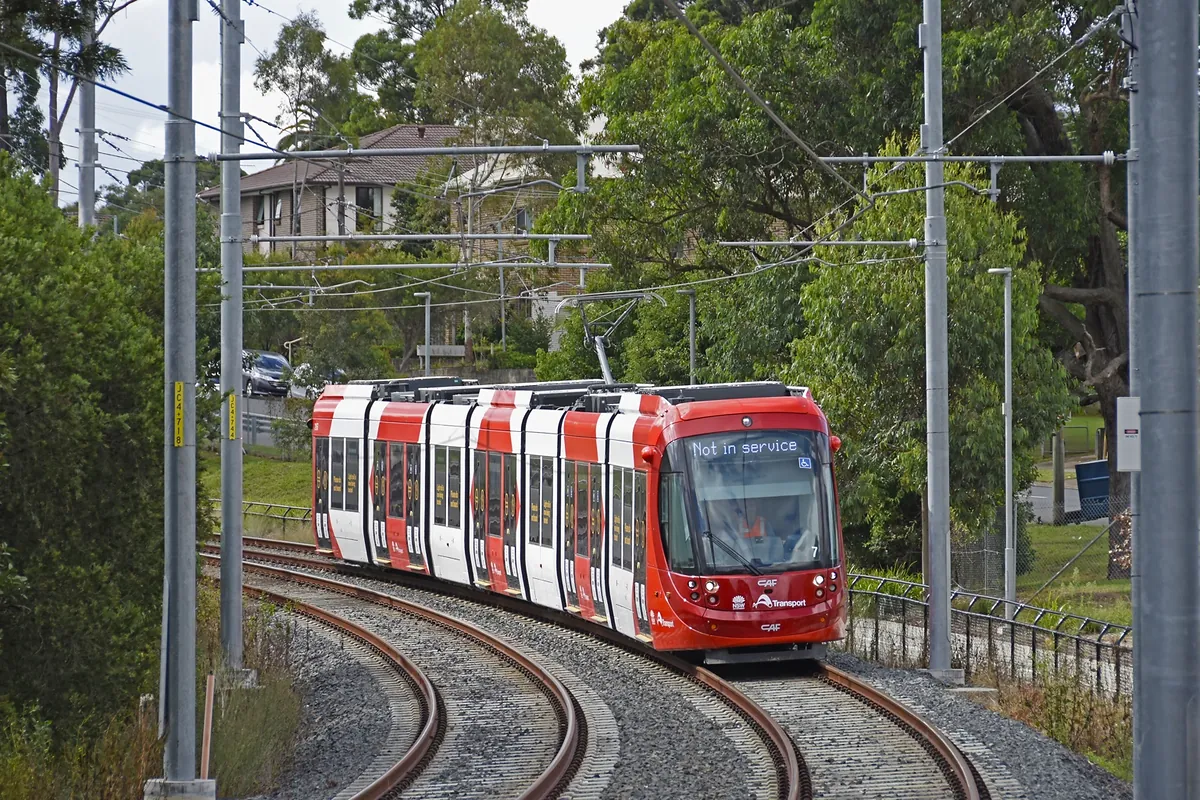
“The budget’s funding for Parramatta Light Rail Stage 2 will deliver important opportunities for urban renewal and growth as it extends the line from the Parramatta CBD to Sydney Olympic Park.
Light rail projects like this do not just improve access and liveability but are significant drivers of housing and commercial development to support the growth of the community.
This continued investment in Parramatta Light Rail will have a lasting and positive impact on western Sydney.”
Rail Reliability Plan and network works
The ARA also welcomed confirmation of the $2.1 billion Rail Reliability Plan. The plan includes an additional $200 million for network maintenance compared with last year, as well as $150 million over four years for improvements at the Rail Operations Centre, including better incident response and passenger support.
The package also includes more train drivers and guards on intercity services, with the aim of improving reliability for passengers travelling between Sydney, the Illawarra, the Central Coast, Newcastle, the Blue Mountains and other destinations.
Track, power and signalling works are also part of the plan.
The reliability funding includes a previously announced $425 million four-year asset renewal program focused on track, signals, overhead wiring and drainage in critical areas. It also includes a $35 million reliability program intended to accelerate repairs in high-priority locations.
Wilkie said continued spending on the current network remained important for rail operations.
“Continued investment in the existing network is absolutely vital to ensure rail operations are as productive and efficient as possible,” Wilkie said.
What changes for passengers?
For passengers, the Budget measures combine network reliability, fare stability and a future light rail link in western Sydney. NSW Government project material says Parramatta Light Rail Stage 2 is planned with 14 stops over 10km of two-way track, with trips of around 31 minutes from Camellia to the Carter Street Precinct via Sydney Olympic Park and a further seven minutes to Parramatta CBD. It is also planned to connect with Sydney Metro West, heavy rail and ferry services. The wider Budget package keeps Opal fares at 2025 prices for a year for around 400,000 daily users, while the Rail Reliability Plan targets a Sydney Trains network carrying just over a million people each weekday.