North Korea Studies China’s Urban Rail Operating Model
25.07.2026
North Korea railway modernisation has emerged as a possible focus after Premier Pak Thae Song examined Beijing’s metro control systems during an official visit to China.
Beijing visit focuses on metro network management
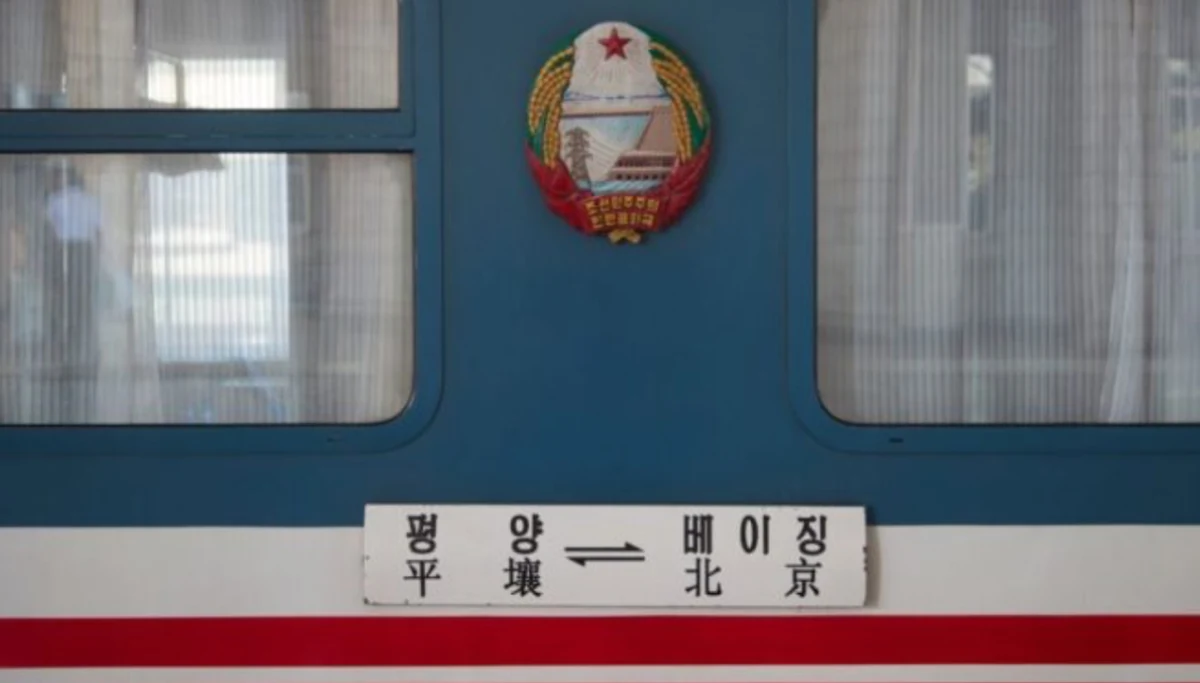
Pak visited the Beijing Metro Network Control Center on 12 July, the final day of his 10–12 July trip. An official Chinese photo report confirms the stop, while Xinhua’s visit notice says the journey was arranged around the 65th anniversary of the China-DPRK Treaty of Friendship, Cooperation and Mutual Assistance.
Chinese television footage reported that Pak sought explanations of how Beijing designs its urban rail network and manages transfers between lines. The capital’s urban rail system extends for nearly 1,000 km, providing a large operating network for the delegation to examine.
Pak also met Chinese President Xi Jinping and Premier Li Qiang. Official statements referred broadly to stronger exchanges and cooperation, but they did not announce a railway project, rolling-stock order, funding package or implementation timetable.
Don’t miss…BNSF Says UP–CN Deal Weakens Case for UP–NS Merger
Ageing infrastructure shapes North Korea’s interest
North Korea’s rail infrastructure was largely rebuilt after the Korean War with assistance from China and other socialist states, but subsequent investment and modernisation have remained limited. Russian Railways representatives said in 2015 that the network did not meet modern standards.
A separate idea examined by China and South Korea in 2018 involved a rail link through the North Korean border city of Sinuiju. That initiative stalled after relations between Seoul and Pyongyang deteriorated.
Pyongyang’s two-line metro opened in 1973. North Korea has since introduced domestically manufactured trains, yet former Berlin U-Bahn vehicles acquired in the late 1990s still account for a substantial share of service. They replaced part of the Chinese DK4 fleet used from the system’s early years.
Sanctions restrict physical technology transfers
The UN Security Council’s DPRK sanctions overview states that member states must prohibit supplies of industrial machinery and transportation vehicles under paragraph 7 of Resolution 2397. The covered transport categories include railway rolling stock and related equipment, creating a clear obstacle to a conventional train or component delivery.
The Beijing visit therefore points most clearly to interest in network planning, traffic control and passenger interchange practices. No public evidence currently establishes a contract, technology-transfer agreement or confirmed North Korean modernisation programme.
News on railway transport, industry, and railway technologies from Railway Supply that you might have missed: