BNSF Says UP–CN Deal Weakens Case for UP–NS Merger
25.07.2026
BNSF says Union Pacific’s agreements with Canadian National show that new routes and market access can be created through partnerships, weakening the stated case for the proposed UP–Norfolk Southern merger.
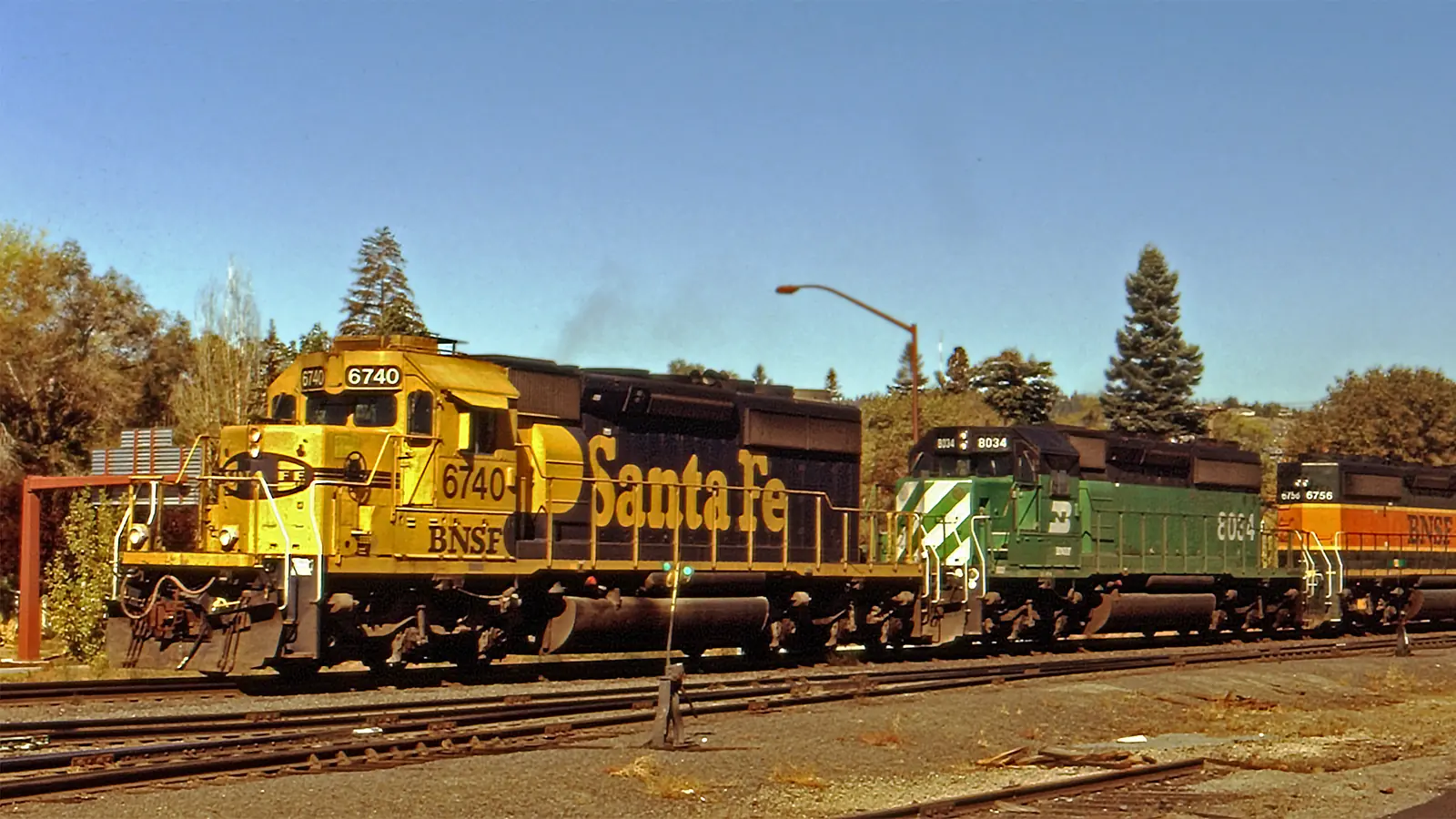
In a July 24 customer letter, BNSF Executive Vice President and Chief Marketing Officer Tom G. Williams said the announcements do not change the competitive concerns raised since the merger was proposed.
BNSF argued that Union Pacific had spent more than a year contending that partnerships could not deliver the service, capacity and market-access improvements attributed to the merger. In its view, the CN agreements demonstrate that railroads can provide those benefits through commercial cooperation.
“If many of the claimed benefits can and will be achieved through commercial agreements today, why is a merger necessary to deliver them?”
BNSF points to benefits available without a merger
The first binding memorandum between Union Pacific and CN is not contingent on approval of the UP–NS transaction. It gives CN rights over the UP network between Memphis, Tennessee, and Eagle Pass, Texas, supporting Canada–Mexico freight, while UP receives expanded rights over CN’s Elgin, Joliet & Eastern corridor around Chicago.
The arrangement applies to freight moving between Canada and Mexico and excludes U.S. origins and destinations. According to operational details provided by the two railroads’ chief executives, UP will initially handle CN traffic under haulage rights; those rights can become trackage rights if volume eventually supports CN operating its own trains.
CN and Ferromex plan to market the cross-border service jointly. Union Pacific also expects initially to move one to three trains per day over the EJ&E, avoiding central Chicago congestion. The companies aim to start the operating arrangement in 2026, and it is not subject to Surface Transportation Board review.
For BNSF, the independent status of this agreement is the central contradiction: route access and operating improvements can begin without a corporate merger.
Don’t miss…Washington Union Station Overhaul Gets New $24M Plan
Conditional settlement addresses CN’s own concerns
The second UP–CN settlement framework would take effect only if the STB approves and the parties close the UP–NS merger.
CN would gain access to facilities where Class I options fall from two railroads to one or from three to two, where commercially and operationally feasible. It would acquire Norfolk Southern’s interests in the Kansas City Terminal Railway and Terminal Railroad Association of St. Louis.
The settlement also provides rights between Tuscola and East St. Louis, Illinois, and between St. Louis and Kansas City, Missouri, including use of UP’s Neff Yard. In exchange, CN will not oppose the merger.
Those concessions address CN’s network and terminal interests. BNSF maintains that they do not remove the broader concern that the combined railroad would control approximately half of the U.S. freight rail market and leave some customers with fewer competitive options.
BNSF calls for rigorous STB review
BNSF linked its argument to a July 23 letter from Senator Cory Booker and 22 Senate colleagues, which asked regulators to examine effects on competition, workers, safety, customers and consumers.
The STB proceeding in docket FD 36873 remains in abeyance while Union Pacific and Norfolk Southern provide supplemental information due July 27. BNSF is encouraging customers to participate and explain how the proposed transaction could affect competition, service reliability and future shipping options.
That distinction is central to BNSF’s argument: the Canada–Mexico and Chicago operating arrangement may proceed independently, while CN’s Kansas City access and support for the merger remain conditional.
News on railway transport, industry, and railway technologies from Railway Supply that you might have missed:



