New York Studies Thermal Network for 96°F Subway Platforms
USA: New York City and the MTA will study whether a thermal energy network can cool Lower Manhattan subway platforms where average temperatures reached 96°F in summer 2025 while storing excess heat for winter use.
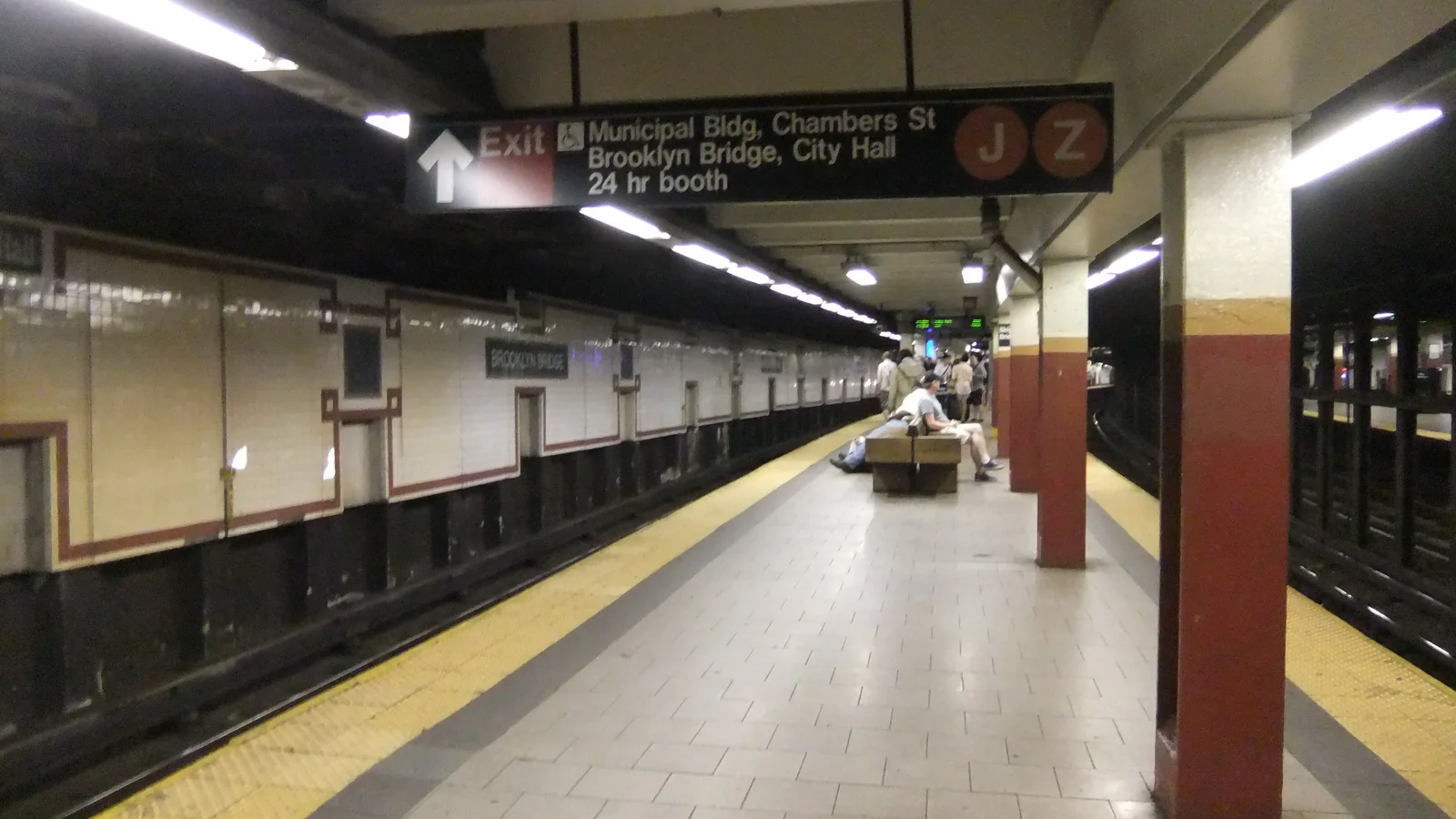
The feasibility study covers the Brooklyn Bridge–City Hall 4/5/6 and Chambers Street J/Z station complex. Brooklyn Bridge–City Hall is one of the hottest stations in the subway system, and the study is intended to determine how much cooling can actually be achieved and what energy-cost savings may be possible for the City.
The Study Has No Published Cooling Target Yet
The announcement does not set a target temperature reduction. Instead, the feasibility work will establish the achievable cooling level, which means the project should not yet be described as a system that will lower platforms by a specific number of degrees.
The City says radiant cooling can be 25% to 35% more energy efficient than traditional air conditioning. That figure describes the technology in general, not the expected performance of the proposed subway installation. The MTA also notes that cooling a century-old system is difficult because stations have open entrances and vents; heat from trains dwelling at the 6 line terminal adds to conditions at Brooklyn Bridge–City Hall.
Don’t miss…DP World completes first Zeebrugge–Aiud vehicle rail move
Radiant Cooling Would Move Platform Heat Underground
The proposed system would circulate chilled water through panels on walls and ceilings or through tubing embedded in floors, creating cooler surfaces that absorb heat directly. Pipes would then transfer that heat toward geothermal boreholes beneath the abandoned center platform at Chambers Street.
At the announcement, Mayor Zohran Mamdani said the boreholes under consideration could extend about 500 to 600 feet underground. The abandoned platform gives the MTA a place to examine the technology without using an active passenger area.
NYSERDA describes thermal energy networks as pipe networks that connect buildings with thermal sources and sinks such as geothermal energy and waste heat. In this proposal, the subway complex would act as a heat source during hot periods, with excess thermal energy stored underground and potentially reused later.
Stored Heat Could Be Reused During Colder Months
The concept is not limited to cooling platforms. Heat captured at Brooklyn Bridge–City Hall, and potentially Chambers Street, could be stored in the geothermal boreholes and redirected to nearby municipal buildings when heating is needed. The feasibility study will determine whether that exchange is technically workable and what savings could result.
The study contract is expected to be awarded in fall 2026. Design work would begin in early 2027 only if geothermal feasibility is confirmed. If the system ultimately proceeds to installation, the City says it would be the first Thermal Energy Network in a U.S. transit system.
News on railway transport, industry, and railway technologies from Railway Supply that you might have missed: