New Amtrak Cascades trains prepare for 2026 service
08.07.2026
New Amtrak Cascades trains are being prepared for service in the Pacific Northwest, with the fleet planned for routes linking Seattle, Vancouver, BC, Portland, and other cities on the I-5 corridor.
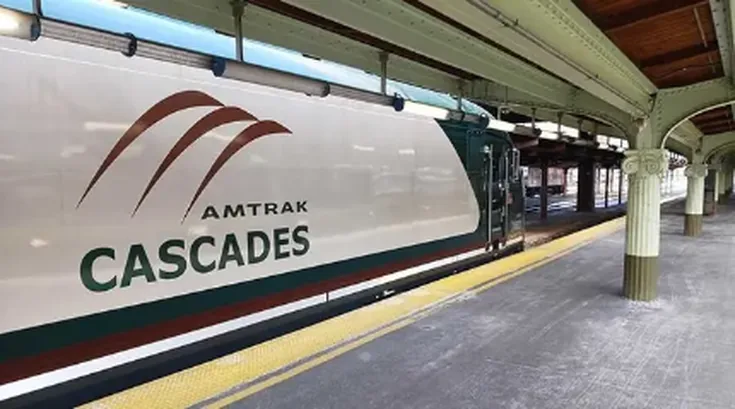
The order covers eight new trainsets, two new locomotives, and one spare cab car. As of May 2026, four of the eight Amtrak Cascades trainsets had already left the factory. The first new trainset reached Seattle on May 16, 2026. By February 2026, two trainsets and one locomotive had already left the manufacturing site.
New Amtrak Cascades trains for the I-5 corridor
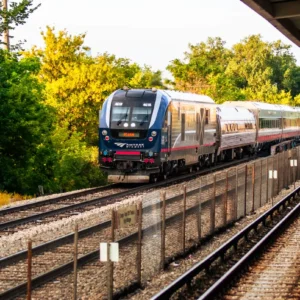
The equipment follows the Amtrak Cascades visual identity. Each trainset carries the service’s evergreen, cream, and mocha color palette, paired with a modern exterior design. The first trainset has an evergreen, mocha, and cream-colored front end, with a gold nugget accent around the windshield and the Amtrak Cascades logo positioned in the evergreen area between the headlights. Each car also includes two Cascade Range mountain graphics.
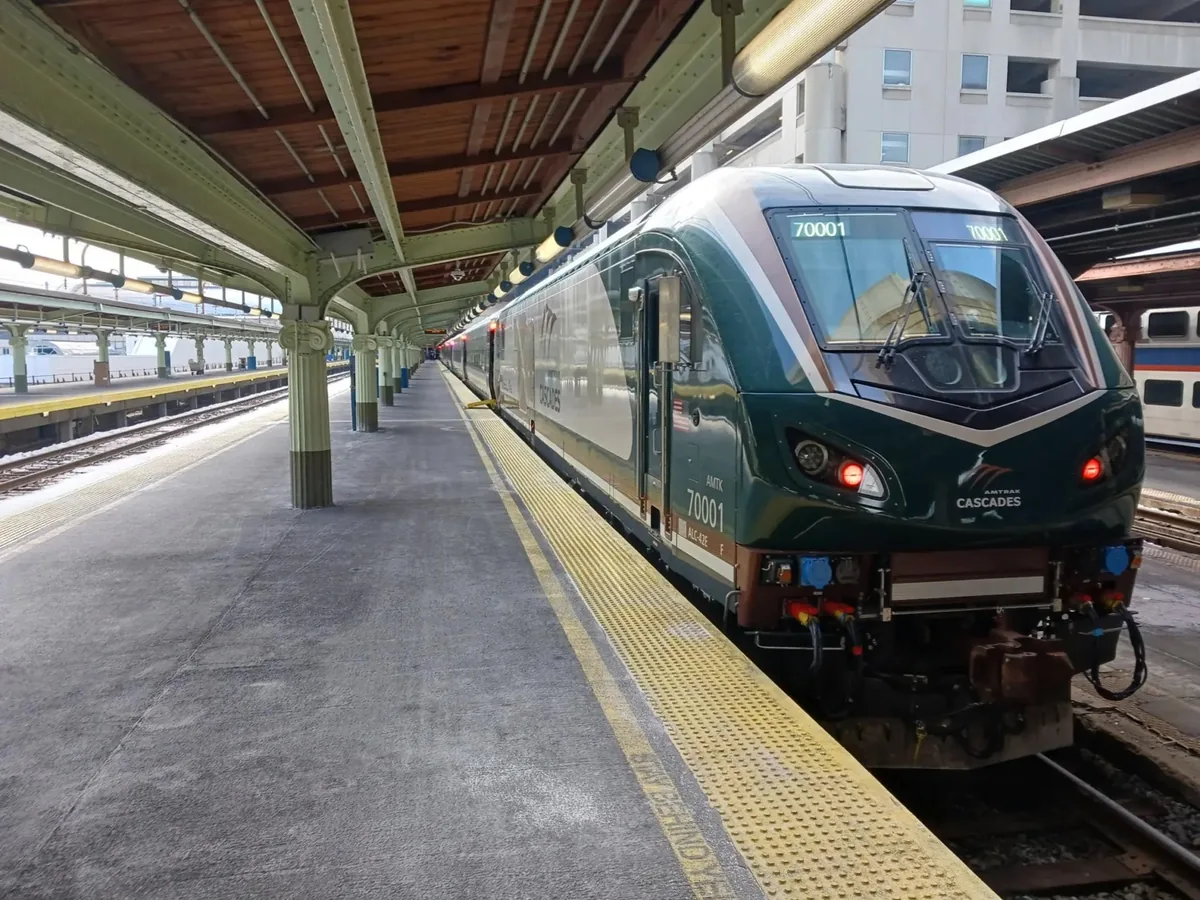
Passenger service with the new trains is planned for autumn 2026. The initial rollout will use two of the new trains while the remaining equipment continues arriving and completing required testing. Four trainsets still need to finish manufacturing before they can leave the factory, after which they must pass extensive testing.
The approval process includes checks in both simulated and real operating conditions. These reviews follow standard industry practice for new passenger rolling stock before it can enter customer service.
Testing process before passenger service
The first stage of testing was carried out at the manufacturing facility. Additional work took place at the Federal Railroad Administration Transportation Technology Center in Pueblo, Colorado. At that national testing site, checks covered braking performance, noise, vibration at different speeds, emergency equipment, safety systems, and other functions. Amtrak Cascades trainset #1 completed the testing in Pueblo successfully.
Part of the testing is conducted away from the Pacific Northwest because the process requires enough track availability to keep the schedule moving. Using track owned and managed by Amtrak helps maintain the testing timetable. Carrying out the same work on host railroad tracks, including the routes normally used by Amtrak Cascades, could create long delays because those railroads operate around the clock and do not have the same level of open capacity for concentrated testing.
Each trainset also goes through testing on the Northeast Corridor. Three trainsets were at that stage of the process. This stage includes static testing in a rail yard, when the train is stationary, and dynamic testing on an active railway, when the train is moving. Its purpose is to confirm that the train and its supporting systems operate properly at up to the maximum possible speed.
The Northeast Corridor phase also includes training and education for Amtrak staff, as the new trains are much more technologically advanced than the passenger cars they will replace.
Testing in the Pacific Northwest will follow as each trainset arrives for final checks. This phase will include onboard and mechanical staff training, simulated service, and corridor runs. Some of the work will verify that onboard safety systems can communicate correctly with trackside safety equipment and software.
Before passengers can board, crews must complete their training, and mechanical technicians must learn how to maintain the new equipment.
Don’t miss…NextGen Acela Fleet Expands to 32 Weekday Trips
Passenger comfort and onboard features
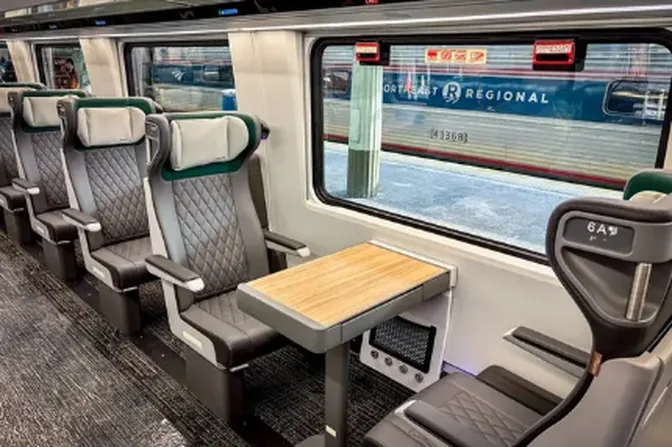
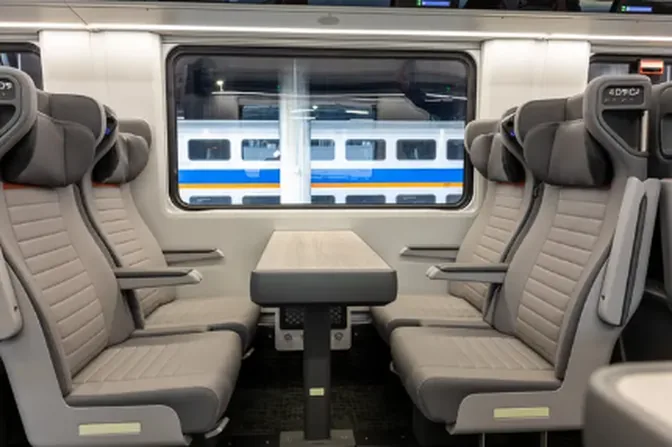
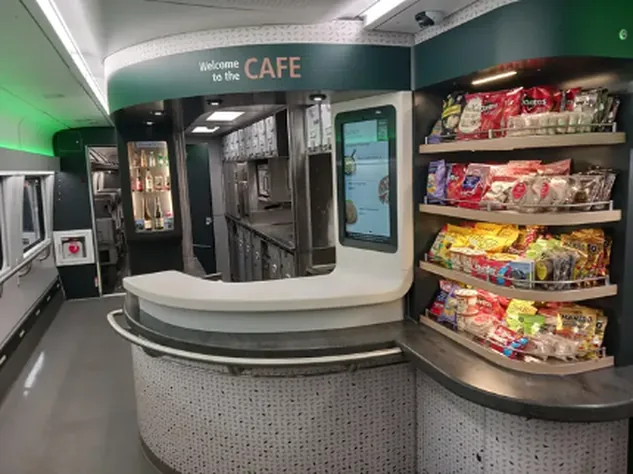
The new Amtrak Cascades trains were unveiled at an event in Washington, DC, on February 10, 2026. The fleet is designed around passenger comfort, improved reliability, modern connectivity, and a consistent travel experience. The trains will modernize train travel and expand capacity. They will offer panoramic windows for viewing Pacific Northwest scenery, 300 seats per train including wheelchair spaces, a redesigned Café Car, comfortable seats with movable headrests, individual power outlets, USB ports, free onboard Wi-Fi, enhanced lighting, digital passenger information displays, automated steps, and touchless restroom controls in six large restrooms.
The fleet is made in the USA and funded as part of the Federal Infrastructure, Investment and Jobs Act. Renderings were also made available to show how the equipment was expected to look.
The new Amtrak Cascades trains will be the first trains out of the factory. The equipment will arrive over a period of several months and enter service only after inspection, testing, and approval are complete.
What will change for passengers?
For passengers, the rollout is part of a broader equipment transition. WSDOT says Horizon equipment is interim and will remain on the Amtrak Cascades route until new trains are manufactured and delivered starting in the 2026 period. It also describes the new Cascades trainsets as part of Amtrak’s national contract and first off the Siemens assembly line. Amtrak says the first Airo trainsets are slated to enter service on Amtrak Cascades, while the eight Cascades trainsets form part of a nationwide rollout of 83 Airo trainsets. The local rollout still depends on testing, training, inspection, and approval.
Amtrak Cascades service in the Pacific Northwest
The passenger improvements cover several main areas. Panoramic windows and additional table seating are intended to improve the travel experience on scenic routes. Seating for more than 300 passengers per train includes ergonomic features such as large tray tables, cushioned headrests, water bottle holders, and tablet holders on seatbacks.
The Café Car will be redesigned and will feature local Northwest favorite foods, including beer, wine, spirits, and some self-service choices. The trains also include environmental improvements, with better fuel efficiency and significantly lower air pollution.
Amtrak Cascades serves 18 stations along the I-5 corridor, including Seattle and Portland, and extends north to Vancouver, British Columbia, Canada. The Washington State Department of Transportation sponsors Amtrak Cascades service in Washington state and Canada and contracts with Amtrak to operate the service.
News on railway transport, industry, and railway technologies from Railway Supply that you might have missed: