Metro LA Expands One Car Challenge to 2,000 Households
USA: Metro LA is expanding its One Car Challenge across Los Angeles County, inviting about 2,000 households to reduce car use for five weeks in exchange for incentives of up to $600.
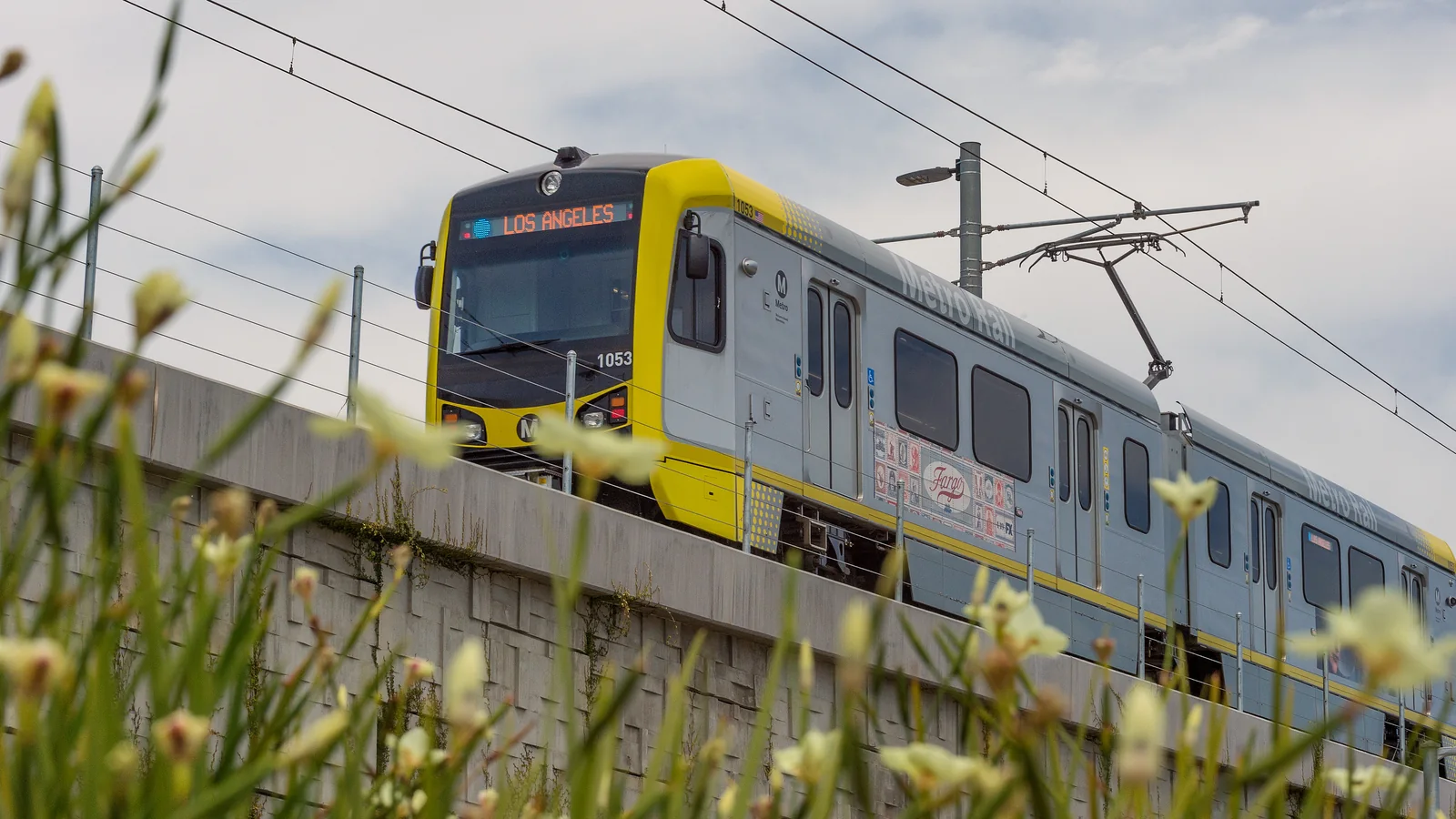
The countywide rollout takes a 2023 Santa Monica experiment and broadens both its scale and eligibility. Under the expanded One Car Challenge, residents aged 21 or older with at least one household vehicle can participate, including one-car households for the first time.
Participants are asked to keep at least one car parked as much as possible while using public transit, walking, cycling, ridesharing or micromobility. Travel patterns and odometer readings will be tracked through the GoCarma app during the five-week challenge.
Santa Monica pilot showed a clear mode shift
Metro’s earlier Santa Monica phase was much smaller and limited to households with two or more cars. An April 2026 Metro board report says approximately 300 households were offered up to $120 per week, or $599 in total, plus a $50 TAP transit pass and five free bike-share rides for keeping a second car parked for five weeks.
The same report says weekly odometer readings were used to measure outcomes. Metro found a statistically significant shift away from single-occupancy vehicle travel, with the largest movement toward walking and micromobility. However, the sample was too small for the vehicle-miles-traveled findings to reach the same level of statistical significance.
That qualification is important: the first phase demonstrated a change in travel mode, but it did not establish a statistically robust countywide reduction in vehicle miles traveled.
Don’t miss…OCTA Coastal Rail Resiliency Study Maps 30-Year Options
Countywide phase changes the test itself
The new phase is not simply a larger repeat of the Santa Monica pilot. It expands eligibility from multi-car households to households with one or more vehicles, increases the planned pool from roughly 300 to about 2,000 households, and moves the experiment from one city to the whole county.
The original 2023 Metro pilot announcement described the Santa Monica test as a way to see whether incentives could persuade residents to operate as one-car households. The 2026 expansion instead tests whether the approach can work across a much wider mix of locations and household circumstances.
Metro plans to use the larger trial to inform transportation policy and traffic-management strategies ahead of major events including the 2028 Summer Olympics. Funding comes from a Regional Early Action Planning grant from the Southern California Association of Governments.
News on railway transport, industry, and railway technologies from Railway Supply that you might have missed:


