Korail Plans 49 EMU-320 Trainsets to Replace KTX-I
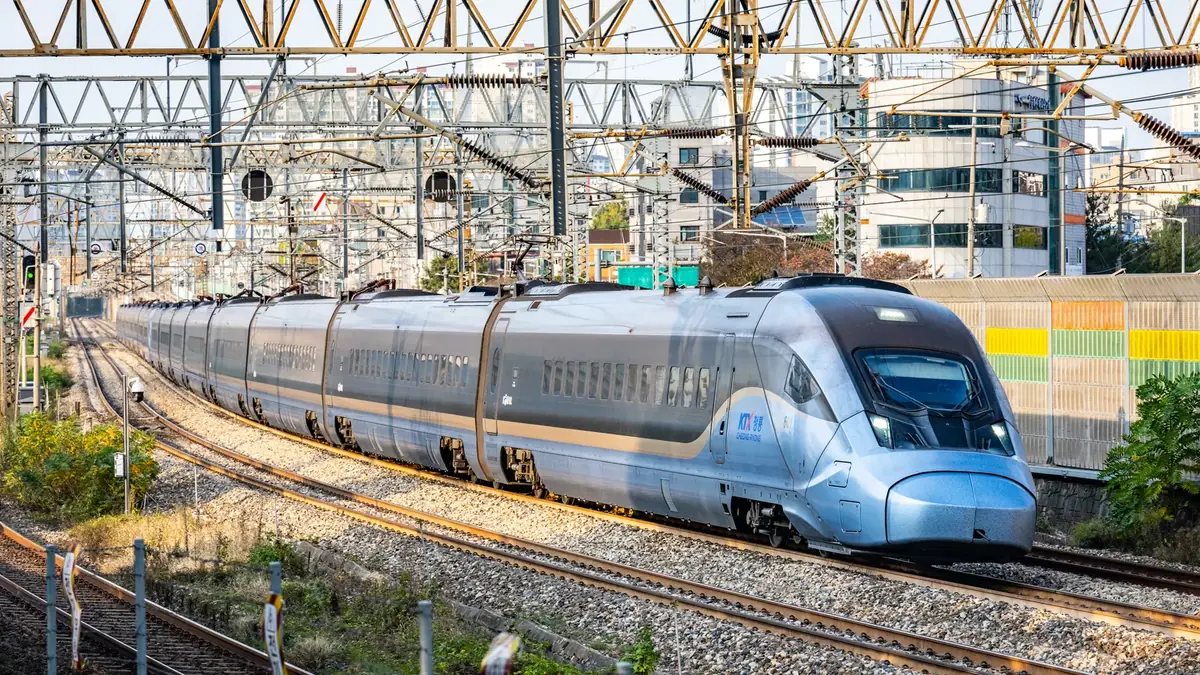
SOUTH KOREA: Korail plans to procure 49 EMU-320 trainsets for about 5tr won, replacing its first-generation KTX-I fleet while adding capacity and new onboard systems from 2032.
Korail sets a 2027 first-order target
Korail announced on July 8 that its next-generation high-speed train programme had passed the government’s public-institution pre-feasibility review. The approved scope covers 49 16-car trainsets, or 784 cars.
The programme is designed to replace 46 KTX-I sets and provide additional trains for more seats and emergency cover. Korail expects to order the first 28 trainsets from Hyundai Rotem in 2027, with deliveries beginning in 2032. The KTX-I fleet starts reaching the end of its planned service life in 2033.
Built by Alstom and Rotem between 1997 and 2003, the TGV-derived KTX-I uses power cars at both ends and is limited to 300 km/h. Each 20-car formation has 955 seats.
Distributed traction raises capacity and performance
The replacement EMU-320 fleet will distribute traction equipment beneath the passenger cars instead of concentrating power in separate end cars. Korail says this layout provides stronger acceleration and braking, which is useful on a high-speed network with relatively short distances between stations.
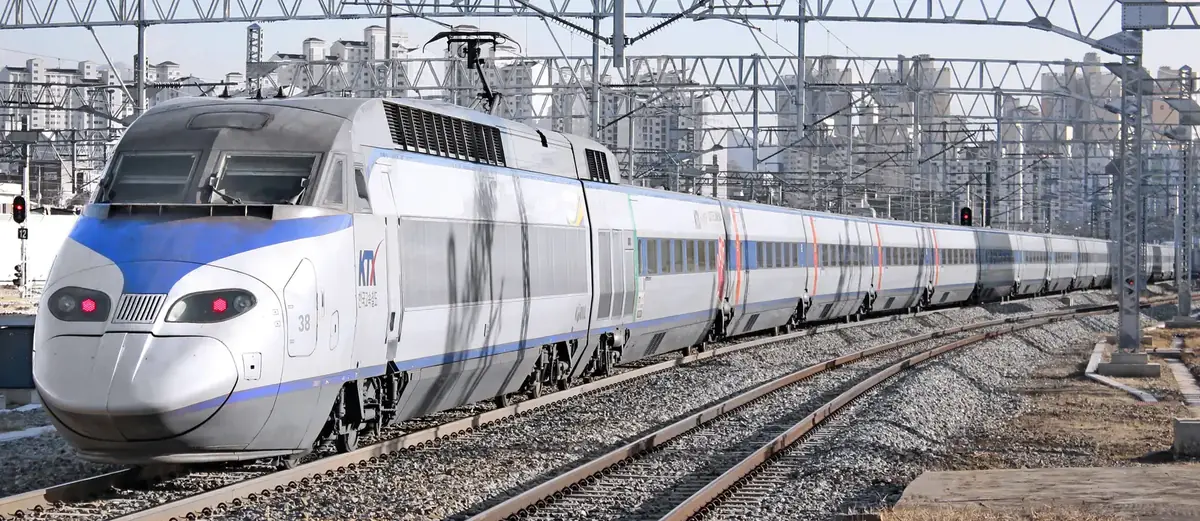
Each 16-car trainset is planned to offer about 1,000 seats and operate at up to 320 km/h. That gives the shorter formation roughly 45 more seats than a 20-car KTX-I.
Korail ordered two pre-production EMU-320 sets in 2016. They entered service as KTX-Cheongryong in May 2024; the operator’s current fleet page lists the eight-car units with 515 seats each. Korail later ordered 17 series-built sets, while Supreme Railways ordered 14. The 31 production trains are undergoing delivery and testing ahead of planned service from 2027, and the operators confirmed in June that they would use the combined fleet jointly during their merger.
Don’t miss…Škoda Group Sets June 2029 Deadline for Rebranding
Maintenance and passenger systems form part of the plan
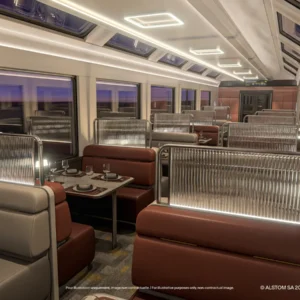
The planned trains will include condition-based maintenance that monitors equipment status in real time, enhanced derailment detection, an Intelligent Energy-Efficient Operation System and permanent-magnet synchronous motors. Korail also intends to refine seat layouts, luggage racks and toilets, with passenger convenience and accessibility included in the design work.
“The introduction of the next-generation KTX fleet is a national investment in transport infrastructure that will set new standards for high speed rail services for the next 30 years”, said Korail President and CEO Kim Taeseung.
Korail also expects to receive one EMU-370 research train in 2032. The separate national development programme is targeting a 370 km/h high-speed fleet.
News on railway transport, industry, and railway technologies from Railway Supply that you might have missed: