India’s first hydrogen train completes final trial
29.06.2026
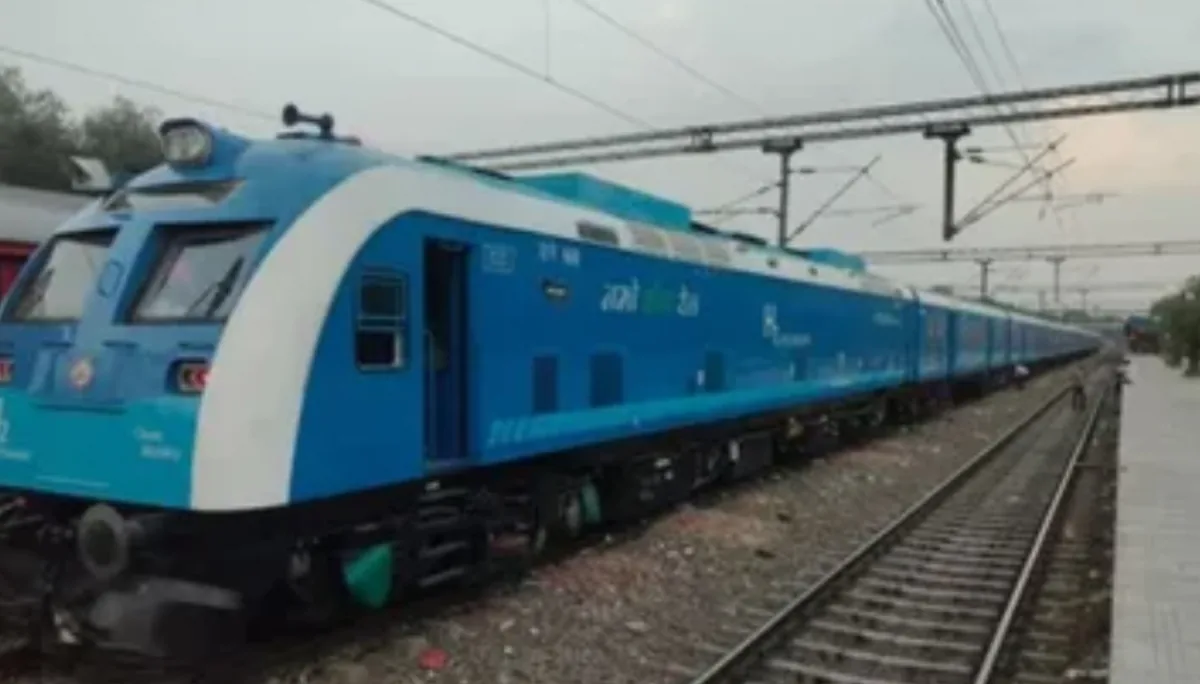
India’s first hydrogen train has completed its final high-speed trial on the Jind-Sonipat route. The train reached 120 kmph and is described as a zero-carbon train, releasing water vapour and heat.
India’s first hydrogen train route and trial checks
The trial took place on June 26, 2026, in Haryana and was declared successful after the hydrogen train completed the required checks. These included emergency braking and stability testing between Delhi and Jind.
The project gives Indian Railways a pilot for hydrogen-based rail transport. The 10-coach trainset has been cleared by the Railway Board for commercial use after several pilot runs and trials. Developed in India under the Atmanirbhar Bharat initiative, it is intended to operate at a regular speed of 75 kmph.
The train will run under Northern Railway on the Jind-Sonipat hydrogen train route. Indian Railways has also prepared dedicated infrastructure to support its operation, including a local hydrogen production and refuelling facility at Jind.
Hydrogen fuel cell train infrastructure
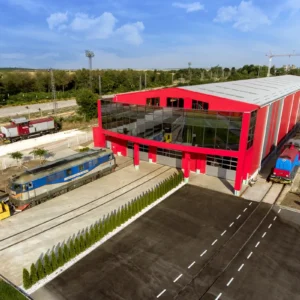
At Jind station, an eco-friendly system is planned to use solar or wind energy to split water and produce pure hydrogen gas. The facility is expected to generate around 430 kg of green fuel per day. Regular maintenance and safety inspections are also provided for at the Shakurbasti facility in Delhi.
The hydrogen fuel cell train differs from conventional diesel-powered trains because it produces electricity on board. Hydrogen tanks installed on the roof supply the fuel, while oxygen is drawn from the air. The two are combined through a chemical reaction that generates electricity for the train’s traction motors.
Power, emissions and safety systems
This process removes the need for carbon dioxide emissions during operation. According to the listed specifications, the train is a 10-car broad-gauge hydrogen fuel cell trainset with a total power output of 2,400 kW, supplied by two driving power cars of 1,200 kW each.
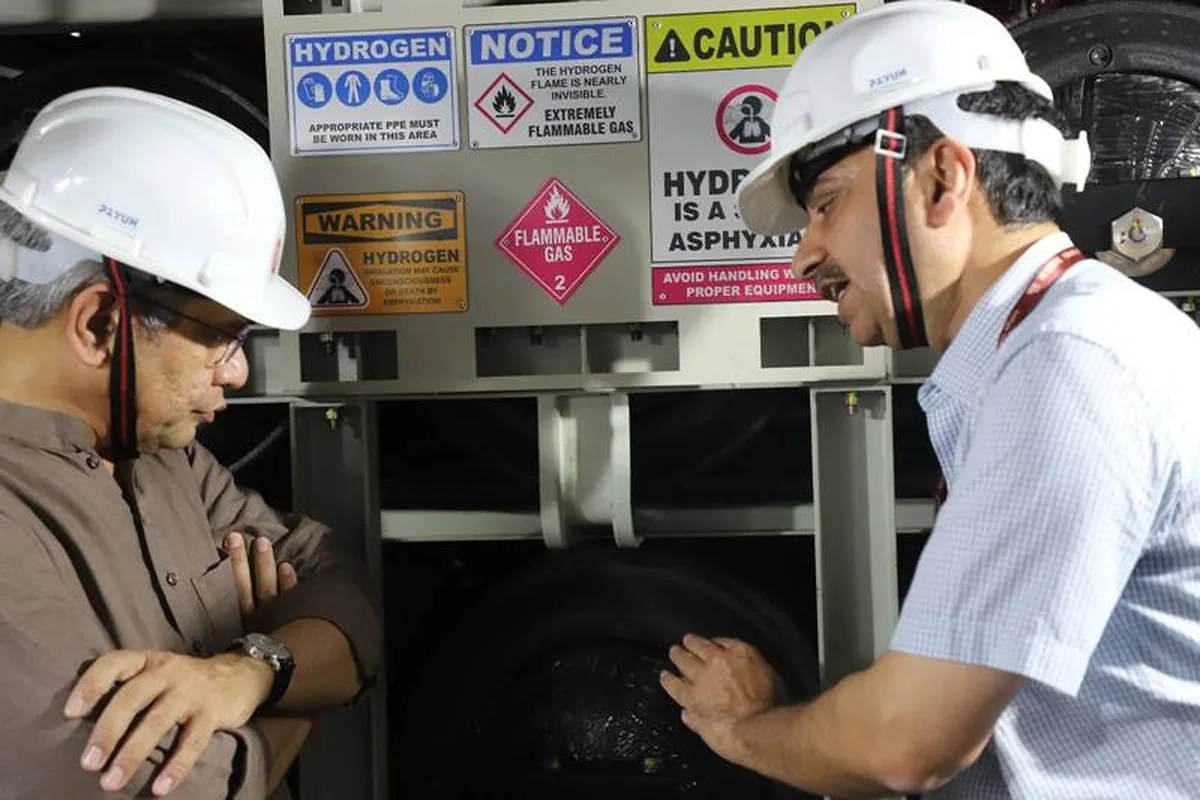
Its primary emissions are described as zero carbon, with only water vapour and heat released. Safety equipment includes hydrogen leak detectors, flame sensors and round-the-clock monitoring.
The Ministry of Railways confirmed that the Petroleum and Explosives Safety Organization has issued the required licences for safe storage and dispensing of compressed gas.
The Jind-Sonipat operation is being treated as a pilot because hydrogen rail technology is still at an early stage of deployment. The Ministry of Railways says only a limited number of countries are operating or testing such systems, while India has identified the Haryana section for its first hydrogen fuel cell train operations.
The official approval also links the launch to strict operating controls. During the initial phase, trained technical staff are expected to accompany the train, and the refuelling system is subject to 24×7 monitoring, certified personnel and regular inspection schedules.
The successful trial supports Indian Railways’ stated move from fossil fuels toward clean hydrogen technology. The passenger launch date has not yet been announced.