NJ Transit Penn Station Closure Raises Cost Questions
29.06.2026
NJ Transit Penn Station closure measures limited regular commuter access during World Cup match periods after FIFA and American Dream Mall projected that about 40,000 ticket holders would use the system on each game day.
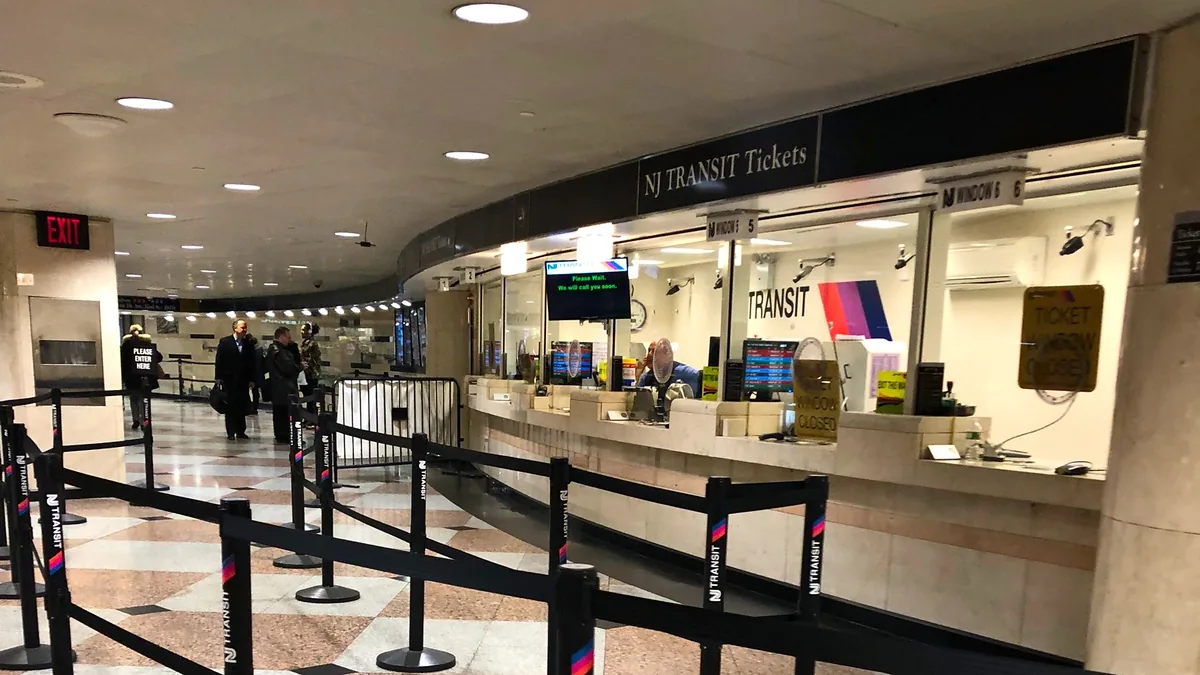
The decision affected the busiest transportation hub in North America and was based on crowd estimates tied to matches at MetLife Stadium in East Rutherford, New Jersey. Actual ridership later came in far below that level, with around 20,000 World Cup ticket holders using the service per day, about half of the original forecast.
NJ Transit spent $48 million preparing for the expected 40,000-rider surge, including security and other match-day measures. Kris Kolluri, President and CEO of NJ Transit, told reporters the agency may have spent $16 million more than necessary because the assumptions supplied by its partners did not match actual ridership.
In an interview with NBC New York, Kolluri said he would have planned for a “typical concert” if NJ Transit had known demand would be closer to 20,000 passengers.
NJ Transit Penn Station closure followed high estimates
Before the tournament began, New York City officials warned travelers about eight planned Gridlock Days, with particular concern over congestion in Midtown Manhattan. Officials in New York and New Jersey had also urged travelers to avoid unnecessary trips and work remotely where possible on match days.
NJ Transit expected large street-level crowds and chose to close its area of Penn Station to regular commuters for at least four hours before scheduled matches and three hours after them. The measure was intended to manage World Cup passenger flow and direct non-ticketed travelers to other options during the busiest periods.
Kolluri later said the FIFA World Cup ridership estimates from FIFA and American Dream Mall were inaccurate and had led to unnecessary costs and disruption. He said the lower turnout meant the agency had prepared for a larger operation than was ultimately required.
“We are executing the plan that we collectively worked on for three years. But if our partners had told us about the 20,000 to 25,000-person system, I would have planned for a typical concert, and not spent all this money,”
The $48 million plan was designed around 40,000 riders per match. With actual World Cup ridership closer to about 25,000 riders, NJ Transit expects overspending of around $16 million. Kolluri also said it was not his “issue” if the partners involved did not follow the plan developed over several years.
That difference amounts to about $2 million in overspending per match, including the finals scheduled for July.
World Cup train fares draw complaints from fans
Ticket prices may also have affected how many fans chose to use NJ Transit. Before matches at MetLife Stadium, some World Cup attendees criticized what they described as “700% price gouging” on rail fares, while others called FIFA “an absolute disaster for regular, everyday sports fans.”
On a normal day, a round trip between Penn Station in Midtown Manhattan and MetLife Stadium costs about $12.90. Before the World Cup started, NJ Transit raised the round-trip price to $150, then lowered it to $98 after complaints from fans and local politicians.
NJ Transit round-trip fares for the FIFA World Cup were therefore sharply above regular pricing:
Regular train fare: $12.90
FIFA World Cup fare: $98
The lower $98 fare was funded by advertisers and did not use New Jersey taxpayer money. Still, fans continued to object to the price, and officials in New York looked for another option.
New York City introduced shuttle buses carrying fans to and from MetLife Stadium for $20 round trip. New York Governor Kathy Hochul said that price point had proved attractive and that tickets sold out on every match day. Unlike the advertiser-backed rail fare reduction, the cheaper bus service relied on New York taxpayer funding.
NJ Transit did not provide a response to TheTravel’s request for comment.
Penn Station commuters face match-day restrictions
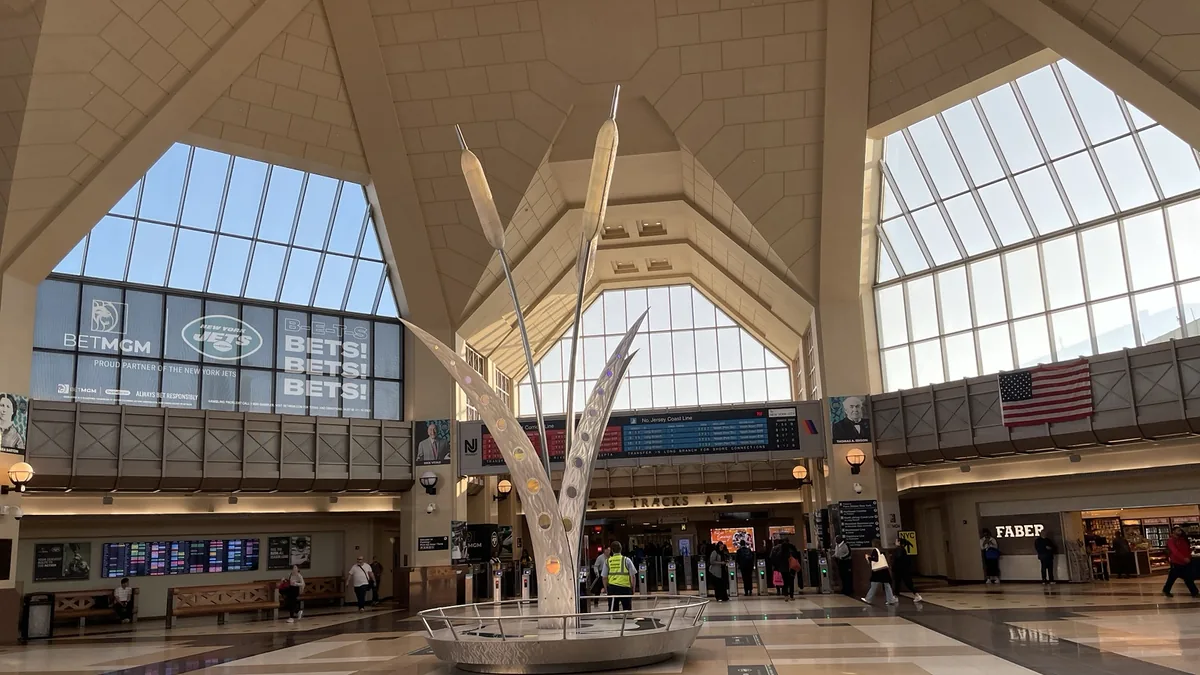
Penn Station is a major gateway for millions of passengers and is described as the busiest station in North America. NJ Transit’s closure of its section of the station was based on the original estimate of 40,000 match-day riders and was intended to manage crowds and protect public safety.
The plan required Penn Station commuters without World Cup tickets to use other routes during the closure windows. Since officials now say the ridership forecast was too high, the restrictions have raised questions about whether thousands of regular commuters and travelers were disrupted unnecessarily, even though the closures lasted a total of seven hours on each match day.
Passengers planning to use Penn Station on World Cup match days were advised to check schedules before leaving, arrive early, avoid peak match periods where possible, review alternate routes, watch service alerts, buy tickets in advance, and consider backup transportation.
What changes for passengers?
For regular commuters, the key issue is not a full-day suspension of NJ Transit service, but a set of match-day restrictions around peak travel windows. NJ Transit says outbound rail service from Penn Station New York to Secaucus Junction is limited to World Cup ticket holders for four hours before kickoff, while non-match passengers with New York rail tickets or passes can use PATH from 33rd Street or NJ Transit buses from Port Authority at no additional cost. After matches, some eastbound services to Penn Station are redirected to Newark Penn Station or Newark Broad Street for about three hours, with PATH and other transfer options available. Outside those peak windows, NJ Transit says regular schedules remain in effect.
For an event as large as the World Cup, transit planning remains central to moving fans safely to and from stadiums. The NJ Transit case also keeps attention on how ridership forecasts can affect regular commuters when station access is restricted around major sporting events.