
VTG agrees to sell VTG Rail UK and its roughly 4,500-vehicle fleet to USS
VTG has agreed to sell its UK wagon leasing business to pension scheme USS, with around 4,500 vehicles included and completion expected in the fourth quarter of 2026.
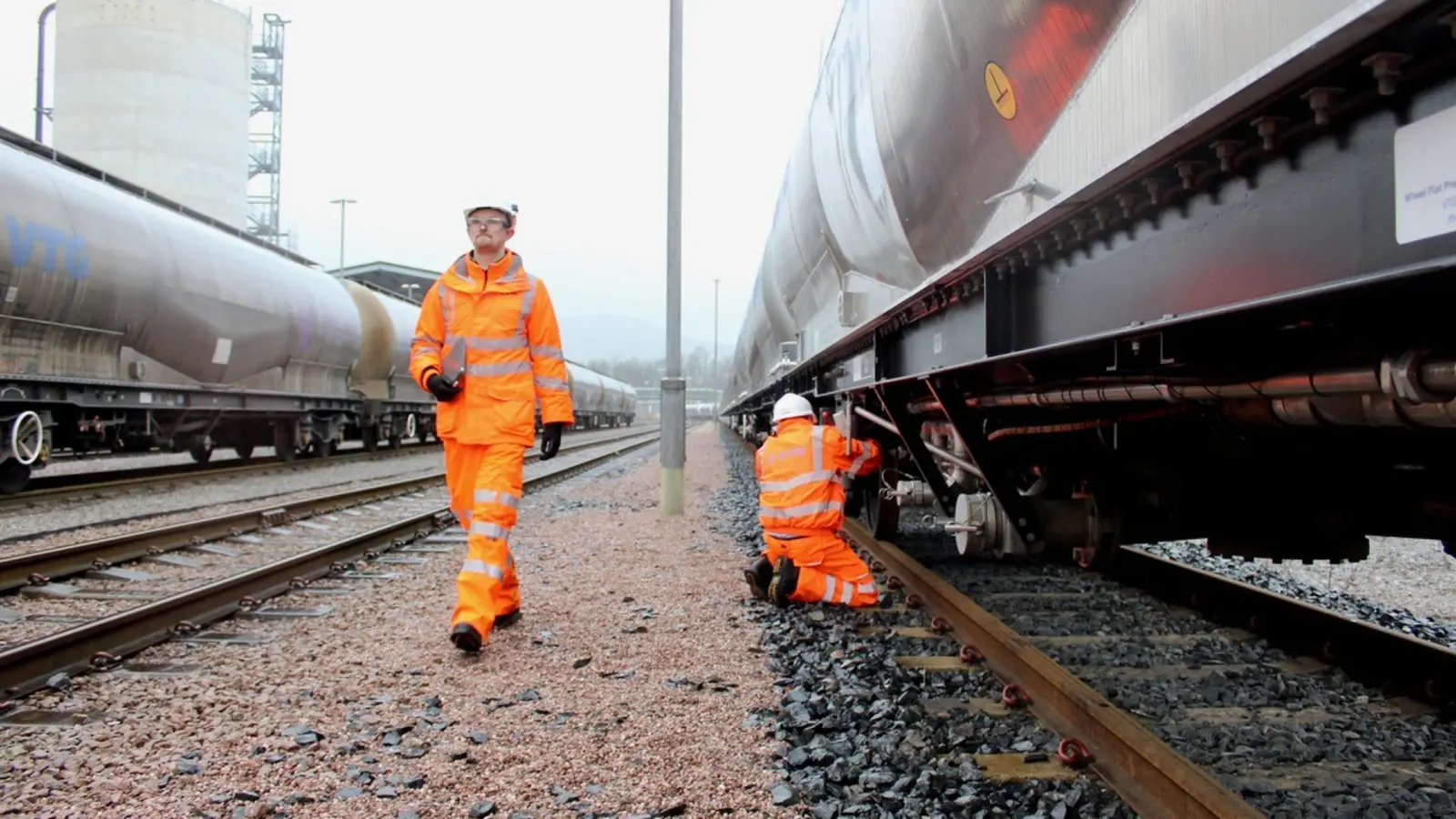
The buyer is the Universities Superannuation Scheme (USS), the principal pension scheme for UK universities and higher education institutions. It held around £84 billion of assets as at 31 March 2026. VTG GmbH signed a definitive sale agreement on 11 September covering all shares in VTG Rail UK Ltd. Completion is expected in the last quarter of 2026, and the companies say no regulatory approval is needed. No price has been published.
VTG Rail UK within the VTG fleet
VTG Rail UK has around 4,500 vehicles. The sale announcement puts the wider VTG fleet at more than 75,000 rail freight wagons, so the UK fleet represents less than 6% of that stated total. VTG Rail UK was set up in 2002 after VTG bought the Brambles European Rail Division, and before that it traded as CAIB UK Ltd. The company says new-build wagons and the takeover of AAE and Nacco have since more than doubled its fleet, and it describes itself as the biggest private lessor of freight wagons in the UK.
Around 30 staff run the business from Bromsgrove, serving customers across the UK and Ireland with intermodal, standard freight and tank wagons. Specifications of its intermodal types were listed in an earlier Railway Supply report.
Why VTG is selling the British business
VTG began looking at options for the subsidiary earlier this year and picked USS after what it described as a competitive process. Mani Herold, VTG’s chief financial officer, said the agreement allows the group “to further focus our capital and management resources on the continued development of our broader European business.”
VTG is itself owned by ADIA, Global Infrastructure Partners and OMERS, according to Kirkland & Ellis, which acted as a legal adviser on the sale together with Paul, Weiss, Rifkind, Wharton & Garrison. Goldman Sachs was the sole financial adviser to VTG.
Management and investment after completion
Marc Hurn will remain chief executive once the sale closes, and until then VTG Rail UK stays inside the VTG Group. Hurn said:
“Our day-to-day operations will continue as normal.”
The companies say that under the new owner VTG Rail UK will keep investing to grow its fleet and customer base, but no figure for planned spending has been published. Rob Horsnall, head of direct equity in the USS Private Markets Group, said the purchase matches the scheme’s stated strategy of putting long-term capital into infrastructure businesses. He described such businesses as able to generate stable cash flows linked to inflation. USS Investment Management, the scheme’s in-house manager, oversees nearly £25 billion of private assets. Its infrastructure unit of about 30 professionals aims to commit over £1 billion to new deals each year.
Rail freight volumes against the 2040 target
Horsnall also pointed to the government’s plans to expand rail freight capacity. On 8 September the Department for Transport announced a goal of at least 40% more rail freight by 2040, the first milestone on the way to its existing ambition of a rise of at least 75% by 2050.
Traffic over the latest full year moved in the opposite direction. The Office of Rail and Road recorded 16,055 million net tonne kilometres in the year to March 2026, down 3% on the previous year. Construction freight moved fell 7% and accounted for 32% of the total. Oil and petroleum freight moved dropped 33%, which the regulator attributes to the closure of the Grangemouth refinery and the end of operations at Lindsey. The number of freight trains run on the main line fell 7% to 186,131, the lowest annual total in the ORR series.
| Traffic type | Million net tonne kilometres | Change on 2024-25 |
|---|---|---|
| All rail freight | 16,055 | −3% |
| Intermodal maritime | 6,386 | +0.8% |
| Construction | Not stated in report text | −7% |
| Intermodal non-maritime | 873 | +10% |
| Oil and petroleum | 535 | −33% |
| International | 158 | −19% |
Intermodal traffic held up or grew in the year to March 2026, while construction, oil and petroleum, and international flows shrank. Figures are rounded as published; the report text states a 32% share and a 7% fall for construction. Source: Office of Rail and Road, freight rail usage and performance, January to March 2026.


