Eurostar Economic Contribution Estimated at 2 Billion GBP
10.07.2026
The Eurostar economic contribution is estimated at around 2 billion GBP annually, while international high-speed rail supports approximately 23,000 jobs.
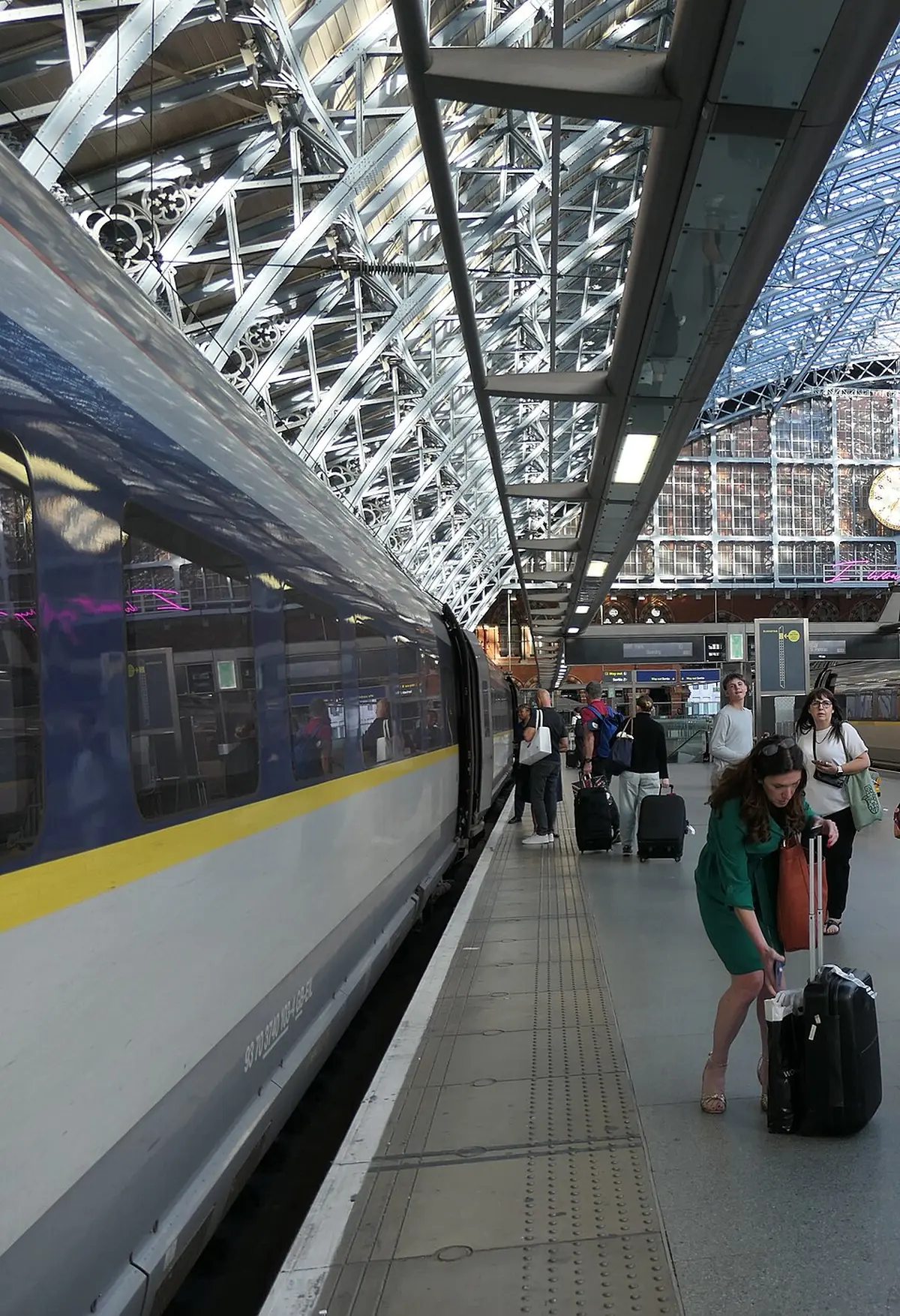
Eurostar Economic Contribution Through 2035
The Fast Track to Growth study uses Eurostar as a case study to assess the economic effects of international high-speed rail in the UK. It projects that the operator’s annual contribution could reach 2.8 billion GBP by 2035, supporting around 40,000 jobs each year.
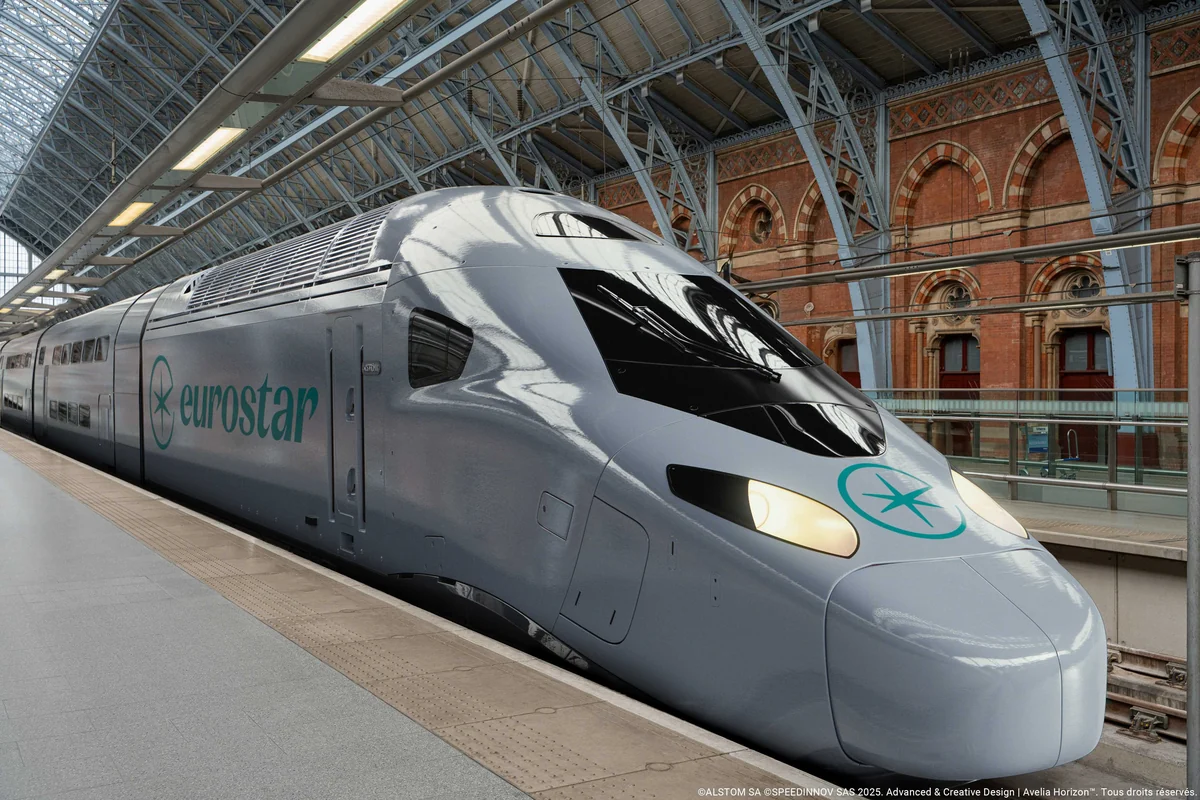
Part of this anticipated growth is linked to Eurostar’s planned investment of 1.7 billion GBP in a new fleet of double-decker Celestia trains. The first of the new trains is expected to enter service in 2031, and the fleet will support proposed direct connections linking London with Frankfurt and Geneva.
Don’t miss…Amtrak CN Deadline Extension Moves Replies to August 17
Employment and Gross Value Added
The research estimates that for every direct Eurostar job, a further 16 positions are supported in engineering, manufacturing, hospitality, tourism and other sectors. Economic activity generated by the operator contributes approximately 87,500 GBP in gross value added per job, around 9% above the UK average.
Tim Leunig, Director at Public First, said:
“We expected to find that Eurostar was good for the UK economy. What surprised us was how much of that value comes through competitiveness – more productive businesses, higher-quality jobs and connectivity that has made King’s Cross one of Europe’s leading investment destinations. The role of international rail in growing the UK economy is clear.”
Wider Effects of International Rail
Public First also assessed the broader effects of international rail connections, estimating that these services generate approximately 500,000 additional tourist visits to the UK each year. Those visitors contribute around 370 million GBP annually through spending on accommodation, hospitality and visitor attractions.
The report also estimates that approximately 150,000 additional business travellers arrive in the UK by international rail every year, contributing a further 115 million GBP to the economy. It also found evidence of passengers choosing rail instead of air travel on routes including Paris, Brussels and Amsterdam.
Gwendoline Cazenave, Chief Executive of Eurostar, said:
“For Eurostar, travel is about much more than transport. Throughout history, better connections have created stronger economies, greater innovation and deeper understanding between people. Rail has a unique ability to bring cities closer together while offering a journey that is productive, comfortable and sustainable from city centre to city centre. Connection creates opportunity and growth.”
“This research shows what Eurostar already delivers – and why international rail is worth investing in for the future. The UK now needs a bold vision to match the private investment on the table – more depot capacity, a bold expansion of St Pancras and a seamless border. Now is the time to act to ensure Britain plays a leading role in Europe’s high-speed rail future.”
Eurostar’s Celestia procurement comprises a firm order for 30 Alstom Avelia Horizon trains, with options for 20 more. Each 200-metre train is expected to provide 20% more seating capacity, subject to final design specifications, while commercial services are due to begin in May 2031. Eurostar also plans to develop its Temple Mills depot in London to maintain the expanded fleet and says the new trains will create around 350 additional highly skilled jobs at the facility.
News on railway transport, industry, and railway technologies from Railway Supply that you might have missed: