Eurostar 55C train upgrade targets hotter summers
09.07.2026
Eurostar 55C train upgrade plans are aimed at ensuring key onboard systems on the operator’s future fleet of 50 double-decker trains can work in extreme heat.
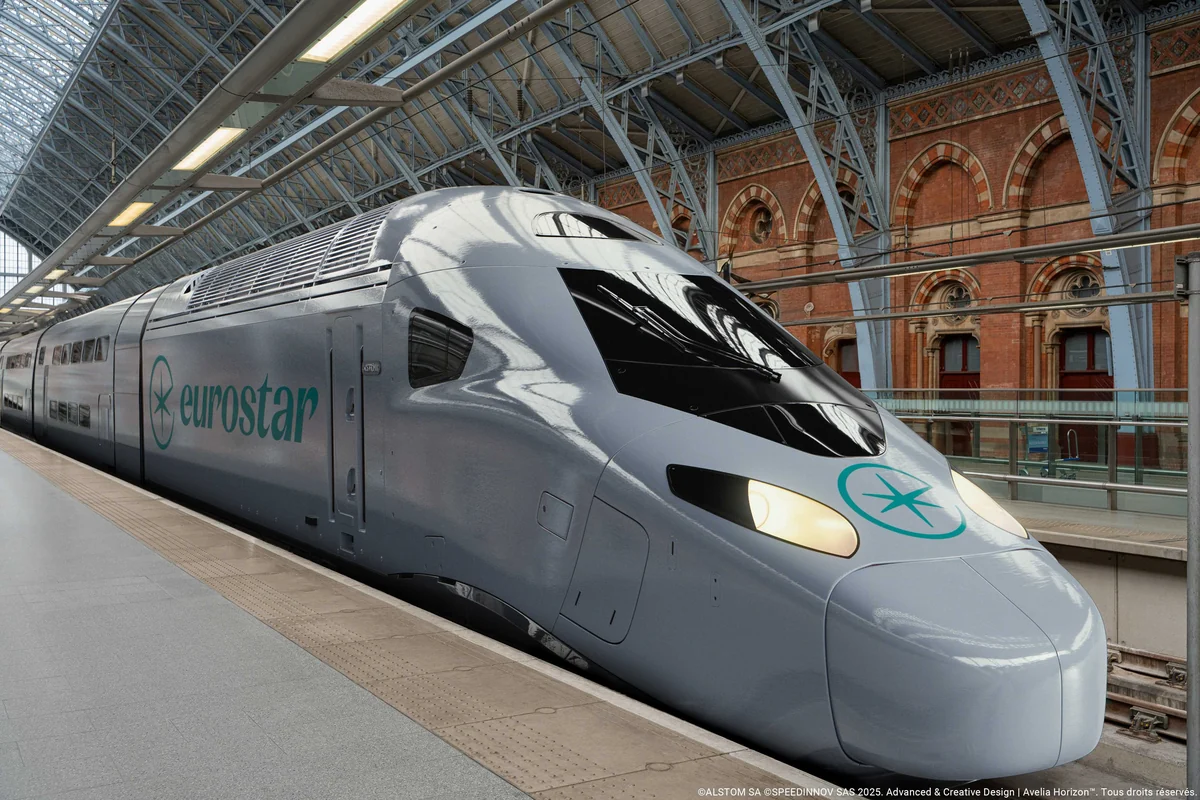
The Channel Tunnel rail operator changed the terms of its agreement with French manufacturer Alstom last week, adding tougher heat-resilience requirements for equipment on the new “Celestia” trains.
The original €2bn (£1.7bn) order, announced last October, required air-conditioning and running systems to work at 45C while keeping passengers cool. Eurostar reviewed that standard after France recorded its three hottest days ever last month.
During that heatwave, more than 40pc of France experienced temperatures above 40C, while Pissos, near Bordeaux, reached 44.3C. Heat-related deaths increased by almost a third.
Eurostar 55C train upgrade follows French heat records
Gwendoline Casenave, Eurostar’s chief executive, said the latest heatwave, Europe’s third this year, had reinforced the case for the extra investment. Temperatures again reached 40C in France this week, while London was expected to see highs of 35C on Thursday.
The decision was also linked to the fleet’s long operating life. The Celestia trains are not due for delivery until 2031 and are expected to remain in service for around 30 years, a period in which European temperatures could reach levels now associated with North Africa and Arabia, Ms Casenave said.
She told The Telegraph:
“We thought, hey, this is northern Europe – the UK, Germany, Switzerland – and in France we don’t go south of Paris, so up to 45 degrees is OK.”
“Then, a week ago, after the last heatwave, we decided to take the 55C option. We are buying trains that will last 30 years, and we thought maybe in the 2060s, even in the UK, the temperatures could reach those levels. It’s more expensive but it will be worth it.”
According to Ms Casenave, the upgraded package has been nicknamed the “Sahara option”. It will include stronger air-conditioning, as well as higher-grade components and microprocessors designed to function at elevated temperatures.
The new Celestia fleet will also mark the first use of double-decker trains in the Channel Tunnel. Each train will be able to carry more than 1,000 passengers.
Don’t miss…Repentigny train derailment investigated in Quebec
Solstice plan covers heat-related train disruption
Eurostar has also expanded its operational preparations for extreme heat through its “solstice plan”, an emergency response framework now in its third year.
The plan was activated earlier than in previous years after forecasts pointed to unusually high spring temperatures. Those conditions led to the first heatwaves of the year in May.
Under the plan, Eurostar monitors air-conditioning and water supplies in every carriage of every train. It also reserves capacity at maintenance depots so that urgent repairs can be carried out if cooling systems fail.
Ms Casenave said:
“We’re lucky we had this plan and were prepared because the heatwave has been earlier than ever and much worse than ever.”
She said around one in 10 Eurostar trains had been affected by the heat, causing breakdowns and delays.
During last month’s heatwave, passengers were reportedly trapped for more than two hours without air conditioning on a broken-down train in Belgium. Several people became unwell before emergency services arrived and evacuated passengers onto the tracks.
Ms Casenave said Eurostar was coordinating with infrastructure providers across its network on procedures for handling the “very difficult situation” of stranded trains.
Eurostar’s Celestia programme is tied to a wider fleet expansion rather than only a heat-resilience upgrade. The operator describes the deal as a €2 billion investment in up to 50 double-decker trains, with 30 confirmed and an option for 20 more, as part of its plan to grow toward 30 million annual passengers.
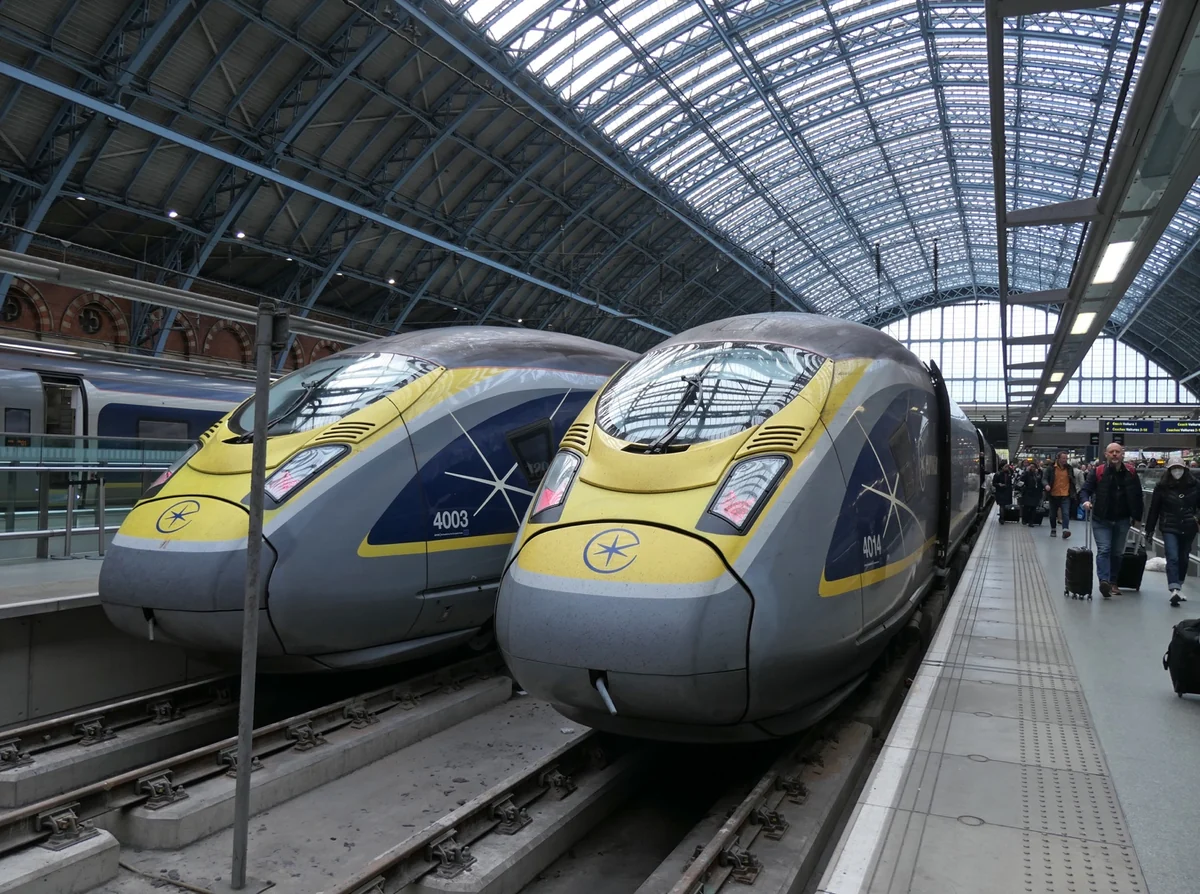
The first Celestia trains are due to join the fleet in January 2031, with commercial services planned from May 2031. Once delivered, Eurostar says the new trains will operate alongside its current fleet of 17 e320s, bringing the total fleet to 67 trains. Alstom says the Avelia Horizon trainsets for Eurostar are intended to run across Germany, Belgium, France, the Netherlands and the United Kingdom.
Heat also affects rail infrastructure
She also pointed to heat-related track buckling as a particularly difficult issue. Rails can become 20C hotter than the surrounding air as they absorb sunlight. That causes the steel to expand and can make tracks buckle once gaps between rails have closed.
New metals that expand less are being developed as a possible way to address the problem across railway networks.
News on railway transport, industry, and railway technologies from Railway Supply that you might have missed: