Brasília Metro train tender covers 15 new EMUs
09.07.2026
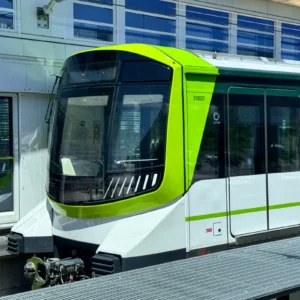
The Brasília Metro train tender is now open, with Metrô-DF, the company operating the metro system in Brazil’s capital, seeking to buy 15 new electric multiple-unit trains.
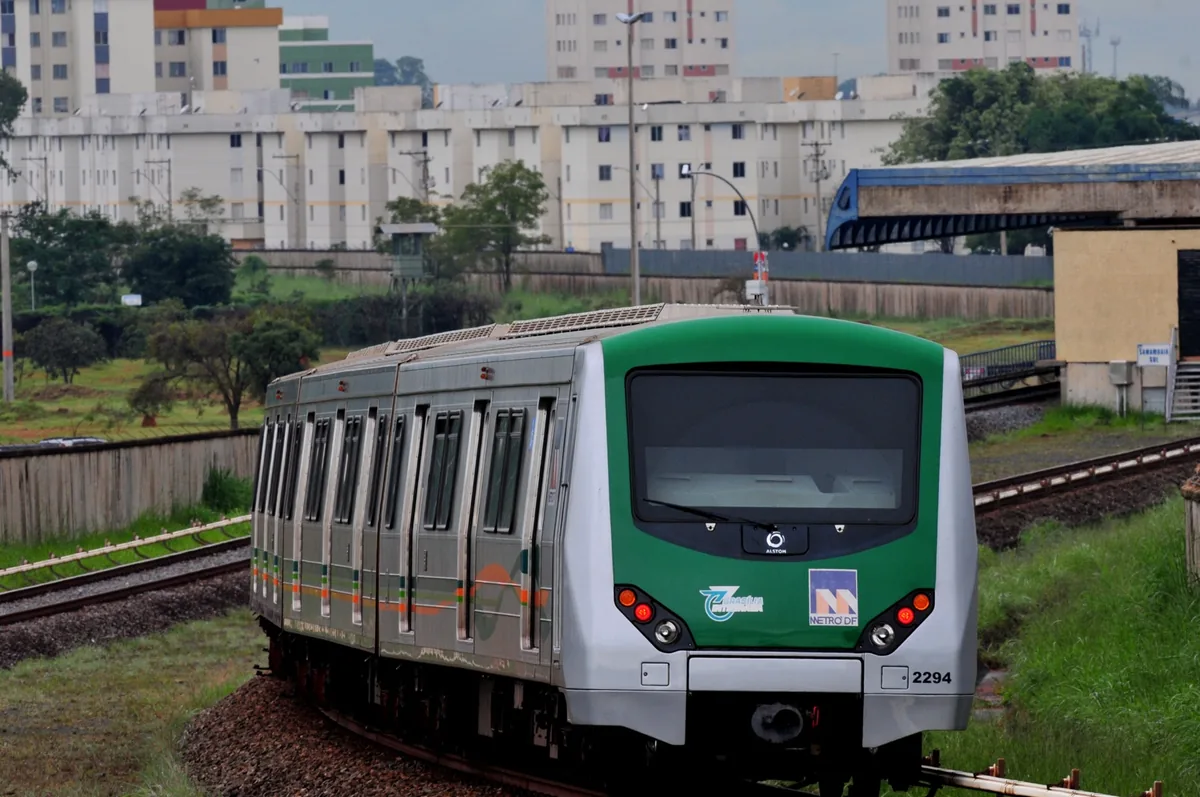
The procurement is valued at around BRL 1 billion, or approximately EUR 170 million. The contract covers an integrated package of engineering services, including train development, manufacturing, integration, testing, commissioning, and delivery for operation.
The new rolling stock will be formed as four-car EMUs. Each unit is planned in an A+B+B+A arrangement and will be used on the Metrô-DF system.
Companies interested in the contract have until September 15 at 10:00 a.m. to submit their bids.
Brasília Metro train tender and network expansion
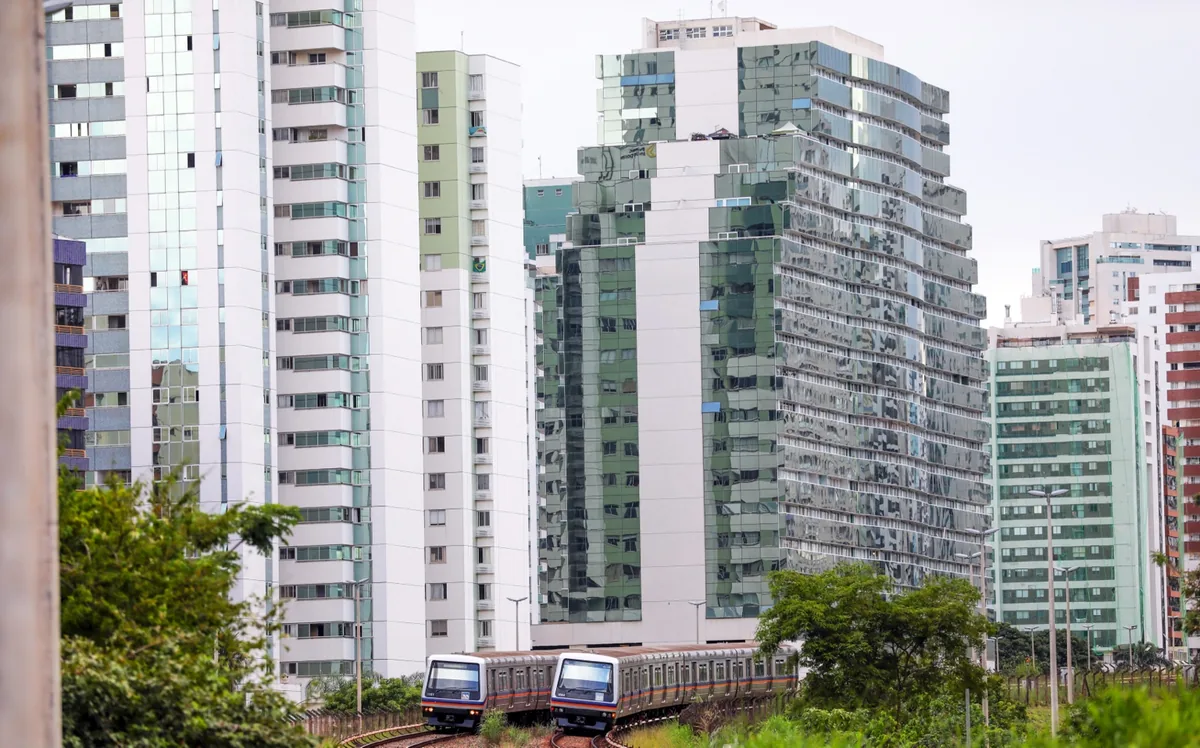
The tender is tied to Brasília Metro expansion plans. Metrô-DF is carrying out expansion work on Line 1 and is also preparing a separate tender for the Ceilândia extension. That project is expected to add about 6 km to the metro network and bring new stations into service.
The Federal District government has also announced progress in studies for the construction of a future Line 2. The proposed line is estimated at BRL 20.4 billion, or EUR 3.4 billion, and is expected to have a length of roughly 60 km.
Don’t miss…Sweden night train maintenance contract covers SJ fleet
Chinese manufacturers increase competition in Brazil
The Brasília procurement comes as competition in Brazil’s rolling stock market becomes more intense. Chinese train manufacturers are gaining a stronger position in tenders for metro and passenger rail vehicles, while established international suppliers continue to compete for contracts in the country.
CRRC, the Chinese rolling stock group, has been among the manufacturers increasing its role in Brazil in recent years. Its growing presence is putting pressure on companies such as Alstom of France, Spanish manufacturer CAF, and Marcopolo, the Brazilian public transport vehicle manufacturer.
This competition was recently visible in the Salvador metro tender. CRRC Changchun won a contract to supply 10 trains after submitting a bid of BRL 490.4 million, or EUR 83 million. Alstom’s offer was BRL 614.4 million, equivalent to EUR 104 million.
The bidding committee initially announced that CRRC had been disqualified because of a requirement connected with accreditation by BNDES, Brazil’s national bank for economic and social development. After appeals from the Chinese company, the victory of CRRC Changchun was published in the Official Gazette.
Abifer raises concerns over the bidding format
Against this background, Abifer, the Brazilian Railway Industry Association, has said the Brasília bidding process should be held in person rather than through electronic tendering.
Vicente Abate, president of Abifer, stated:
“We are talking about a contract involving a large volume of resources and sophisticated equipment. That is why we must ensure complete transparency in the process. In electronic tenders, it is often unclear who is actually behind the submitted bids,”
Abifer’s position reflects concerns among companies already established in Brazil about the expanding role of Chinese suppliers in the local rail market.
Manufacturers with a longer presence in the country argue that some Chinese companies receive advantages through financing conditions, taxes, labour costs, and state support.
Brazil’s wider trade context with China
The dispute in rail supply is also tied to Brazil’s wider economic relationship with China. Chinese companies have expanded their activities in several areas of the Brazilian economy, including industry, infrastructure, and electric vehicles.
China remains Brazil’s main trading partner. This limits the room for action available to the Brazilian government, which is seeking to avoid diplomatic friction with Beijing.
Analysts cited in the Brazilian press have also said that the trade relationship with China is important for Brazil as a counterweight to pressure from the United States, particularly in a context of tariff threats.
Context
The train purchase is linked to the wider expansion of the Brasília metro system. Metrô-DF’s project materials describe the 15 Série 3000 trains as equipment intended to expand transport capacity on Line 1, while the network already covers 42.38 km across the main trunk and the Ceilândia and Samambaia branches. Official local-government material also connects new stations and ongoing works with higher daily passenger capacity. This gives the tender a direct operational context: the new trains are being procured as Brasília prepares to extend the system and handle more demand on its metro network.
For Metrô-DF, the immediate issue is the acquisition of 15 trains needed for the modernisation and expansion of the Brasília metro network. The tender may also become another indication of how competition is developing between Chinese manufacturers and established rolling stock suppliers in Brazil.
News on railway transport, industry, and railway technologies from Railway Supply that you might have missed: