Malaszewicze is no longer an EU priority
02.09.2022
Billions of euros have been invested in Poland’s railway network. It is the largest beneficiary of EU funds. However, the new reality has changed the need for investment, so the EU is changing priorities, reports Railway Supply magazine, citing RailFreight.

This issue will be at the center of discussion on the first day of the RailFreight Summit in Warsaw, which will take place on 7 and 8 September next week. The loss of EU funds in Malaszewicze, the new focus on Ukraine and the effectiveness of the investments made are some of the topics for discussion.
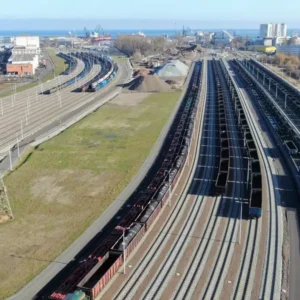
Malaszewicze is no longer part of Europe’s main rail network, it is just a “regular node” in the east-west corridor now. This is the result of the EU decision to exclude Belarus due to the current conflict. Instead, a new emphasis was placed on the corridors to Ukraine.
Czech Republic to connect two airports by rail
The Malaszewicze border crossing is not yet funded by the EU. There was a tender for EU funds, where Malaszewicz presented very good arguments, but the funds were not received.
While public investment continues, that doesn’t mean the money is where it should be, argues Jakub Majewski of the Pro Kolej Foundation, who will also speak at the conference. In his opinion, the results of the ongoing investments are not so positive.
There is a difference between the view of the infrastructure manager and that of the customer of rail. The infrastructure manager looks at train speed, the customer – at transit time.
The same discrepancy can be seen in Malaszewicze, Majewski argues. The EU has invested 1 billion euros in Malaszewicze, but these investments have not been used effectively. Or take the line between Warsaw and Poznań. After all the work done, trains will run only 5 minutes faster on this route.
Railway news you might have missed:
Eurovision 2021: Yellow Wave swept over Lithuania
Find the latest news of the railway industry in Eastern Europe, the former Soviet Union and the rest of the world on our page on Facebook, Twitter, LinkedIn, read Railway Supply magazine online.Place your ads on webportal and in Railway Supply magazine. Detailed information is in Railway Supply media kit