Canada Refers Port of Vancouver Gateway Strategy to MPO
Canada has referred the Port of Vancouver Gateway Strategy to the Major Projects Office, advancing a four-part program centered on a proposed 50% increase in container-handling capacity.
The July 16 federal announcement brings the strategy and Roberts Bank Terminal 2 into the Major Projects Office process. The referral does not authorize construction: the terminal remains proposed, final permits are outstanding, and federal consultation must precede any decision on listing the project under the Building Canada Act.
Roberts Bank terminal could add 50% capacity
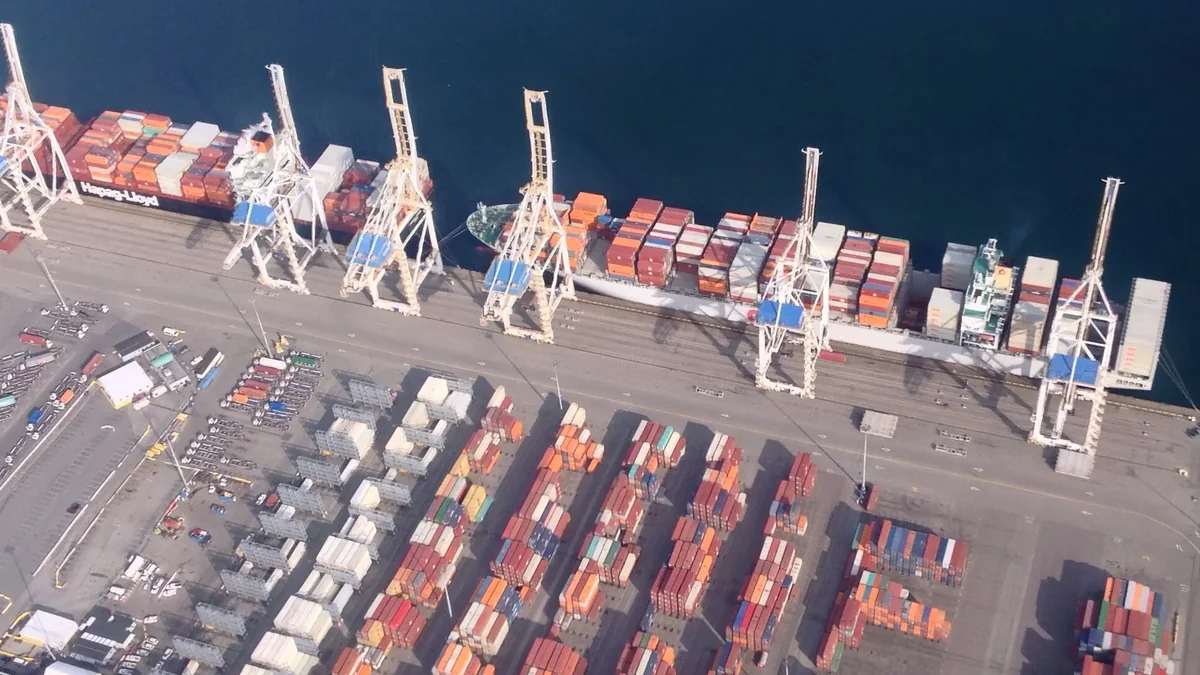
Roberts Bank Terminal 2 would create a three-berth marine container terminal on 320 acres of new industrial land in Delta, British Columbia. The official Major Projects Office project page identifies a marine landmass, wharf structure and berth pocket, widened causeway and expanded tug basin as the principal physical components.
Government projections say the project could increase the Port of Vancouver’s container capacity by nearly 50%, enable about CA$100 billion in new annual trade capacity, add more than CA$3 billion to Canada’s GDP each year and support over 17,000 ongoing supply-chain jobs during operations.
The project completed a federal impact assessment in 2023 and received key environmental approvals, but it is still awaiting the final permits required before construction. The Vancouver Fraser Port Authority also has Mutual Benefit Agreements with 27 First Nations connected to the project.
Don’t miss…Austin Light Rail Vehicles Contract Goes to Stadler
Rail and bulk projects widen the gateway plan
The wider Gateway Strategy backgrounder adds three other workstreams. One covers land and infrastructure for bulk terminals, including selection of an operator for the 40-acre Fraser Wharves site in Richmond and identification of further export-terminal opportunities.
Rail is a separate pillar because most cargo moving through the port travels by rail. The Major Projects Office and Transport Canada are working with railways and supply-chain stakeholders on a strategy that will examine physical infrastructure investment and operational optimization to increase capacity, reliability and resilience.
The fourth pillar combines future port growth with federal whale, salmon and ocean-protection programs. These programs are separate from Roberts Bank Terminal 2’s outstanding permits and consultation process.
Federal listing remains the next decision
The strategy addresses a gateway that handled a record 170.4 million metric tonnes of cargo in 2025, 8% more than the previous record set in 2024. The port also moves more cargo than Canada’s next five largest ports combined.
The immediate next step is therefore regulatory and organizational, not construction. The Major Projects Office will consult potentially affected Indigenous communities before the federal government decides whether Roberts Bank Terminal 2 should be listed as a project of national interest under the Building Canada Act.
News on railway transport, industry, and railway technologies from Railway Supply that you might have missed: