Binghamton Selects GPI for Passenger Rail Grant Bid
USA: Binghamton has selected engineering firm GPI to prepare its federal Corridor ID application, a planning step that could position the city for an initial $500,000 passenger rail development award.
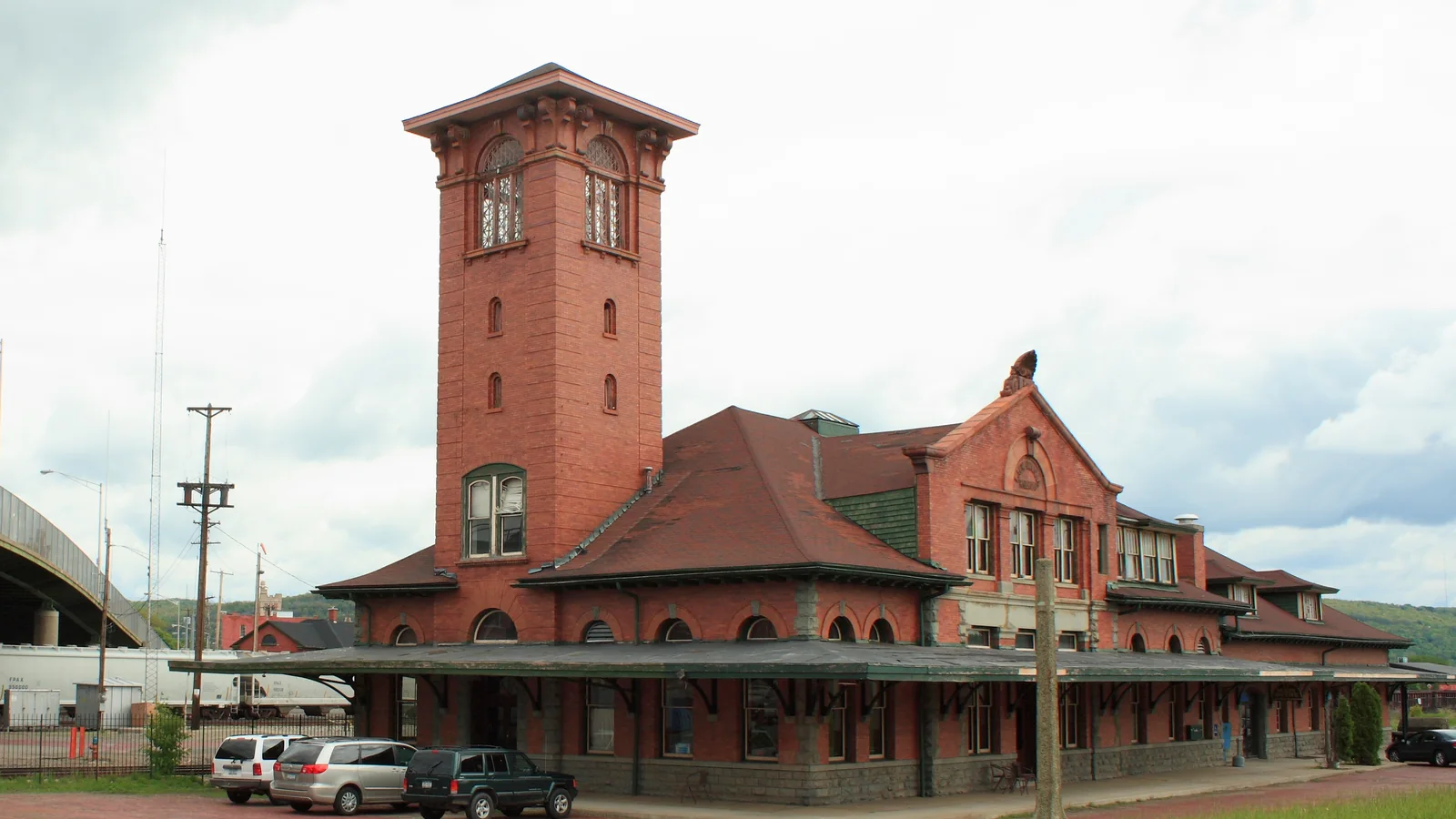
The selection is still an early project-development move, not approval for train service. The Aug. 12 announcement said City Council authorization was required before the agreement could proceed. The city’s council page lists the Aug. 12 business meeting but does not yet provide minutes or adopted legislation confirming the outcome.
GPI’s Scope Goes Beyond the Grant Form
Binghamton’s request for qualifications calls for the consultant to interpret Corridor ID eligibility and technical requirements, prepare maps and preliminary planning materials, coordinate with agencies and rail stakeholders, analyze possible alignments and ridership demand, develop project justification, and guide the Grants.gov submission.
The RFQ also calls for analysis of regional benefits and feasibility and coordination with partners such as the New York State Department of Transportation. It did not set a consultant fee; instead, the city said the selected firm would negotiate the fee and final extent of technical services before those terms are incorporated into a contract.
That makes the immediate task narrower than restoring passenger trains. GPI is the city’s selected firm to build the technical and administrative case for Binghamton to seek entry into the Federal Railroad Administration’s Corridor ID program, which is designed to move intercity passenger rail concepts through structured planning and project development.
$500,000 Would Fund Only the First Corridor ID Step
For each corridor selected into Corridor ID, FRA says the initial award is $500,000. Step 1 supports the start of corridor development, including a scope, schedule and cost estimate for preparing a Service Development Plan. Step 2 covers preparation of that plan, while Step 3 covers additional project-development work needed to ready a corridor for implementation.
Mayor Jared Kraham said Binghamton could target the next Corridor ID solicitation in 2027. The FRA’s current grants page lists Corridor ID as not accepting applications, so 2027 remains a local expectation rather than a posted federal application deadline.
The longer-term concept could connect Binghamton with Scranton and ultimately New York City, but the source says a functioning passenger rail line could take much of a decade. For now, the measurable change is the selection of the engineering team intended to prepare Binghamton’s federal application.


