Bangladesh needs 300 locomotives amid traction shortage
10.12.2025
Bangladesh needs 300 locomotives — an estimate made by state operator Bangladesh Railway as the country faces a persistent locomotive shortage and a sharp decline in freight rail operations.
This is reported by the railway transport news portal Railway Supply.
Bangladesh Railway locomotive shortage and fleet condition
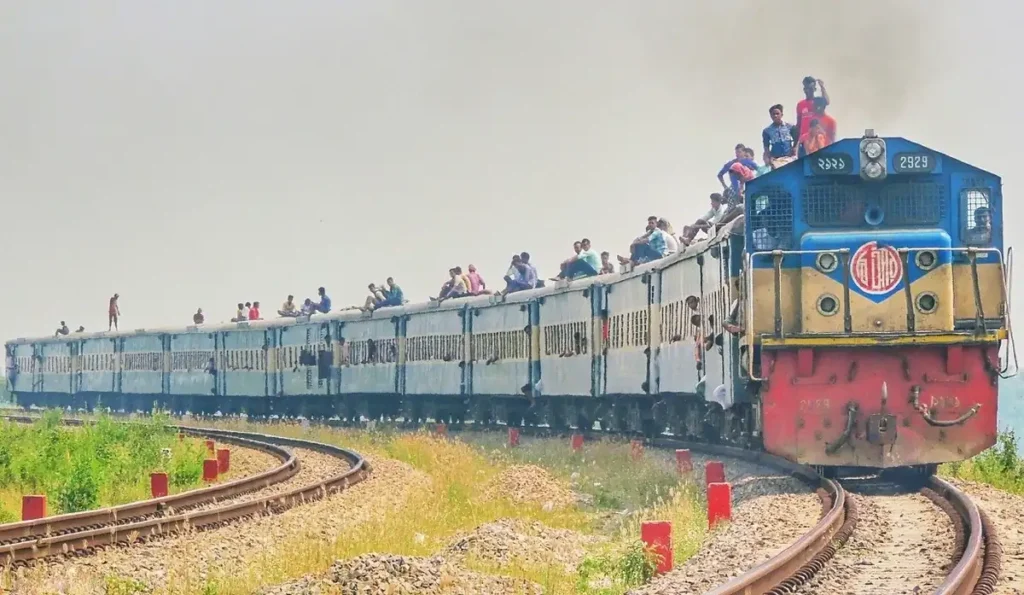
According to the state operator, Bangladesh Railway’s locomotive requirement stands at around 300 units. As of the end of 2025, the fleet consists of 281 locomotives, of which nearly 90 are not operational. Railway officials attribute the shortage primarily to the advanced age of the fleet, with many locomotives having been in service for more than 30 years.
Don’t miss…FTA guidance for transit during major events explained
A lack of adequate maintenance has further reduced availability, forcing a significant share of traction assets out of service. As noted by The Business Standard, ageing rolling stock and limited maintenance capacity have been undermining rail operations for several years.
Traction shortage in Bangladesh and impact on freight rail
The shortage of traction rolling stock in Bangladesh has already had a direct impact on freight transport. Railway data show that the number of freight trains operated on the Bangladesh Railway network has almost halved over the past four years — falling from 4,300 trains in the 2021–2022 financial year to 2,300 trains recorded over the first 11 months of 2025. In one of the world’s most densely populated countries, passenger services are prioritised, and when passenger locomotives fail, freight units are routinely reassigned to cover passenger operations.
As a result, freight customers have increasingly shifted away from rail. Fertilisers, for example, have not been transported by rail in Bangladesh for more than a year, with all such shipments now moving by road, a trend also highlighted by The Business Standard.
Investment in Bangladesh railways and plans to buy 30 diesel locomotives
Over the past 15 years, the government has channelled about 880 billion taka (approximately $10 billion at an average exchange rate) into railway development. This investment has funded the construction of 948 km of new rail lines and the procurement of 40 new locomotives. Rolling stock for metre-gauge and 1,676 mm broad-gauge lines has largely been sourced from India, mainly in the form of second-hand locomotives and passenger cars, with some deliveries provided free of charge.
Amid the continuing traction deficit, Bangladesh Railway announced in August its intention to procure 30 diesel locomotives, as reported by International Railway Journal and previously covered by Railway Supply. While this purchase should partially ease the shortage, it does not eliminate the broader imbalance between fleet capacity and operational demand.
News on railway transport, industry, and railway technologies from Railway Supply that you might have missed:



