AI Rail Station Monitoring Could Move Beyond Passive CCTV
INTERNATIONAL: AI rail station monitoring could shift security teams from continuous manual viewing towards connected camera, sensor and analytics networks that flag unattended objects and unusual crowd movement in real time.
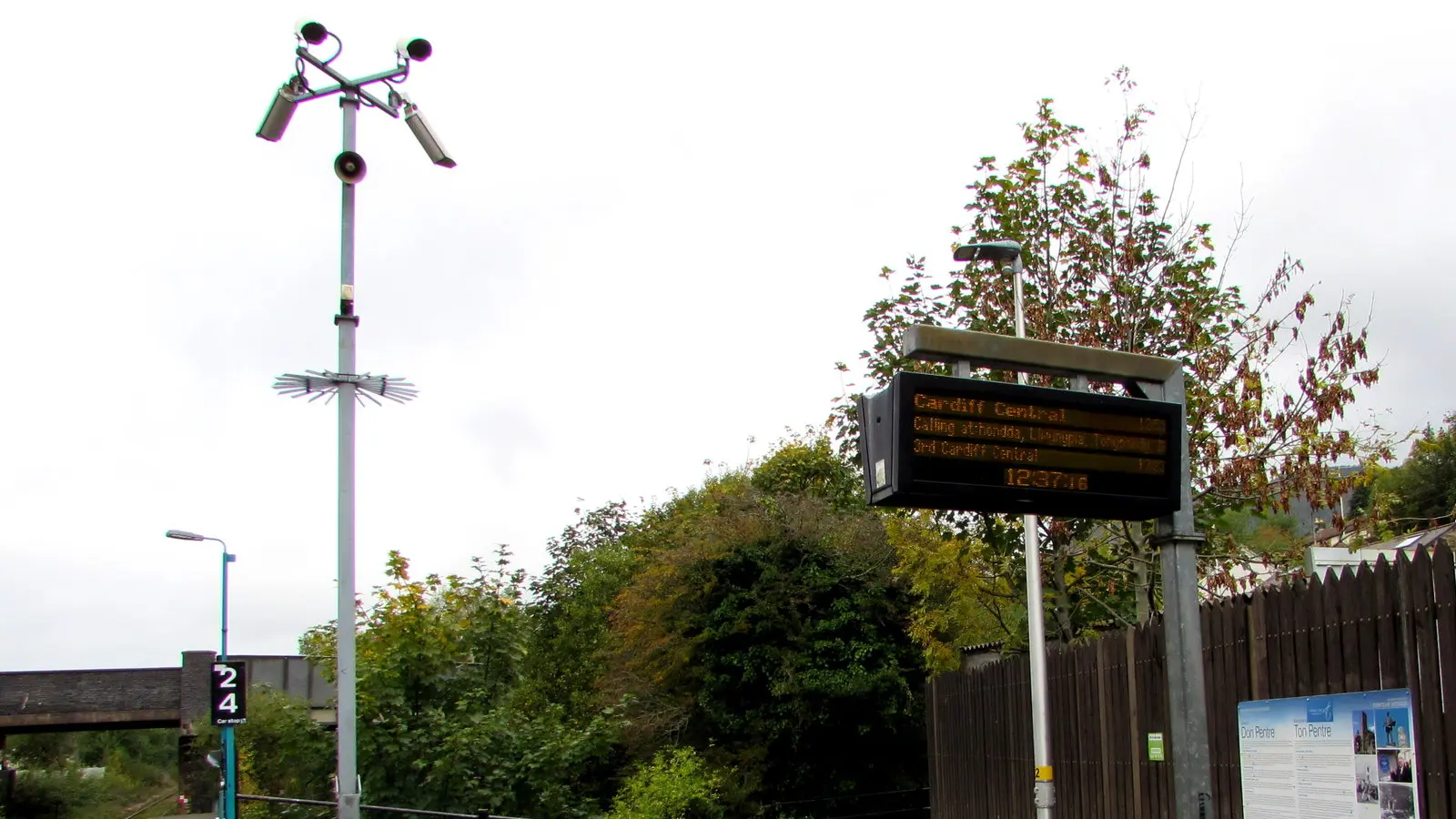
Rail stations combine heavy passenger flows with multiple entrances and open access. That design supports circulation, but it also makes perimeter control difficult and allows a person involved in an incident to blend into a crowd or leave quickly.
The pressure is not limited to passenger theft. Security teams may also face antisocial behaviour, attacks on staff, equipment theft and threats to critical infrastructure. In Britain, reported attacks on station staff and police increased by 10% from 2019 despite an 11% reduction in passenger numbers, according to figures reported by the BBC.
Connected monitoring replaces isolated camera feeds
Conventional CCTV networks often operate as separate systems and depend on staff watching numerous feeds. Older cameras can also deliver images that are difficult to use when teams need to identify people, objects or the sequence of an incident.
An IP-based architecture changes the operating model. Cameras can share data with sensors and access-control devices, while a video management system, or VMS, brings feeds and alerts into one interface. Instead of treating every frame equally, analytics can direct attention to events that match configured risk indicators.
The applications described in a recent rail station monitoring analysis include unattended-object detection and assessment of crowd behaviour. Software can highlight loitering, an unexpected build-up of people or movement that differs from normal patterns. The same pattern-recognition approach can also support fault reporting and maintenance scheduling.
This does not remove the operational role of security staff. It changes the first stage of monitoring: software identifies a possible event, while trained personnel assess the context and decide whether station teams, police or emergency services need to respond.
Don’t miss…Okehampton Interchange Station Opens in West Devon
Privacy must be designed into station surveillance
Connected video creates a broader pool of personal data, so deployment cannot be treated only as a camera upgrade. The UK Information Commissioner’s Office says organisations using video surveillance must meet the requirements of the UK GDPR and Data Protection Act 2018; its video-surveillance guidance covers both traditional CCTV and more complex systems.
Not every AI function carries the same privacy risk. Object and crowd analytics differ from biometric identification. British Transport Police began a six-month live facial recognition pilot at selected London transport hubs on 11 February 2026 to evaluate effectiveness, public-safety impact and public response.
For infrastructure managers and station operators, the practical task is therefore broader than buying higher-resolution cameras. They must define the risks to be detected, connect existing security devices, set alert and response procedures, and establish how video data will be accessed, retained and protected.
News on railway transport, industry, and railway technologies from Railway Supply that you might have missed:


