Union Pacific Norfolk Southern Merger Targets Late 2027
03.09.2026
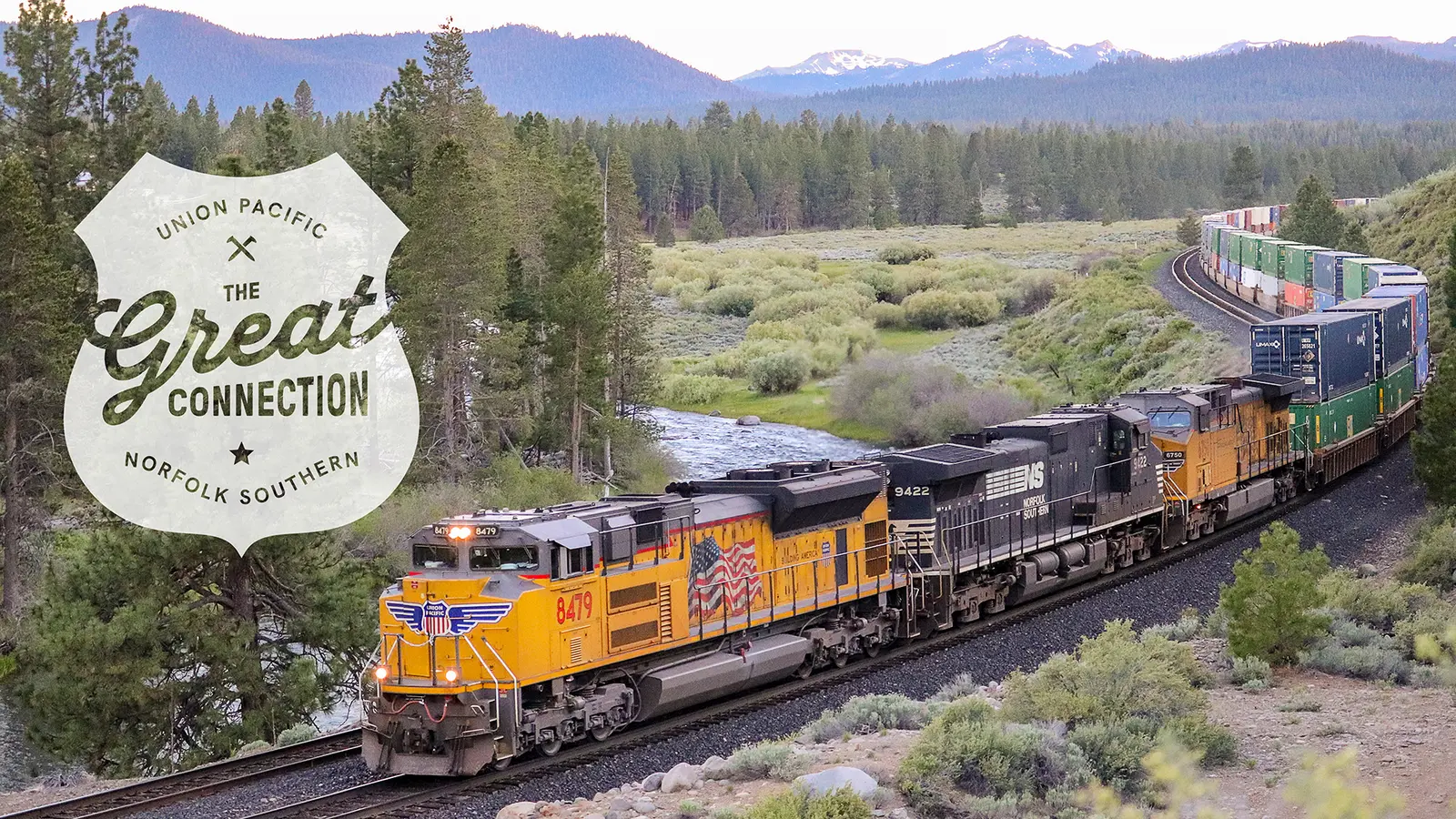
USA: The Union Pacific Norfolk Southern merger could close in the third or fourth quarter of 2027 as federal regulators advance the transaction’s merits review.
At a Bernstein fireside chat, Union Pacific CEO Jim Vena said the Surface Transportation Board accepted the company’s application on May 28, 2026, starting the statutory 12-month review clock. He said Union Pacific would have preferred a faster initial process but did not interpret the longer pre-acceptance period as a meaningful signal about the outcome.
The STB subsequently removed the proceeding from abeyance and adopted an official procedural schedule on August 18. The regulator made clear that accepting the application and initiating the merits review did not constitute a decision on the proposed transaction.
“We are in the merits review,” Vena said. “The conversation will be focused on data and facts.”
Comments, protests, requests for conditions and responsive applications from competing railroads and other interested parties are due on November 18, 2026.
Don’t miss…Mumbai-Ahmedabad Bullet Train Project Cost Doubles
Union Pacific Norfolk Southern Merger Benefits
Union Pacific projects that the combination would remove 2.1 million truckloads from highways annually and generate $3.5 billion in annual shipper savings. The company also expects the proposed coast-to-coast, single-line railroad to reduce congestion, improve driver safety and offer faster, more reliable freight service.
The railroad said the combined network could support new intermodal and manifest services. Vena argued that eliminating interchange handoffs would reduce transit delays, improve equipment utilization and allow freight blocks to travel closer to their final destinations without repeated handling.
According to Vena, intermodal transfers between railroads can add hours compared with a crew change on a single network. Some carload shipments could avoid between 24 and 48 hours of handling time.
Union Pacific has offered expanded Committed Gateway Pricing, protections for certain shippers with limited Class I railroad options, additional service-level safeguards and access to a new rate-relief process. Vena said existing gateways would remain open, allowing customers to select routes involving other carriers.
“The railroad benefit is for us to have a single line haul is we don’t have to hand off,” Vena said. “You change the whole paradigm of what your fixed costs are.”
CFO Jennifer Hamann said the transaction could give customers more efficient access to additional markets, ports and destinations. Faster service could also improve freight-car turns and reduce customers’ asset costs, she said.
Financial Targets Remain Unchanged
Hamann said Union Pacific continues to expect approximately $1.8 billion in annual net revenue synergies and $1 billion in annual cost synergies from the combination. The estimates remained unchanged following adjustments made during the company’s late-July filing process.
The company expects to resume share repurchases in the second year after closing, return to its leverage targets and maintain strong investment-grade credit ratings. Union Pacific projects that it would generate roughly $11.8 billion in cash by the third year following completion.
Based on the STB timetable, Hamann said the company sees a possible closing in the third or fourth quarter of 2027. The timing is Union Pacific’s projection and remains dependent on regulatory approval. Hamann added that the formal review schedule gives the company more certainty as it develops its integration plans.
Canadian National Agreement Addresses Competition
Vena also discussed Union Pacific’s agreement with Canadian National, announced in late July. The arrangement addresses competitive concentration concerns involving the St. Louis–Kansas City route that Union Pacific would acquire through Norfolk Southern while giving Canadian National access to Kansas City.
The agreement would also give Union Pacific access to Canadian National’s route around Chicago through the Elgin, Joliet & Eastern Railway. Vena said this could improve network efficiency and create new single-line services between Canada and Mexico, increasing competition with Canadian Pacific Kansas City.
Vena said Union Pacific remains willing to discuss other arrangements, but no other railroad has offered to negotiate a comparable agreement. He rejected claims that partnerships alone could reliably deliver the same benefits as a merger, citing potential disputes over train lengths, locomotive availability and capital-investment priorities.
Hamann said the company had not heard an objection from shipper associations or competing railroads that it considered a substantial threat to its case. Union Pacific maintains that truck-to-rail conversion, consumer and shipper savings, safety improvements and expanded single-line service demonstrate that the merger would serve the public interest.
Vena added that a more integrated railroad could support broader US transportation and national-security requirements by moving critical freight more seamlessly across the country.
What the STB Schedule Means
The regulator’s timetable provides procedural milestones rather than a guaranteed closing date. Comments, protests, requests for conditions and responsive applications are due on November 18, 2026; responses are due on February 16, 2027; and final briefs are due on May 28, 2027. The STB says it will set the record-closing date later and issue a final decision within zero to 90 days after the record closes. A public hearing may also be scheduled. Union Pacific’s third- or fourth-quarter 2027 closing window is therefore a company projection that remains contingent on regulatory approval and the steps required to complete the transaction.
About Union Pacific
Union Pacific Corporation (NYSE: UNP) is one of the largest freight railroad companies in the United States. Its principal operating subsidiary, Union Pacific Railroad, traces its roots to the Pacific Railway Act of 1862 and the first transcontinental rail connection completed in 1869.
Headquartered in Omaha, Nebraska, Union Pacific operates as a holding company for rail transportation and related services. Its core business is moving freight across a network that serves the western two-thirds of the United States.
News on railway transport, industry, and railway technologies from Railway Supply that you might have missed:
Don’t miss…Florence–Rome Line Reopens With Temporary Slowdowns



