Uganda Commences Tororo-Kampala Standard Railway (SGR) Project
23.11.2024
Uganda has officially launched the Tororo-Kampala Standard Gauge Railway (SGR) project to enhance trade and connectivity. This was reported by the railway transport news portal Railway Supply.

The East African nation recently signed a \$3 billion agreement with Turkey’s Yapı Merkezi for this ambitious undertaking. This project will involve building a 272-kilometer railway to connect Kampala with Malaba at the Kenyan border. Its strategic purpose is to link Uganda’s rail network to Kenya’s port of Mombasa, enhancing regional trade connectivity.
Economic Benefits of the Tororo-Kampala Standard Gauge Railway (SGR) Project
The broader plan aims to establish a 1,700-kilometer electric railway system across Uganda. This modernized infrastructure is expected to revolutionize the transport sector and streamline goods movement across the region. It represents a crucial development for Uganda’s economy.
Project Timeline and Funding
Construction is scheduled to commence in November 2024 and is projected to take 48 months. The project will be financed through domestic expenditure and credit from export finance organizations. Officials are optimistic about meeting the deadlines and delivering high-quality infrastructure.
Coradia Stream Train: Alstom’s New Era of Rail Transport in Romania
When completed, the railway will significantly reduce transport costs, improving the flow of goods from inland regions to coastal ports. This enhancement is expected to boost Uganda’s trade potential and overall economic growth.
Economic and Operational Impact
The new railway system will alleviate congestion on Uganda’s roads, a long-standing challenge. With projected speeds of 100 km/h for cargo trains and 120 km/h for passenger trains, the SGR will offer efficient and reliable transportation. The railway’s capacity to handle up to 25 million tons of cargo annually underscores its transformative potential.
President Museveni emphasized the SGR’s importance in Uganda’s long-term development strategy. By addressing logistical challenges, the project will position Uganda as a competitive player in regional trade.
Yapı Merkezi’s Role and Regional Context
Yapı Merkezi, a major contractor in East Africa, has taken over the project after China Harbour Engineering Company’s withdrawal. The Turkish firm is also leading Tanzania’s SGR construction, a 1,219-kilometer railway from Dar es Salaam to landlocked regions. Like Uganda’s SGR, Tanzania’s railway seeks to improve regional trade by linking to Rwanda and Burundi.
The rivalry between Kenya and Tanzania’s rail networks for cargo traffic from hinterland nations remains intense. Kenya’s SGR, completed between Mombasa and Naivasha by 2019, has already enhanced freight movement within the country. Uganda’s railway aims to strengthen this network further, fostering regional integration.
Promoting Local Participation
Project coordinator Wamburi highlighted plans to source materials locally, benefiting Ugandan businesses. Companies like Roofings and Hima Cement are prepared to supply key construction materials. This approach aligns with the government’s objective to involve local stakeholders in national development projects.
Regional Progress and Significance
The SGR developments in Uganda, Kenya, and Tanzania demonstrate East Africa’s commitment to modernizing transport infrastructure. Reports indicate these projects will shift dependency from road to rail, reducing costs and enhancing efficiency for businesses. This collective effort bolsters the region’s attractiveness to global investors.
Turkey’s growing presence in Africa is notable, with companies like Yapı Merkezi securing major contracts. By 2023, Turkish firms had completed over \$85 billion in African projects, underscoring their influence in the continent’s development.
Challenges and Future Prospects
Initially conceived as an East African project, the SGR faced several setbacks, particularly financing issues. Kenya completed its portion but could not connect to Uganda, Rwanda, or Sudan. Despite these challenges, Uganda’s renewed efforts signal progress toward realizing this transformative vision.
Key Project Facts
- Constructor/Contractor: Yapı Merkezi
- Start Date: November 2024
- Completion Date: 2028
- Cost: $3 billion
- Location: Kampala to Malaba
- Cargo Capacity: 25 million tons annually
- Train Speeds: 100 km/h (cargo), 120 km/h (passenger)
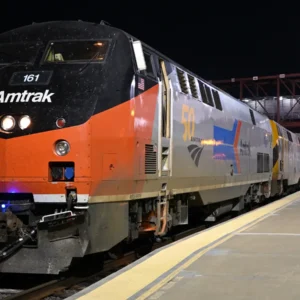
Photo, source: constructionreviewonline.com
News on railway transport, industry, and railway technologies from Railway Supply that you might have missed:
EWG Grain Hoppers: Reliable and Efficient Grain Transportation Across Europe