NJ Transit FY 2027 Budget Advances $3.5 Billion Plan
The NJ Transit FY 2027 budget provides $3.5024 billion for operations and authorizes $1.733 billion in capital funding across the statewide public transportation system during the new fiscal year.
NJ Transit FY 2027 budget increases operating spending
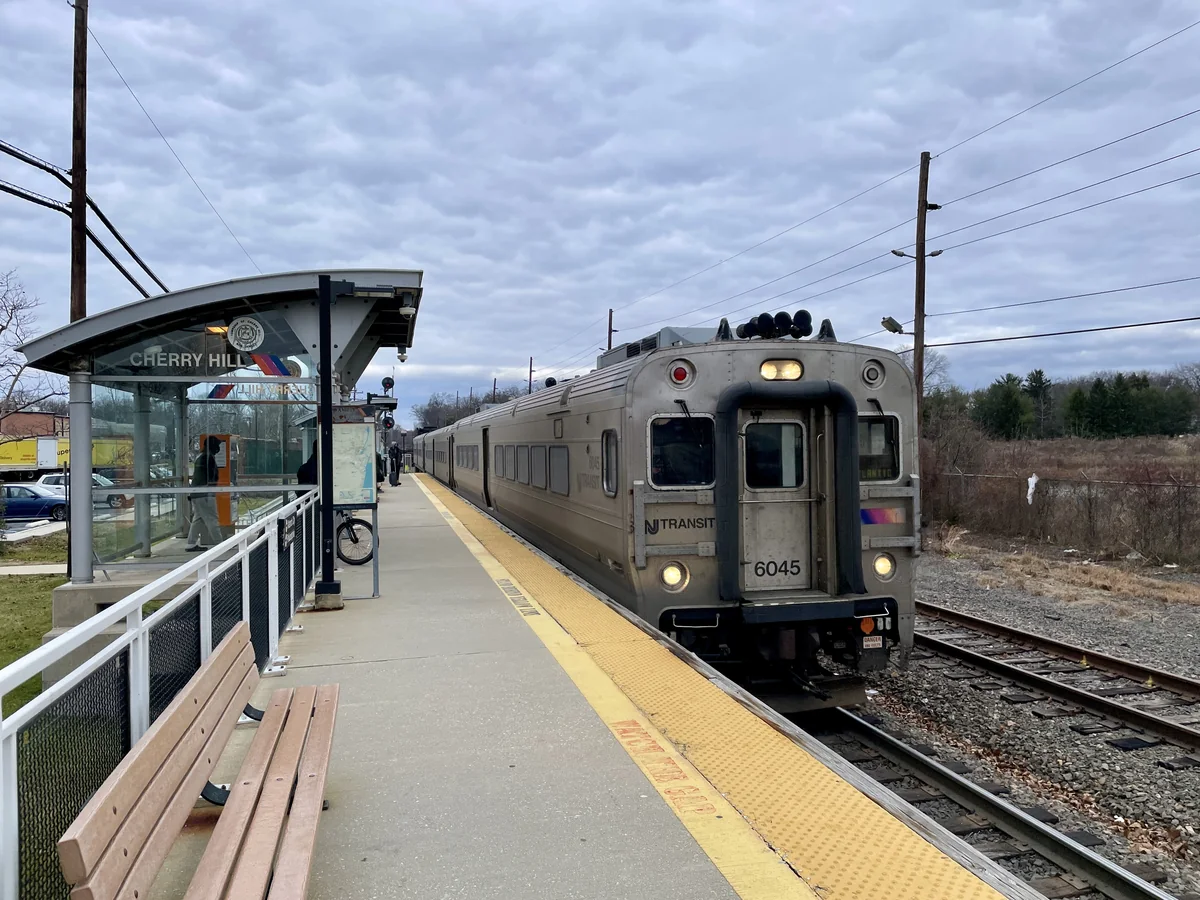
The NJ TRANSIT Board adopted the budget on July 16, setting operating expenditure 11% above the FY 2026 plan. The agency said the increase reflects higher labor, materials, contracted-service and infrastructure costs while maintaining bus, commuter-rail, light-rail and Access Link services.
Around 60% of operating expenditure supports labor and benefits for approximately 12,900 employees. The budget includes $1.1099 billion for labor and $938.6 million for fringe benefits. Materials and supplies rise 19.1% to $267.4 million, while tolls, trackage and fees increase 21.4% to $141.4 million.
Don’t miss…CSX expands Radnor Yard power-operated switches in 2026
Fare revenue is budgeted at $980 million, or 28% of total revenue, following a 3% fare increase effective July 1, 2026. State operating support reaches $1.0678 billion, comprising $302.2 million from the General Fund and $765.6 million from the Corporate Transit Fee. NJ TRANSIT will also receive $485 million from the New Jersey Turnpike Authority.
NJ TRANSIT President and CEO Kris Kolluri said the funding would support continued fleet and system modernization, adding that state support “will allow us to build on this progress.”
NJ Transit FY 2027 budget supports capital and local programs
The $1.733 billion capital appropriation combines $791.1 million from the Federal Transit Administration, $75 million in flexed Federal Highway Administration funding, $782 million from New Jersey’s Transportation Trust Fund and $84.5 million from casino revenue, local matching funds and Turnpike Authority resources.
The authorization supports infrastructure and equipment projects intended to maintain assets in a state of good repair and improve the customer experience. It also allows NJ TRANSIT to adjust funding among programmed projects when grant conditions or project circumstances change.
Local transportation programs receive additional support across all 21 New Jersey counties. Allocations include $56.9 million for senior and disabled resident transportation, $13.9 million for enhanced mobility programs, $8.9 million for rural transit and $5.5 million for the Jobs Access and Reverse Commute program.
NJ TRANSIT operates 12 commuter-rail lines, three light-rail lines and 264 bus routes, providing more than 925,000 weekday trips across New Jersey and connections to New York and Philadelphia.
News on railway transport, industry, and railway technologies from Railway Supply that you might have missed:



