New Sounder railcars bring a safer S Line ride
02.06.2026
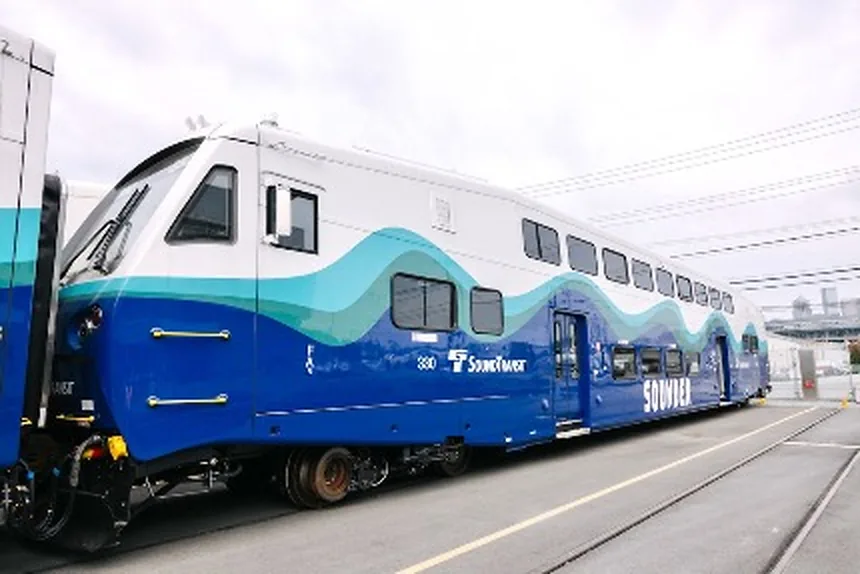
New Sounder railcars are now carrying passengers on the Sounder commuter service, as Sound Transit begins introducing Alstom-built equipment tied to an order placed in 2020.
New Sounder railcars move onto the S Line
Sound Transit said in its June 1 release that the first units entered service on June 1. The cars come from an 11-car order valued at $46.5 million, with three cab cars and eight coaches included.
The contract was first awarded to Bombardier Transportation in 2020. Since Bombardier Transportation later became part of Alstom, the cars now entering the Sounder fleet were built by Alstom.
Five coaches were scheduled for the S Line between Seattle and Lakewood. The planned service pattern called for a 2:25 p.m. departure from Seattle to Lakewood, followed by a 3:52 p.m. return from Lakewood.
Safety upgrades and passenger comfort
The new Sounder commuter service cars feature an enhanced Crash Energy Management design. The system is intended to absorb energy in a collision, making it one of the main safety-related changes in the new equipment.
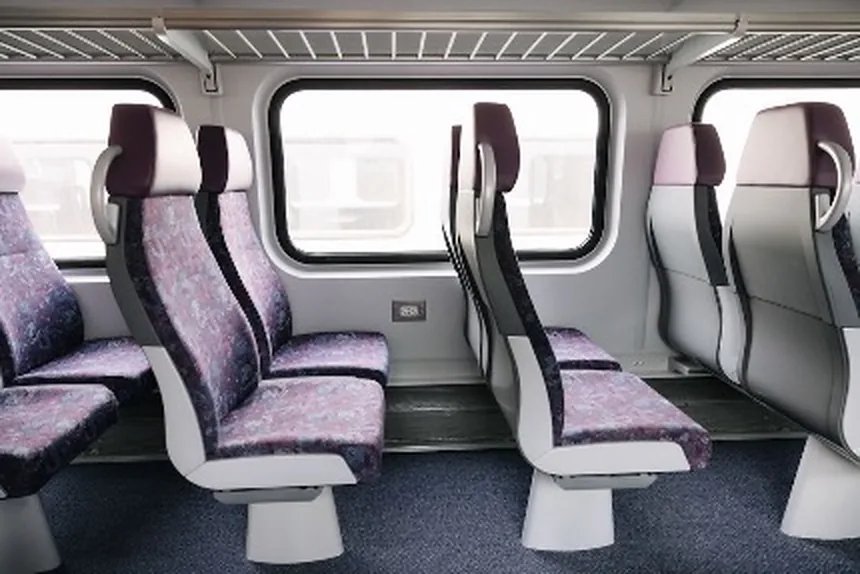
The cab cars also use full-width windshields to improve visibility. For passengers, the changes are more visible inside: USB and power outlets at every seat, more theater-style seating, extra leg room in selected areas, and a redesigned bike rack layout.
Sound Transit CEO Dow Constantine said safety and passenger experience are part of the agency’s core values. He said the new cars reflect both priorities and described them as a real upgrade for Sounder riders, including comfort features, visibility and performance.
Shared order helped reduce costs
The Alstom railcars were part of a joint order involving Sound Transit, the San Joaquin Regional Rail Commission and San Diego’s North County Transit District. Sound Transit had also described the same procurement structure in its earlier update on the first Sounder cars arriving in Seattle.
That shared procurement approach was used to reduce the cost per car, while allowing the agencies to bring new commuter rail equipment into their fleets.



