Maharashtra rail projects worth ₹990 crore to handle more freight and trains
Indian Railways has approved two Maharashtra rail projects worth ₹990 crore, doubling the Chouk-Karjat section and building a 38.21 km line serving coal and cement sites in Yavatmal and Chandrapur.
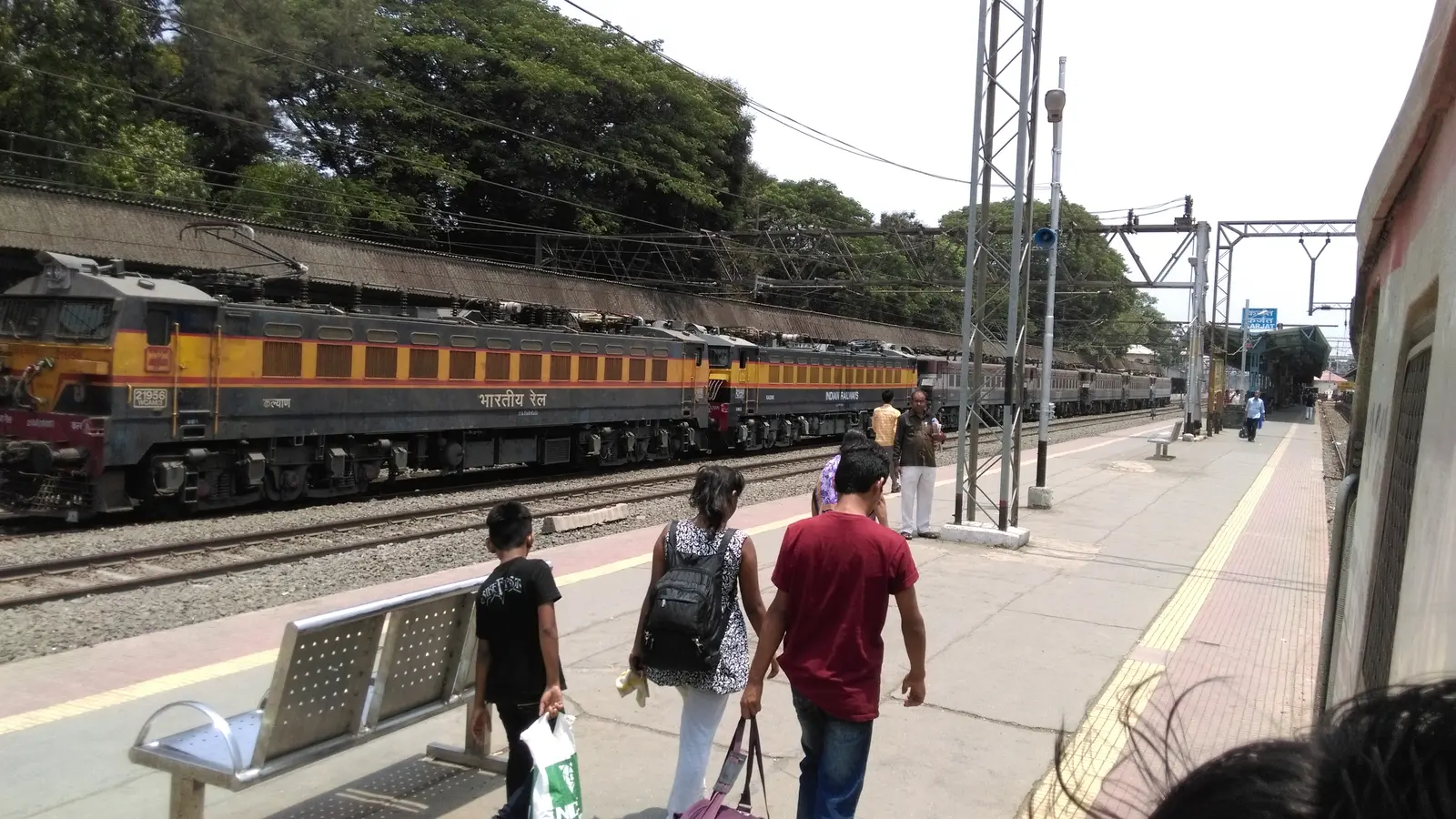
The Ministry of Railways announced the two decisions in separate releases on 18 September 2026. The larger sum, ₹497 crore, pays for doubling the 10.86 km Chouk-Karjat section of Central Railway. This stretch lies on the Panvel-Chouk-Karjat route and now carries passenger and freight trains over a single track. A second project, costing ₹493 crore, adds a new line in the South Central Railway zone.
What the Chouk-Karjat doubling adds
Once the second track is in place, the ministry expects the section to take five extra passenger trains a day in each direction. It puts the extra freight the route could handle at 18.35 million tonnes per annum (MTPA) and expects goods trains to spend less time held on the section.
Indian Railways approved the work under an umbrella category of capacity projects that also covers tripling, quadrupling, flyovers and bypasses. The release gives no completion date.
Panvel freight chord approved in June
Three months earlier, on 17 June 2026, Indian Railways approved a 3.7 km chord line between Somtane and Chikhli at a cost of ₹172 crore. It joins Chikhli on the Karjat route with Somtane on the Roha route, so freight trains moving between the Karjat, Jasai and Roha corridors will no longer have to enter Panvel Junction and reverse their locomotives.
The ministry expects the chord to cut detention by about 110 minutes per freight train and to add 9 MTPA of capacity. It describes the link as especially important for freight tied to Jawaharlal Nehru Port Authority (JNPA), which it says handles nearly 60% of India’s container traffic. The September release on Chouk-Karjat does not refer to the chord.
Mukutban-Gadchandur line for coal and cement freight
The 38.21 km line between Mukutban and Gadchandur will connect two industrial and mining centres: Mukutban in Yavatmal district and Gadchandur in Chandrapur district. Around them are cement plants, limestone mines and coal mines operated by Western Coalfields Ltd.
Citing the Detailed Project Report, the ministry expects the line to carry 6.08 MTPA of freight, including coal and coke, cement, sponge iron, metal scrap, iron and steel, fertilisers and foodgrains. The report also allows for two MEMU passenger services a day in each direction after commissioning.
A shorter route should cut distance, journey time and cost, the ministry says. It also presents the line as a way to relieve the Wardha-Manikgarh section and to reduce reliance on the congested Balharshah-Nagpur High-Density Network route. Through a direct connection to the Majri-Nanded route, coal and cement should reach Jalna, Parbhani, Chhatrapati Sambhajinagar and further points in Maharashtra and Karnataka over shorter hauls.
As with the Chouk-Karjat doubling, the release gives no construction timetable for the line.
| Project | Length and approved cost | Cost per km (₹ crore) | Expected traffic after completion |
|---|---|---|---|
| Chouk-Karjat doubling, Central Railway (approved 18 September 2026) | 10.86 km, ₹497 crore | about 45.8 | Five extra passenger trains a day in each direction; 18.35 MTPA of additional freight |
| Mukutban-Gadchandur line, South Central Railway (approved 18 September 2026) | 38.21 km, ₹493 crore | about 12.9 | 6.08 MTPA of freight; two MEMU passenger services a day in each direction |
| Somtane-Chikhli chord line, Central Railway (approved 17 June 2026) | 3.7 km, ₹172 crore | about 46.5 | 9 MTPA of additional traffic; about 110 minutes less detention per freight train |
Per kilometre, the Chouk-Karjat doubling and the Somtane-Chikhli chord line are budgeted at roughly three and a half times the rate of the Mukutban-Gadchandur line.
Cost per km is a Railway Supply calculation: approved cost divided by length, rounded to one decimal place. It compares approved estimates only; the releases do not break the costs down. Sources: Ministry of Railways releases on the Chouk-Karjat doubling, the Mukutban-Gadchandur line and the Somtane-Chikhli chord line.


