Gold Runner California rail service connects Central Valley
04.12.2025
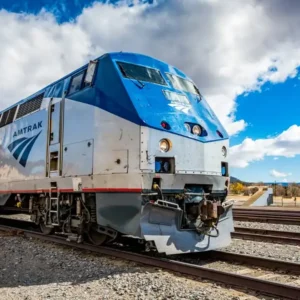
Gold Runner California rail service is emerging as a bright spot even while the state’s high-speed rail project continues to move forward only slowly and other passenger rail services in California gain momentum, as reported by Government Technology.
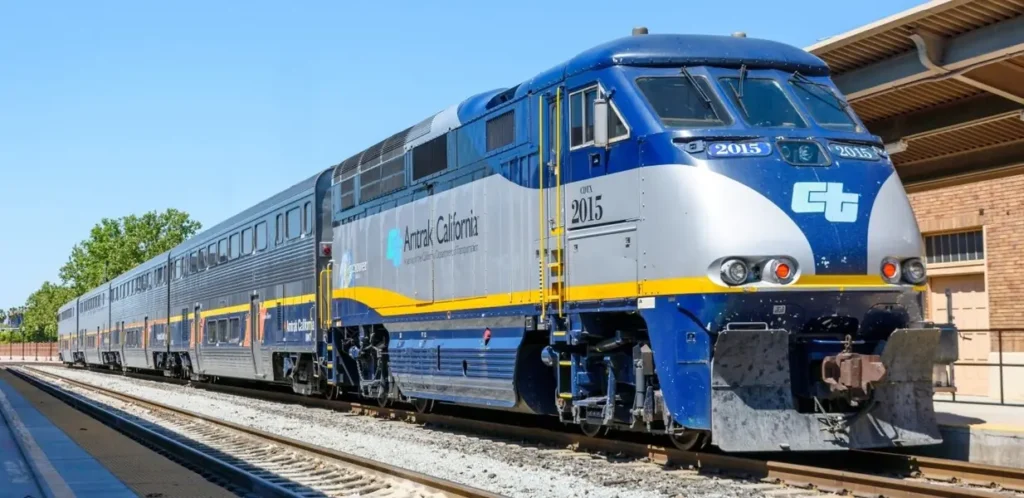
Gold Runner California rail service in the Central Valley
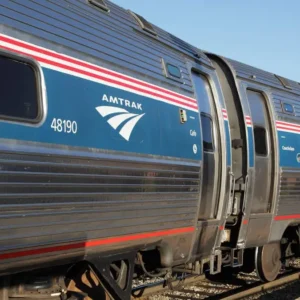
In the Central Valley, the former Amtrak San Joaquins corridor has been given a new identity as the Gold Runner, a change led by the San Joaquin Joint Powers Authority (SJJPA) and highlighted by Railway Supply. This Amtrak San Joaquins Gold Runner rebranding follows the Caltrain electrification project and is intended to improve rail connectivity within the region and to the rest of the state.
Don’t miss…CSX fourth quarter financials under coal, auto pressure
The Gold Runner connects cities between Bakersfield and Sacramento. With the new name officially in place as of last month, the service is set to operate seven daily round trips to Central Valley cities starting Dec. 8, bringing this Central Valley passenger rail service in California back to its pre-COVID-19 frequency. Amtrak will continue to run both the trains and the bus connections that support the route.
SJJPA frames the Gold Runner as part of a broader effort to make rail a more convenient option for everyday travel. Over the years, the authority has expanded and adjusted routes to improve convenience, add new destinations and strengthen connections throughout the state, said Ahdel Ahmed, public relations manager for the San Joaquin Regional Rail Commission, in an email.
Across California, there are three public-sector-supported Amtrak services in California: the Pacific Surfliner between San Diego and San Luis Obispo; the Capital Corridor, which connects Sacramento with the Bay Area; and the Gold Runner, which links communities in the Central Valley. Together they form a statewide network of intercity trains that complements local transit and longer-distance travel.
Thruway bus network and statewide connectivity
Among these services, the Gold Runner is particularly associated with its extensive Amtrak thruway bus network. These Amtrak bus connections extend the reach of the trains well beyond the core rail corridor, so that the Gold Runner functions as a combined train-and-bus system rather than a single line.
Ahmed noted that the thruway bus network is a vital part of the Gold Runner system and a cornerstone of statewide connectivity. By linking towns that are not directly on the tracks to the broader passenger rail network, the buses help ensure that communities beyond the rail line can still access intercity rail service and benefit from improved statewide mobility.
One example from Amtrak’s booking platform is a one-way, 650-mile trip from Los Angeles to Arcata, Calif. This long-distance journey on the Gold Runner California rail service uses a bus–rail–bus combination, costs $98 and involves 15 hours of travel. The itinerary shows how the Gold Runner brand encompasses both the train and its connecting thruway buses, offering a single ticket for a continuous trip across a large part of the state.
Service on the Gold Runner is expected to continue evolving. Ahmed said that future enhancements under discussion include upgraded amenities, dedicated business class seating and other premium options designed to improve the travel experience for riders using this Central Valley passenger rail California corridor.
Caltrain electrification and other passenger rail services
While the Central Valley focuses on branding and connectivity through the Gold Runner and its thruway bus network, the San Francisco Bay Area is seeing its own changes on the Caltrain commuter corridor between San Francisco and Gilroy, Calif. Caltrain, which operates over a 77-mile route south of the city, introduced a new fleet of electric trains this year as part of the $2.4 billion Caltrain electrification project, which has enabled faster, cleaner operations across the corridor.
During a Sept. 22 panel hosted by the Transportation Research Board, Caltrain executive director Michelle Bouchard compared the impact of electrification to flipping a “light switch.” The new system allows trains to run much faster from end to end, reshaping timetables and improving travel times for both express and local services.
For express service between San Francisco and San Jose, the travel time is now 60 minutes. Bouchard contrasted this with typical driving times on the same route, which can range from 1 hour and 15 minutes to 2 hours or longer. For local service, electrification has cut 20 minutes off the end-to-end run time, making rail more competitive with the car.
Bouchard also noted that agencies across the region are working together to make sure the customer experience is as seamless as possible, particularly when passengers transfer between modes. In this way, upgrades on Caltrain and the Gold Runner California train service — alongside the Pacific Surfliner and Capital Corridor — point to an ongoing effort to strengthen passenger rail options and statewide connectivity, while remaining within the factual framework of the original projects.
News on railway transport, industry, and railway technologies from Railway Supply that you might have missed:
Find the latest news of the railway industry in Eastern Europe, the former Soviet Union and the rest of the world on our page on Facebook, Twitter, LinkedIn, read Railway Supply magazine online.Place your ads on webportal and in Railway Supply magazine. Detailed information is in Railway Supply media kit