Fare Dodging on Tyne and Wear Metro Nears Pre-Covid Levels
Fare evasion on the Tyne and Wear Metro fell to 4.6% in 2024, a significant drop from 8.3% in 2021 and close to the 4.0% level reported in 2019. This is reported by the railway transport news portal Railway Supply.
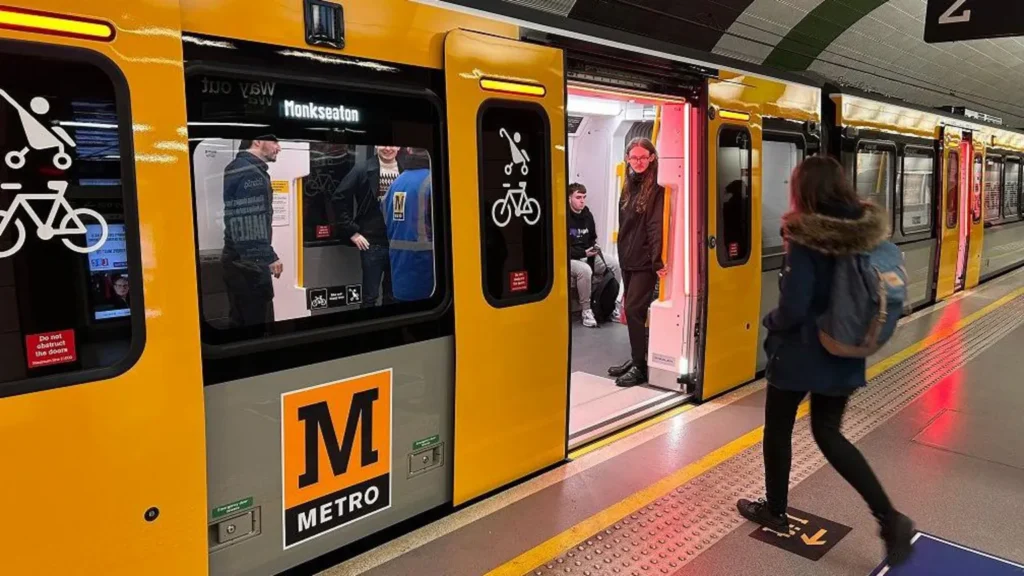
Nexus, the system’s operator, attributes this decline to stricter enforcement and recent fare policy changes. Officials noted that increased fines and new ticket barriers have played a major role in curbing fare dodging.
Don’t miss…Network Rail Builds Sustainable Maintenance Unit in Barnetby
In January 2023, the penalty for not having a valid ticket rose from £20 to £100. This tougher fine, according to Nexus operations director Kevin Storey, strongly discouraged non-paying riders.
Additionally, about 75% of all trips now require passengers to pass through ticket gates. Nexus plans to install more barriers at Regent Centre later this year to strengthen fare control.
To track fare evasion trends, Nexus employed neutral researchers who surveyed passengers directly. While the method depends on passengers’ honesty, it has delivered consistent results across multiple years.
Community observers welcomed the trend. Kevin Dickinson, who moderates a Metro-focused Facebook group, said the drop is encouraging. However, he believes free travel for children under 11 may have influenced the statistics.
The child fare policy, introduced in 2021, allows young riders to travel for free when accompanied by an adult. While it reduces fare evasion rates, it doesn’t generate additional income.
Overall ridership has not yet returned to pre-pandemic numbers. Nexus recorded over 34.5 million trips in 2019, compared to 30.9 million in 2024. This gap continues to affect total revenue.
Tyne and Wear Metro Benefits from New Fare Penalties
Storey said higher penalties make riders reconsider traveling without a ticket. He emphasized that every fare collected helps cover daily operating costs.
Tyne and Wear Metro Adds Ticket Barriers to Cut Losses
Storey also reiterated that the Metro operates as a public service, not a for-profit entity. Every dollar collected supports the system’s long-term sustainability and improvement.
Source, photo: www.bbc.com
News on railway transport, industry, and railway technologies from Railway Supply that you might have missed: