Dorval Hub Plan Would Link VIA Rail, exo and Airport Shuttle
13.08.2026
CANADA: VIA Rail has launched co-development of the Dorval Multimodal Hub, a planned integrated station that would bring VIA Rail, exo and the YUL airport shuttle together before construction planned for 2027.
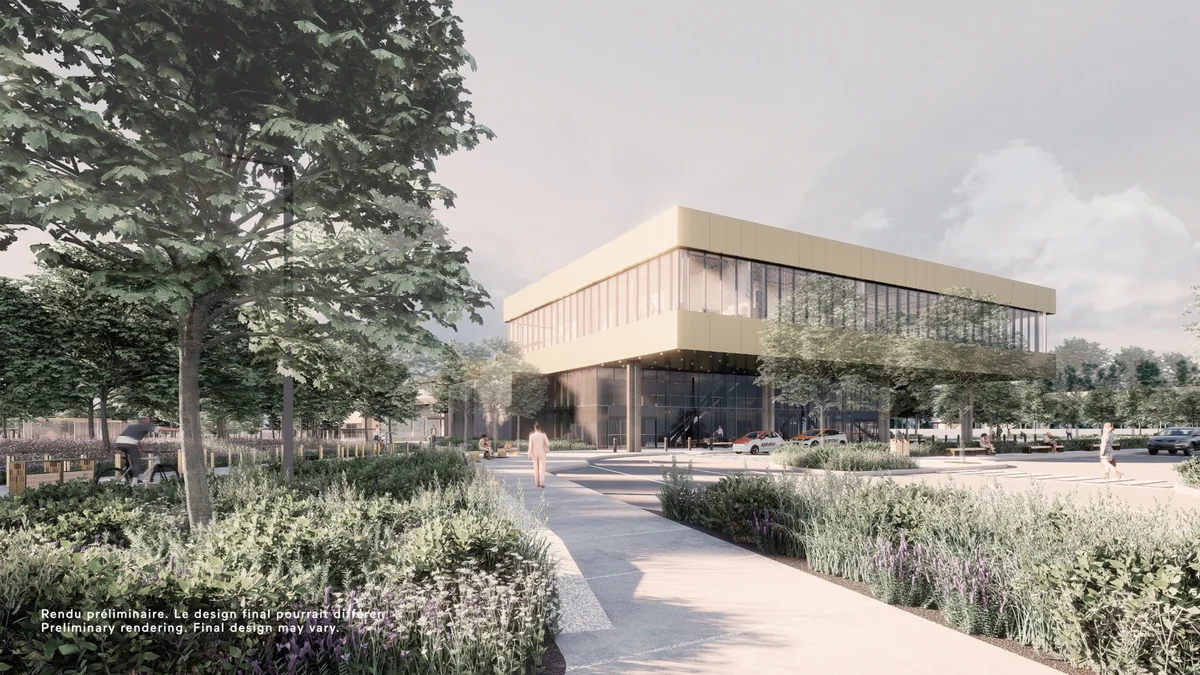
The project would bring the VIA Rail and exo stations together on the current exo site, integrate the airport shuttle and better align connections with the nearby Dorval Terminus operated by STM. VIA Rail’s announcement says the detailed design and end-to-end passenger journey will be defined during co-development with Kiewit, ARTM, exo and Aéroports de Montréal.
VIA Rail says about 250,000 travellers use its Dorval station each year. The company expects the new arrangement to mean less movement between separate facilities and shorter transfer times, but those are future benefits: the project is not yet under construction and the detailed layout has not been finalized.
Today’s VIA Station Is 2 km from the Airport
At present, VIA Rail’s Dorval station is about 2 km from Montréal-Trudeau International Airport. VIA Rail says the shuttle between the station and airport runs every 45 to 60 minutes during station opening hours.
That current arrangement helps explain the passenger-connectivity focus of the new hub. The announced project would integrate that shuttle with VIA Rail and exo at one site, while the airport connection remains a shuttle service in the current project description.
Don’t miss…US Freight Railroads Lose Appeal Over Two-Person Crews
No Quantified Transfer-Time Saving Has Been Published
VIA Rail says the hub is intended to reduce travel between facilities and shorten transfers, but its announcement does not provide a numerical estimate for walking-distance reduction or minutes saved. The earlier 2025 request for qualifications also described integration on one site without publishing those figures.
That limitation reflects the project’s current stage. The co-development phase is where the partners will define the detailed design, test feasibility, identify technical challenges and refine cost and schedule estimates. Construction is planned for 2027, so transfer geometry and quantified passenger savings should still be treated as under development.
News on railway transport, industry, and railway technologies from Railway Supply that you might have missed: