Delhi Metro Launches Priority Security for Special Needs
02.06.2025
The Delhi Metro has introduced a fast-track frisking lane to ease security clearance for seniors, PwDs, pregnant women, and others with mobility challenges. This is reported by the railway transport news portal Railway Supply.
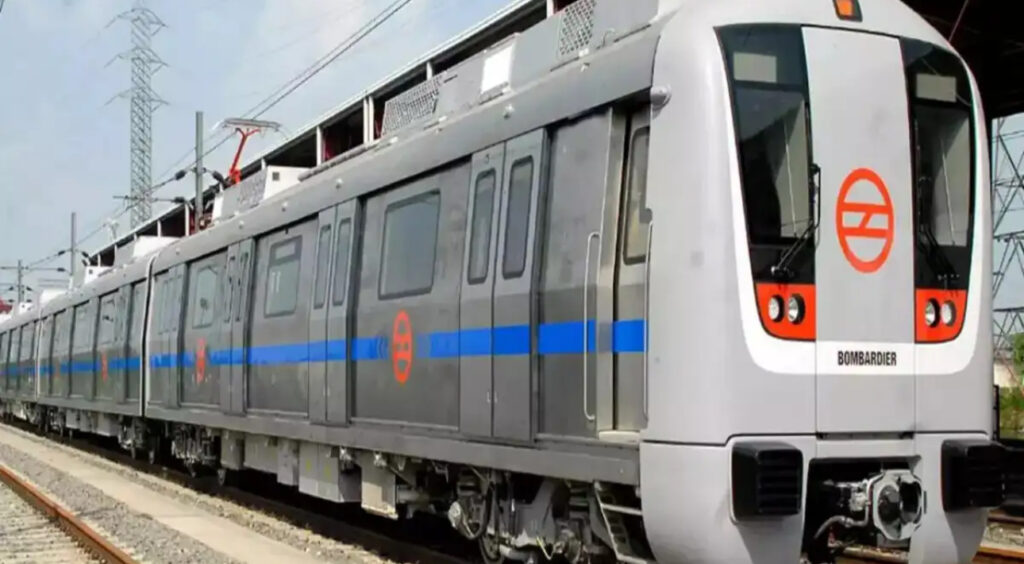
This inclusive policy, developed with CISF, shortens waiting times and reduces stress during peak hours. Clear signage now directs eligible commuters to designated fast lanes at all station entrances.
Don’t miss…KAI Commuter Expands Fleet with Eight New Train Sets Soon
Delhi Metro Expands Inclusive Access for Commuters
The initiative highlights Delhi Metro’s broader commitment to human-centered urban mobility. Its goal is not just efficiency, but equity, ensuring comfort and dignity for vulnerable travelers.
DMRC and CISF officials emphasized a trust-based process, with discretion guiding requests for age proof or medical documents. Frisking staff now follow updated guidelines for respectful, prompt checks.
Training programs have sensitized all personnel to handle these cases with empathy. They’ve been instructed to prioritize special-category passengers without requiring them to ask for assistance.
Delhi Metro Sets an Example in Public Transit Reform
This move complements earlier efforts such as tactile flooring, women-only coaches, and multilingual signs. Experts welcomed the reform as a cultural shift in city infrastructure.
With over six million daily riders, Delhi Metro’s approach blends operational upgrades with social inclusion. By adjusting procedures for equity, it demonstrates a new standard in mobility design.
Transit analysts see the model as scalable to other Indian cities. Even minor procedural updates can greatly impact commuters who face physical or social barriers in public transit systems.
Riders from special categories have already expressed appreciation, noting the relief of being directed smoothly without having to explain their condition or seek support.
Advocacy groups praised the reform and urged that the model stay flexible to feedback. As cities modernize transport systems, inclusivity must remain a central design principle.
Delhi’s decision reflects not just policy change, but a deeper shift in values — one where compassion and efficiency reinforce each other. Urban mobility should serve everyone, not just the able-bodied majority.
By setting this precedent, Delhi Metro sends a clear message: inclusive infrastructure is essential, not optional. The future of transit must be both smart and humane.
Source, photo: urbanacres.in
News on railway transport, industry, and railway technologies from Railway Supply that you might have missed:



