CTA Seeks Modern Fare Gates for Chicago Rail Stations
USA: CTA is seeking proposals for a fare gate pilot at Chicago rail stations to improve accessibility, replace aging equipment and make fare evasion more difficult.
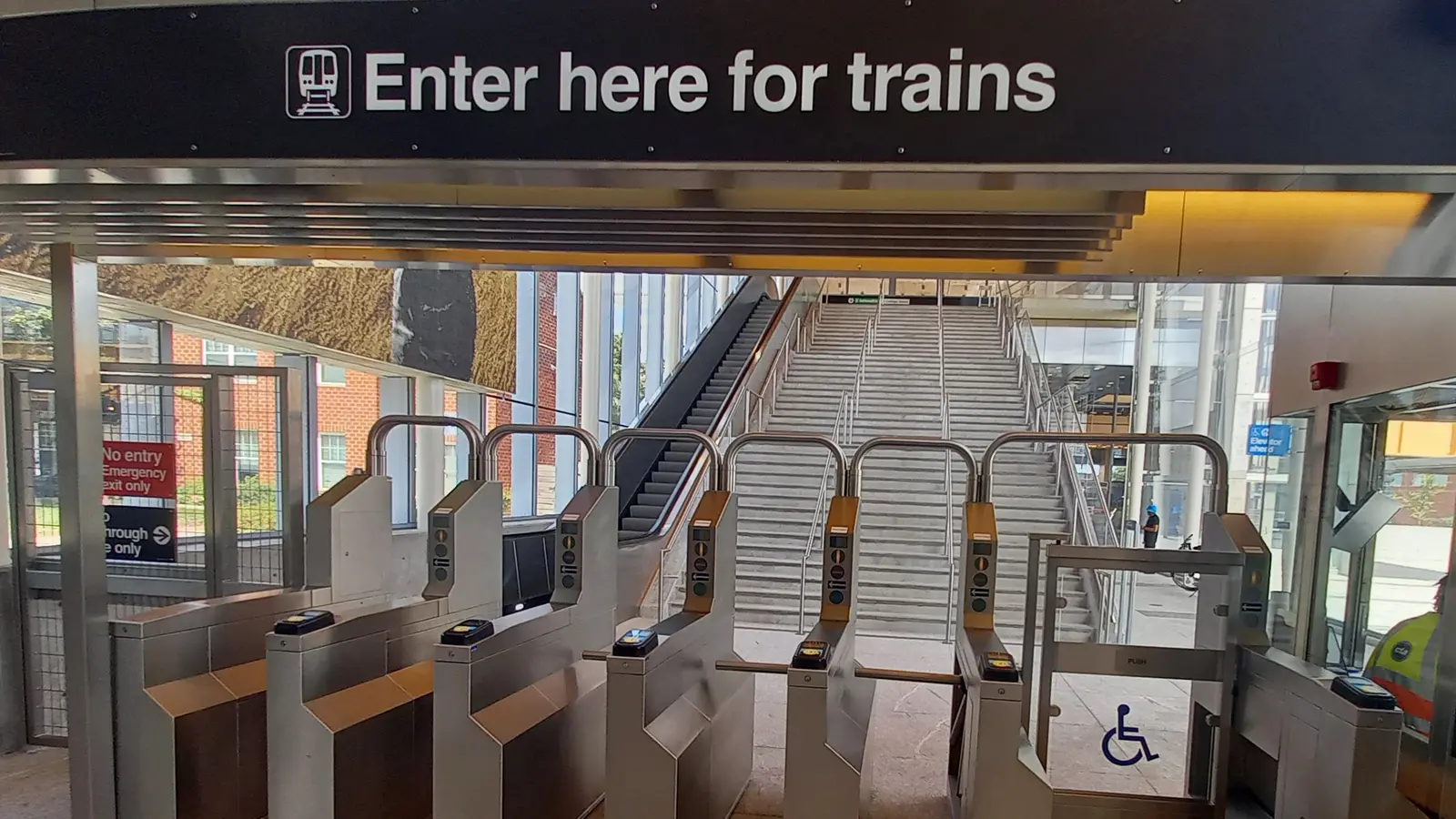
CTA fare gate pilot must work with Ventra
CTA says its current turnstiles are approaching the end of their 40-year design life. Under the agency’s official Innovation Studio call, proposed technology must let riders tap, pay and enter while remaining ADA-compliant, user-friendly and resilient in indoor and outdoor station environments.
Vendors must provide equipment, installation, technical support and a work-order system for maintenance. The gates must also collect entry and exit data, integrate with CTA’s existing fare system and Ventra readers, and support the forthcoming Ventra upgrade.
The pilot would be installed at the main entrance of at least one of 11 candidate stations: Fullerton, Logan Square, Morgan, UIC-Halsted, Western/Milwaukee, Howard, 79th Street, Harlem, California, Cermak-McCormick Place or Illinois Medical District.
May ridership report shows the scale of underpayment
CTA’s May 2026 ridership report recorded an average of 20,483 underpaid rail rides on weekdays, meaning no fare or less than the authorized fare was paid. The comparable bus figure was 147,893, but the current technology call focuses on rail stations.
CTA has not selected a design or supplier. Submitting a proposal does not obligate the agency to buy, rent or otherwise acquire the equipment, and no pilot budget has been announced. Applicants must identify any CTA funding their pilot would require.
Don’t miss…First Nations Firm to Power Melbourne Rail Tunnelling
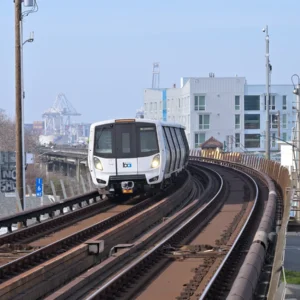
BART offers a reference for taller fare gates
Chicago alder Brian Hopkins introduced an ordinance in late July calling on CTA to examine BART’s fare gates, although CTA has not disclosed which transit systems it is evaluating.
BART completed its next-generation fare gate installation across all 50 stations in August 2025, four months ahead of schedule. Its barriers are at least 72 inches high, while 3D sensors provide additional time for wheelchair users and passengers with bikes, strollers or luggage. The comparison does not make gates a stand-alone safety measure: CTA’s current strategy also includes a 75% increase in policing hours announced this spring.
Proposals close on August 24
Questions are due by 11:59 p.m. CT on August 10, with answers expected by August 17. Phase I applications close at 11:59 p.m. CT on August 24, and CTA expects to notify applicants about the next steps in early September.
Selected teams are scheduled to present during Phase II in early October. CTA may then choose one or more proposals for a pilot, after which the vendor will be responsible for removing its equipment.
News on railway transport, industry, and railway technologies from Railway Supply that you might have missed: