Colorado-BNSF agreement lowers Front Range startup cost
The Colorado-BNSF access agreement is still preliminary. It points to three daily round trips between Denver, Boulder, and Fort Collins in 2029. Even so, that early detail could offer a model for other regional passenger projects.
In Colorado, that Denver-Boulder-Fort Collins rail service is built around a “Joint Service” approach. It combines RTD money already collected to extend commuter service beyond Westminster, Colo. At the same time, it covers the first phase of an intercity corridor from Fort Collins to Pueblo, as Railway Supply noted in earlier coverage of Front Range service.
How the Joint Service approach would work?
The arrangement pulls together several agencies with different funding streams and decision-makers. These include RTD and three divisions of the Colorado Department of Transportation. They also include the Front Range Passenger Rail District. Meanwhile, Lisa Kaufmann is senior strategic advisor to Gov. Jared Polis. She stepped into the process last August and took charge of the negotiations with BNSF.
Don’t miss…Siemens opens North Carolina railcar plant in Lexington
A document released by Kaufmann’s office lays out details normally left until later. Trains obtained it through the Colorado Rail Passengers Association. In many projects, those issues are settled later, after lengthy debate over infrastructure options.
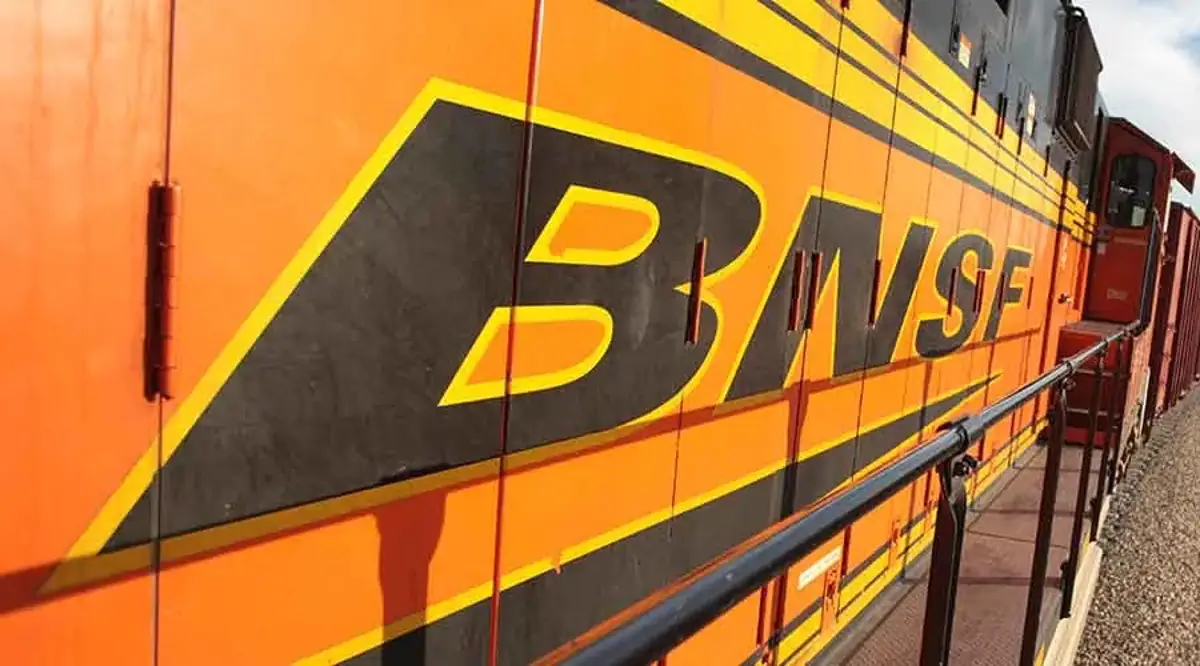
That early work matters. BNSF’s former Colorado & Southern single-track main line has not hosted scheduled passenger service since 1967. That was when Denver-Billings, Mont., trains nos. 29-30 were dropped. In March 2025, the state estimated a cost of $885 million. The estimate covered beefing up infrastructure on the BNSF Front Range Subdivision. It was for frequent but then-undefined service between Denver and Fort Collins. That projection assumed separate RTD and Front Range Passenger Rail operations.
Why the Colorado-BNSF access agreement changed the estimate?
After the state’s negotiations with BNSF, the projected cost dropped to $333 million. That lower estimate is tied to a defined operating plan:
- Three daily round trips would use one set of equipment.
- One spare set would also be used.
- That would avoid passenger meets that would require additional passing tracks.
- Maximum speed of 79 mph.
- Eight station stops, with platforms built near existing parking where available.
- 80-minute actual run time over the 71-mile route.
- Published schedule not to exceed 108 minutes.
- Capital construction projects to track speed, sidings, and switches at 12 locations.
A draft timetable shows how the three round trips would operate under those conditions. Still, it could change after testing once those improvements are made.

The state presentation also cautions that the numbers are not final. In addition, costs will be refined after preliminary design work reaches the 2%-to-30% stage. They will also be refined after talks with Amtrak. The goal is “to confirm annual costs and rolling stock strategy (including maintenance). These numbers WILL change based on further design,” the document says.
Funding, Front Range Passenger Rail, and next approvals
Also, the blueprint explains how money would be allocated. Funding would come from RTD’s FasTrack account or state DOT agencies. The Front Range Passenger Rail District could also share it if voters approve a ballot initiative.
Separately, outreach by the Front Range district has accelerated in recent weeks. It includes community meetings on service plans and a “name the train” contest. Earlier this year, Front Range General Manager Sal Pace discussed a possible November levy with Trains. He said any move to voters would come only after the access agreement was in place. It would also require agency funding commitments for the Joint Service.
In that sequence, the Denver-Fort Collins starter route would come first. At the same time, expansion to Colorado Springs and Pueblo would still need dedicated capital and operating funding. It would also need another access agreement with BNSF and Union Pacific. That agreement would cover use of the Joint Line.
Another immediate milestone comes on April 28. RTD’s board could then authorize use of FasTrack funds for the initiative. That would address the obligation to extend B Line service from Westminster to Longmont. Residents there have been taxed without receiving rail service since approving a 2004 referendum.
The Joint Service plan between the state and BNSF resembles commuter rail negotiations. The state presentation says the agreement “achieved efficiencies through not having federal jurisdiction over performance management; this is done instead through the contract governed by state law.” Also, it “allows coordination for occasional long freight trains, versus spending millions in infrastructure for occasional long trains.”
Meanwhile, other corridor projects remain in the Federal Railroad Administration’s multi-step Corridor ID process. Colorado’s pragmatic solution raises the possibility that a similar process could be applied elsewhere. Still, that would require state and local political will and an open-minded railroad.
News on railway transport, industry, and railway technologies from Railway Supply that you might have missed: