CN social license to operate: America250 and IRAP in focus
CN social license to operate is taking on a more visible role in how Canadian National Railway talks about cross-border growth, as reported by Yahoo Finance.
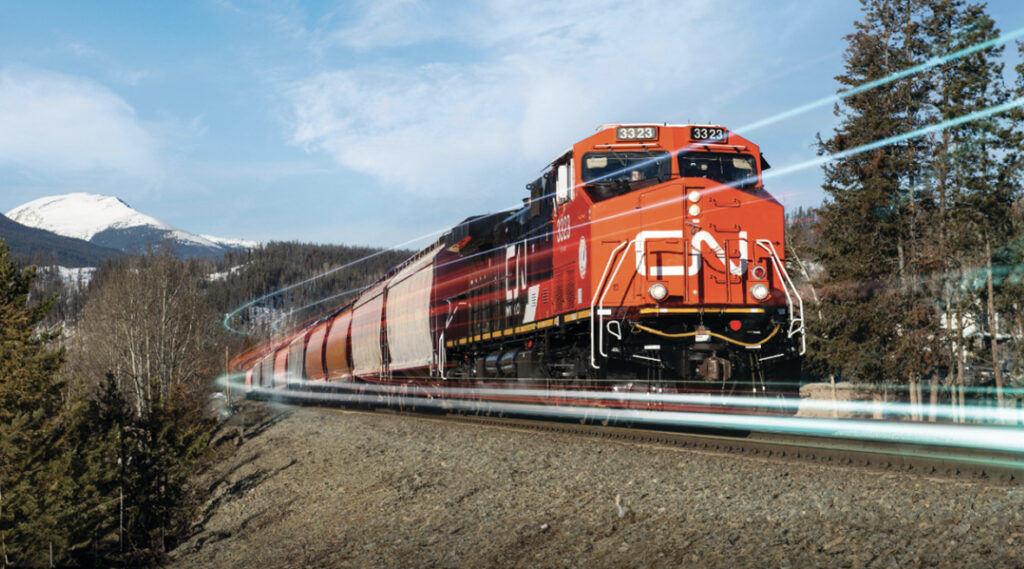
CN runs a major North American freight rail network linking Canadian and U.S. supply chains for commodities, manufactured goods, and intermodal traffic.
Don’t miss…NSW Regional Rail fleet update: two new trains enter testing
Across the sector, operators are investing in reliability, safety, and partnerships with local communities. Also, non-financial themes—such as cultural recognition and Indigenous engagement—are showing up more often alongside traditional measures like volumes and capital spending. For investors following TSX:CNR, the added context is less about immediate results and more about how CN positions itself with regulators, shippers, and communities on both sides of the border. In addition, the direct financial impact may be hard to isolate, yet these efforts can still shape long-term stakeholder relationships and influence how the business is perceived over time.
CN social license to operate and stakeholder visibility
Two examples in the narrative fall into the “license to operate” bucket rather than core freight metrics: the America250 tribute locomotives and the Indigenous Reconciliation Action Plan (IRAP). Canadian National depends on long-lived, linear infrastructure that runs through hundreds of communities in both Canada and the U.S. At the same time, social and political support remains part of the operating backdrop alongside commercial performance.
The America250 tribute locomotives, as covered by Railway Supply, are presented as part of CN’s push to stay visible with regulators, shippers, and local governments as it leans further into U.S.-focused freight corridors. That visibility matters as CN competes with Union Pacific, CSX, and Norfolk Southern on key intermodal and export corridors.
Indigenous Reconciliation Action Plan (IRAP) update
The Indigenous Reconciliation Action Plan (IRAP) update notes that 20 of 24 actions were completed in 2025, as outlined by CN. The update frames Indigenous engagement as a structured, measurable program rather than one-off outreach.
That can matter when CN pursues capacity projects, rights-of-way, or permitting tied to its network investments and safety spending. From an investor perspective, neither initiative changes the financial story on its own, but both may influence execution risk around future capital projects, cross-border growth plans, and CN’s ability to defend its long-term market position.
How this fits the TSX:CNR investor narrative?
The IRAP progress aligns with the view that CN is focused on disciplined execution and high-return projects, because stronger community relationships can reduce delays and cost overruns on network investments. At the same time, the increased emphasis on U.S.-facing branding through America250 locomotives could test the idea that CN can maintain pricing power while competing directly with large U.S. peers on key intermodal and export corridors. Still, the visibility benefits and stakeholder goodwill linked to these initiatives are not fully reflected in a narrative that often concentrates on efficiency, margins, and capital allocation rather than social-license factors.
News on railway transport, industry, and railway technologies from Railway Supply that you might have missed:


