Chuo Shinkansen Construction Clears Shizuoka Hurdle
Chuo Shinkansen construction has cleared its longest-running regional obstacle after Shizuoka Governor Yasutomo Suzuki approved an environmental agreement covering the delayed mountain section on July 7.
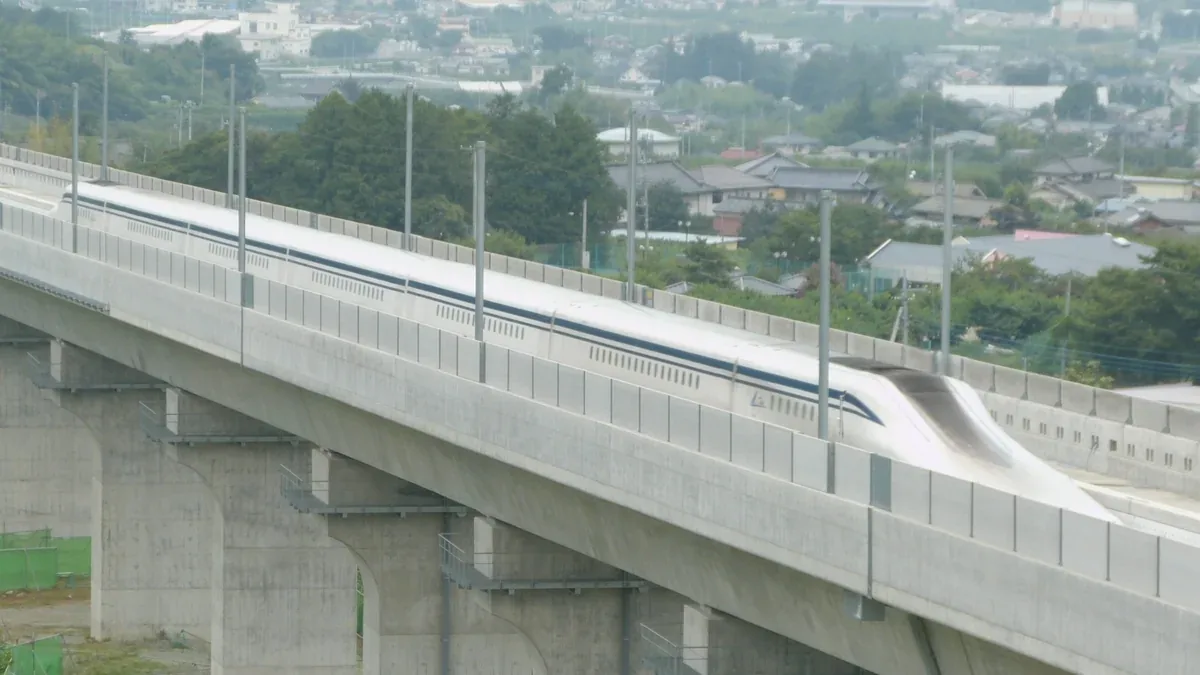
Chuo Shinkansen construction moves toward tunnelling
Suzuki said Shizuoka Prefecture would sign a natural-environment conservation agreement with JR Central on July 18. The decision followed 22 public meetings held from May 26 to June 22, which attracted 1,137 participants.
The governor’s statement said dialogue on 28 environmental issues had concluded in March 2026 after 44 expert-panel meetings and more than 300 working-level discussions since December 2023. The talks covered water resources, biodiversity and the management of excavated material.
“We have reached the stage at which the agreement can be concluded.” — Governor Yasutomo Suzuki, translated from Japanese
The decision does not mean excavation will begin immediately. JR Central must still complete statutory procedures, including permits linked to river management and land-development controls. Suzuki said the relevant applications were submitted on July 3 and that the required approvals were now considered reliably foreseeable.
The agreement will also establish continuous monitoring during and after construction. It will permit work to be paused while causes and countermeasures are assessed if unexpected environmental conditions emerge.
Don’t miss…TÜV SÜD and MEDHA Expand Hydrogen Rail Partnership
Why Chuo Shinkansen construction remains complex?
According to the JR Central project fact sheet, the company plans a 285.6-km line between Shinagawa and Nagoya using superconducting magnetic levitation. Commercial trains are designed to operate at 500 km/h, reducing the fastest journey from 86 minutes to about 40 minutes. The vehicles levitate roughly 10 centimetres above the guideway at speed.
The disputed Shizuoka section passes beneath the Southern Alps and the headwaters of the Oi River. Concerns about river flow, groundwater, biodiversity and spoil disposal produced an impasse lasting almost nine years.
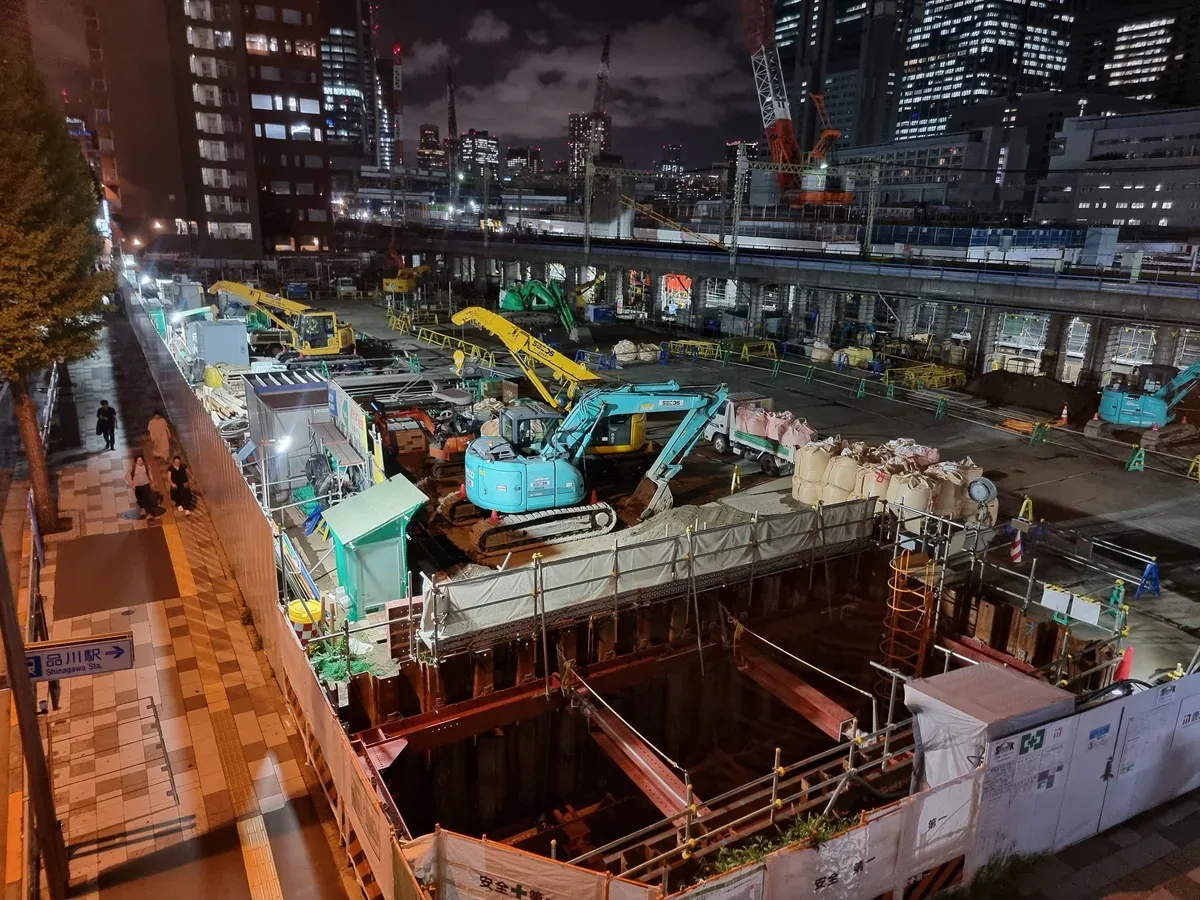
A new oversight structure will connect Shizuoka’s environmental review panel, the national transport ministry’s monitoring conference, JR Central and affected communities. The original 2027 opening target has been abandoned. Japanese reports identify 2036 as the earliest plausible year, but JR Central had not formally announced a revised opening date by July 15.
For the railway supply chain, the agreement brings the project closer to full tunnelling activity and associated demand for civil works, monitoring technology and specialist equipment, although permits and environmental safeguards remain critical schedule risks.
News on railway transport, industry, and railway technologies from Railway Supply that you might have missed: