Athens Metro Begins Regenerative Braking Tests on Line 1
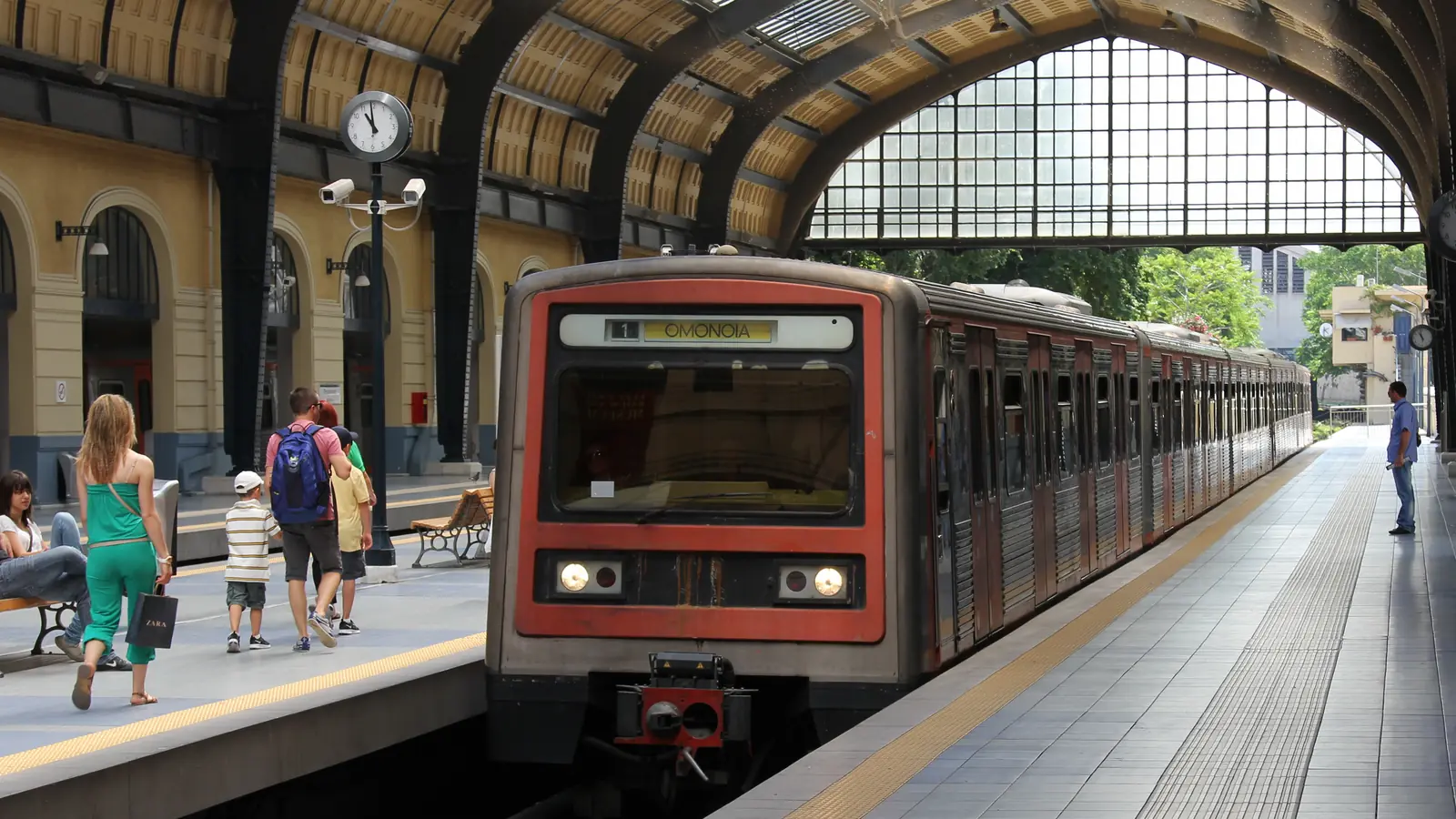
GREECE: Athens Metro has begun testing a regenerative braking system on Line 1 that STASY expects to recover 4,500 MWh annually, equal to 12.5% of the route’s electricity use.
Trial starts at Neo Faliro
Trial operation began in mid-July at the Neo Faliro traction substation. The installation is the first regenerative braking system deployed on a railway network in Greece, while a second system is due to be commissioned at the Iraklio substation.
Both sites are on Athens Metro Line 1, the Piraeus–Kifissia route also known as the Green Line or the ISAP electric railway. STASY operates the metro and tram networks in the Greek capital.
Siemens Mobility is implementing the project for STASY with funding from Greece’s ESPA development programme. The operator’s original project announcement valued the award at EUR 4,136,404.21 and set a 28-month contractual term. Completion is expected before the contractual deadline in December 2026.
Don’t miss…DB InfraGO Temporarily Waives Fees for Heatwave Train Cuts
How braking becomes reusable electricity?
During braking, a train’s electric motors can operate temporarily as generators, converting kinetic energy into electricity instead of dissipating it as heat. The new equipment captures that electricity, converts it and feeds it into the public grid.
The recovered power can then be used by other trains or railway facilities, reducing the electricity STASY must purchase. The projected 4,500 MWh annual recovery remains an estimate that the trial must validate, rather than a measured operational result.
Final acceptance follows testing at both sites
The same project modernises the ageing traction substations at Neo Faliro and Iraklio. The upgraded equipment is intended to make the power supply more reliable and reduce faults associated with older installations.
STASY’s procurement specifications require a two-month trial period for each substation, with final acceptance following successful testing and commissioning of both sites. Neo Faliro has now reached that trial stage, while Iraklio is the next installation in the sequence.
After Line 1’s results are evaluated, STASY has said the technology would be considered for Lines 2 and 3. Similar energy-recovery equipment is also planned for substations on the Line 4 project.
News on railway transport, industry, and railway technologies from Railway Supply that you might have missed:


