Amtrak Acela delays: Senate report cites years of setbacks
25.12.2025
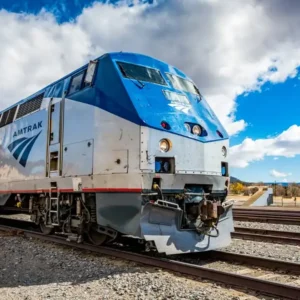
Amtrak Acela delays have stretched to more than four years, according to the full Senate report released late Monday. The report points to planning and design complications, track issues, and an effort to reach higher speeds that have not materialized.
This is reported by the railway transport news portal Railway Supply.
The report says Amtrak’s $2.3 billion program to replace its high-speed trains on the Northeast Corridor led to $287 million in lost revenue and unplanned maintenance costs because the older Acela fleet stayed in service longer than expected. Senate Commerce Committee chair Ted Cruz, a Republican, highlighted those figures in the document.
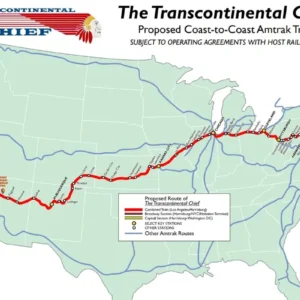
Don’t miss…Proposed Amtrak rail route could restore passenger trains to WNC
Senate report on Amtrak Acela program criticizes procurement choices
In addition to the schedule and cost questions, the Senate report on Amtrak Acela program criticized how the purchases were funded. It said the Biden administration paid for Amtrak cars “to run on tracks that are not yet built,” calling the move an “irresponsible and quixotic decision.” The report also noted that the Trump administration rescinded more than $4 billion for California’s long-delayed high-speed rail project, prompting California to file suit.
Amtrak said Acela trip time improvements require infrastructure improvements, including modernizing tracks and overhead wires. It also said the new train cars had to meet government design specifications for higher speeds.
Amtrak added that meeting those requirements meant the manufacturer and the regulator had to work through new safety standards and testing, which contributed to service delays. The passenger railroad said the next-generation Acela trainsets offer 27% more capacity than older versions, a point also mentioned in Railway Supply coverage of the rollout.
Why new Acela trains are slower timetable so far?
Amtrak began rolling out the new trainsets in August, but the Senate report noted they are currently operating on a slower timetable than the prior generation. It also referred to a 2023 watchdog report that found design issues and other problems in the Acela program.
The Senate report recommended that Amtrak prioritize procuring service-proven trainsets and technologies that allow manufacturers to compete on price, rather than requiring idiosyncratic technical specifications. It argues that shorter and more reliable timetables are the goal, not marginally higher speeds.
Northeast Corridor upgrades and the late-2026 speed timeline
Last month, Amtrak President Roger Harris told Reuters that the passenger railroad needs to retire the older Acela trains before it can begin raising speeds, because the signaling system can’t be optimized for the higher speed until then. He estimated the higher speeds would begin in late 2026, while noting that any increase would be marginal due to the curvature of some railroad bridges on the Boston to Washington corridor.
In November, Amtrak set a yearly record for ridership and revenue, cut losses by 15% to $598 million, and said it aims for operational profitability by 2028. Amtrak plans to replace regional trains starting next year and is considering new trains for long-distance service.
Congress approved $66 billion in funding for rail projects as part of a 2021 infrastructure bill, with $22 billion dedicated to Amtrak.
News on railway transport, industry, and railway technologies from Railway Supply that you might have missed:
Find the latest news of the railway industry in Eastern Europe, the former Soviet Union and the rest of the world on our page on Facebook, Twitter, LinkedIn, read Railway Supply magazine online.Place your ads on webportal and in Railway Supply magazine. Detailed information is in Railway Supply media kit