Adamuz Accident Report Faces Delay Over Staff Shortage
The Adamuz accident report may miss its one-year deadline because only five rail investigators are handling four serious cases, including three assigned exclusively to the crash that killed 46 people.
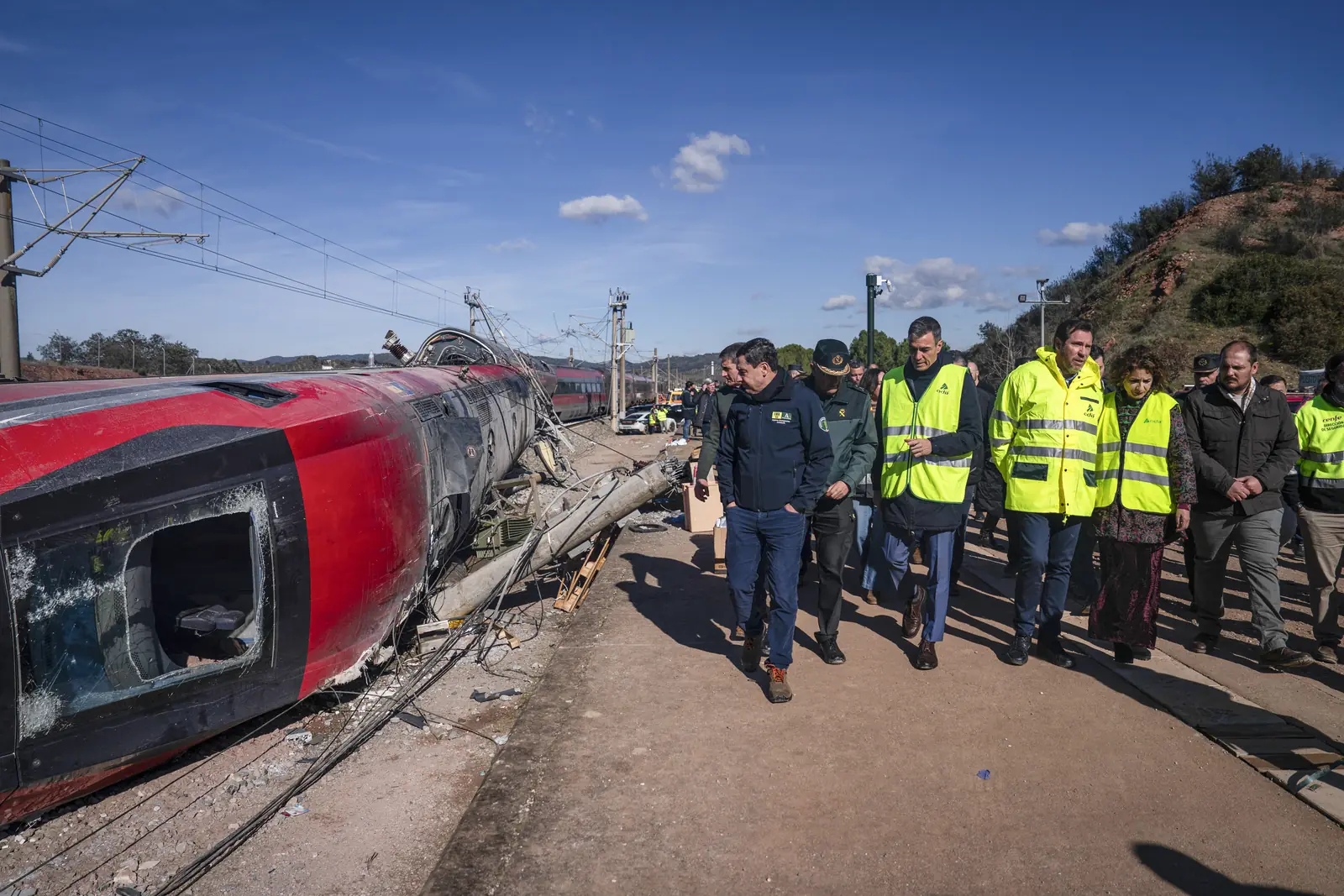
Six months after the collision, the investigation coordinator has warned that staffing shortages could affect both the timetable and the technical depth of the final report. A Cadena SER report based on her letter describes the team’s situation as serious.
Five investigators are covering four serious accidents
Two experienced rail investigators recently moved into management positions within Spain’s new multimodal accident investigation authority. That left five investigators, three of whom have less than six months’ experience in this work.
Only three are assigned exclusively to Adamuz. The remaining two contribute to the case while also working on other investigations. In total, the five-person team is examining four serious accidents.
The Adamuz investigation requires the assessment of extensive documentation, metallurgical evidence, maintenance records and data from trains and infrastructure systems. According to the letter, previous requests for additional personnel had not produced a concrete response by the time it was sent.
Don’t miss…STV to Design Amtrak Richmond Converter Station Upgrade
Broken rail remains the working hypothesis
The accident occurred on 18 January 2026 on the Madrid–Seville high-speed line. Several rear cars of an Iryo train travelling from Málaga to Madrid derailed and entered the adjacent track, where they were struck by a Renfe Alvia train.
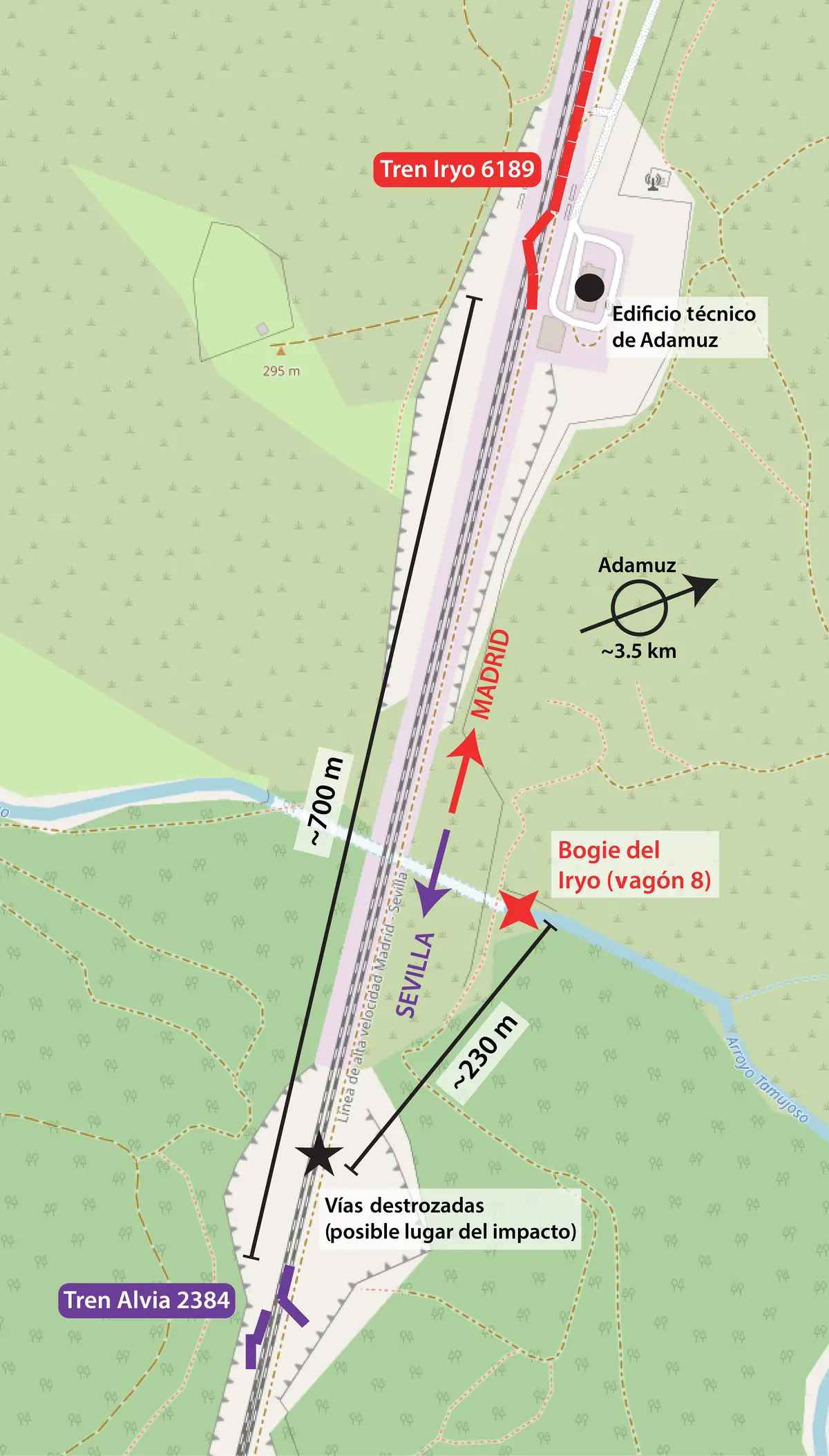
The official technical update published on 23 January said marks found on several wheels and deformation observed in the track were compatible with a fractured rail.
Investigators must still establish why the fracture occurred and whether earlier inspections could have detected it. Sections of rail and the welded joint are being analysed alongside construction and maintenance documents, train records and infrastructure-monitoring data.
New authority takes over the technical inquiry
The investigation began under the Railway Accident Investigation Commission, or CIAF. Its responsibilities are transferring to the Independent Administrative Authority for the Technical Investigation of Railway, Maritime and Civil Aviation Accidents and Incidents.
The Spanish government appointed the authority’s leadership on 7 July and said the organisation would begin operating during July and assume investigations already in progress.
The technical inquiry is intended to identify causes and produce safety recommendations, not determine criminal liability. A separate judicial investigation is continuing and may examine some of the same evidence for a different purpose.
Additional staff could determine the timetable
Metallurgical and technical examinations are expected to continue for several months. However, the investigation coordinator says the workload cannot be completed to the necessary depth without urgent reinforcement.
Until the final report is issued, a rail fracture remains the leading technical explanation. Its precise origin—and whether inspection or maintenance shortcomings contributed—has not been definitively established.
News on railway transport, industry, and railway technologies from Railway Supply that you might have missed:


