WMR and LNR expand services amid rising passenger demand
17.11.2025
Passenger demand continues to strengthen across WMR and LNR networks as new services, electric trains, and wider contactless ticketing quietly pull more travellers back to rail during the opening months of the 2025/26 financial year.
This is reported by the railway transport news portal Railway Supply.
Passenger demand trends across regional and long-distance routes
The Office of Rail and Road (ORR) publishes fresh data for the first quarter of 2025/26 in its regular Passenger rail usage release, and it shows a 12% year-on-year rise in journeys.
Don’t miss…Forest Hill Flyover Marks New Phase for Chicago Rail Operations
That jump means more than two million extra trips and lifts combined WMR and LNR volumes to 67.7 million passengers in 2024/25, with forecasts pointing to over 80 million journeys if current passenger demand holds.
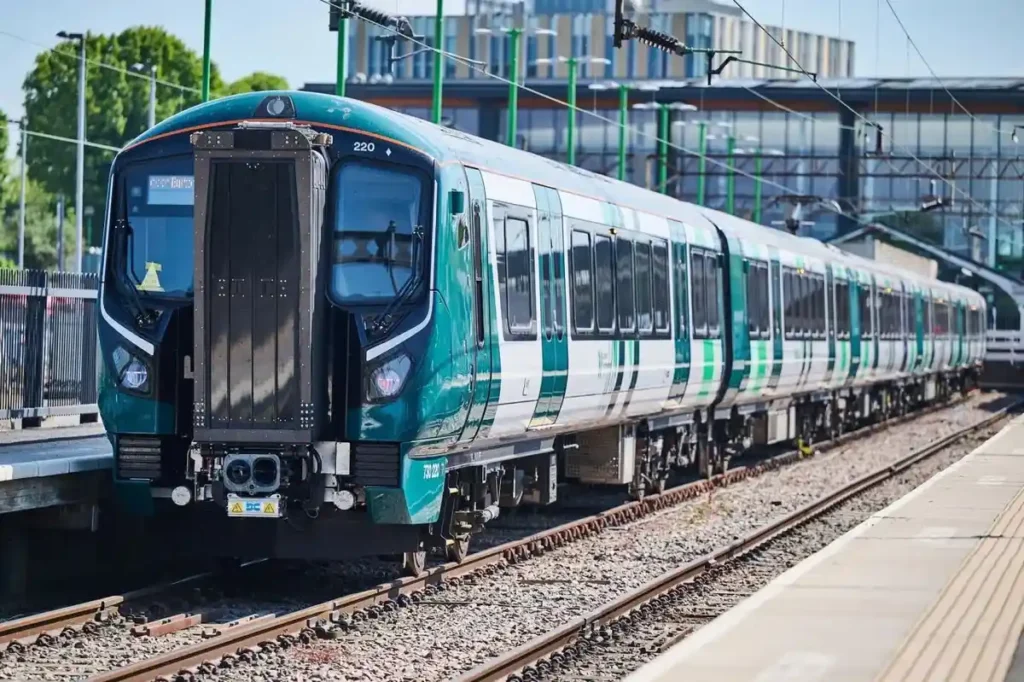
Inside both operators, managers link this momentum to practical changes rather than a single breakthrough. LNR adds extra services in December 2024, WMR and LNR roll out two new train fleets across their network, and weekend numbers climb as leisure travellers decide rail feels convenient again.
The commuter market into London adds another layer. As more south-east stations adopt contactless payment, regulars and occasional travellers alike face fewer barriers at the gate line, so they choose the train more often instead of defaulting to the car or coach.
ORR’s figures place WMR and LNR—two sister operators under the Transport UK banner and presented together on the London Northwestern & West Midlands Railways news site—among the top five rail companies nationally for growth. For many commuters and longer-distance passengers, that ranking simply reflects what they already see on platforms: busier services and fuller trains on core routes.
Managing director Ian McConnell describes the shift more bluntly, saying demand for travel has “sky-rocketed,” especially on longer-distance flows to and from London Euston. He notes that ridership returned slowly after the pandemic, but over the last 12 months some routes record new highs as people respond to value fares, extra services, and, frankly, the basic reliability of having more trains available.
He also stresses that this wave of passenger demand does not just benefit operators. As more people buy tickets and return to rail, revenue supports the wider system, and, as McConnell puts it, a thriving railway “is good for passengers and taxpayers alike.”
Passenger demand outlook for WMR and LNR in 2025–2026
Looking ahead, WMR and LNR plan around a network that can carry more people, not fewer. Their new electric fleet now provides 20% more capacity on routes to and from London Euston, so planners can schedule services that absorb growing interest instead of turning people away at busy times.
Next year, WMR prepares to open five new stations across its region; in practice, that means more local communities gain a realistic rail option for daily trips and occasional journeys. LNR, meanwhile, continues to introduce its Class 730 electric fleet on additional services, and this step-by-step rollout gives both brands more flexibility when they adjust timetables or strengthen key routes.
LNR also aims to start direct services to Manchester Airport from December 2026. That new link will tie the international gateway more closely to Birmingham, Wolverhampton, and Stoke-on-Trent, so travellers from the West Midlands can reach flights without changing trains as often.
Even before that connection goes live, one in ten journeys between Manchester and London Euston already involves an LNR leg, a small but telling reminder of how intertwined these flows have become. Over time, that pattern is likely to shape how both cities think about rail links to the airport and beyond.
Fares still matter, and LNR leans heavily on sharp pricing to keep long-distance routes attractive. The operator advertises Birmingham New Street to London Euston from £9 one way, or £5.95 with a Railcard, and encourages passengers to check its official website for current long-distance deals.
Liverpool Lime Street to London Euston starts from £14, or £9.30 with a Railcard, so travellers who plan ahead can lock in intercity trips at a level that feels closer to regional bus pricing than premium rail.
For WMR and LNR, these offers sit alongside timetable changes and fleet investments as part of one story: a sector where passenger demand returns not by accident, but because the railway gives people clear reasons to come back.
News on railway transport, industry, and railway technologies from Railway Supply that you might have missed:
Find the latest news of the railway industry in Eastern Europe, the former Soviet Union and the rest of the world on our page on Facebook, Twitter, LinkedIn, read Railway Supply magazine online.Place your ads on webportal and in Railway Supply magazine. Detailed information is in Railway Supply media kit