
Wabtec Raises 2026 Guidance as Q2 Sales Reach $3.18 Billion
Wabtec raised its 2026 guidance after second-quarter sales climbed 17.5% to $3.18 billion, with growth across freight and transit and stronger cash generation during the period.
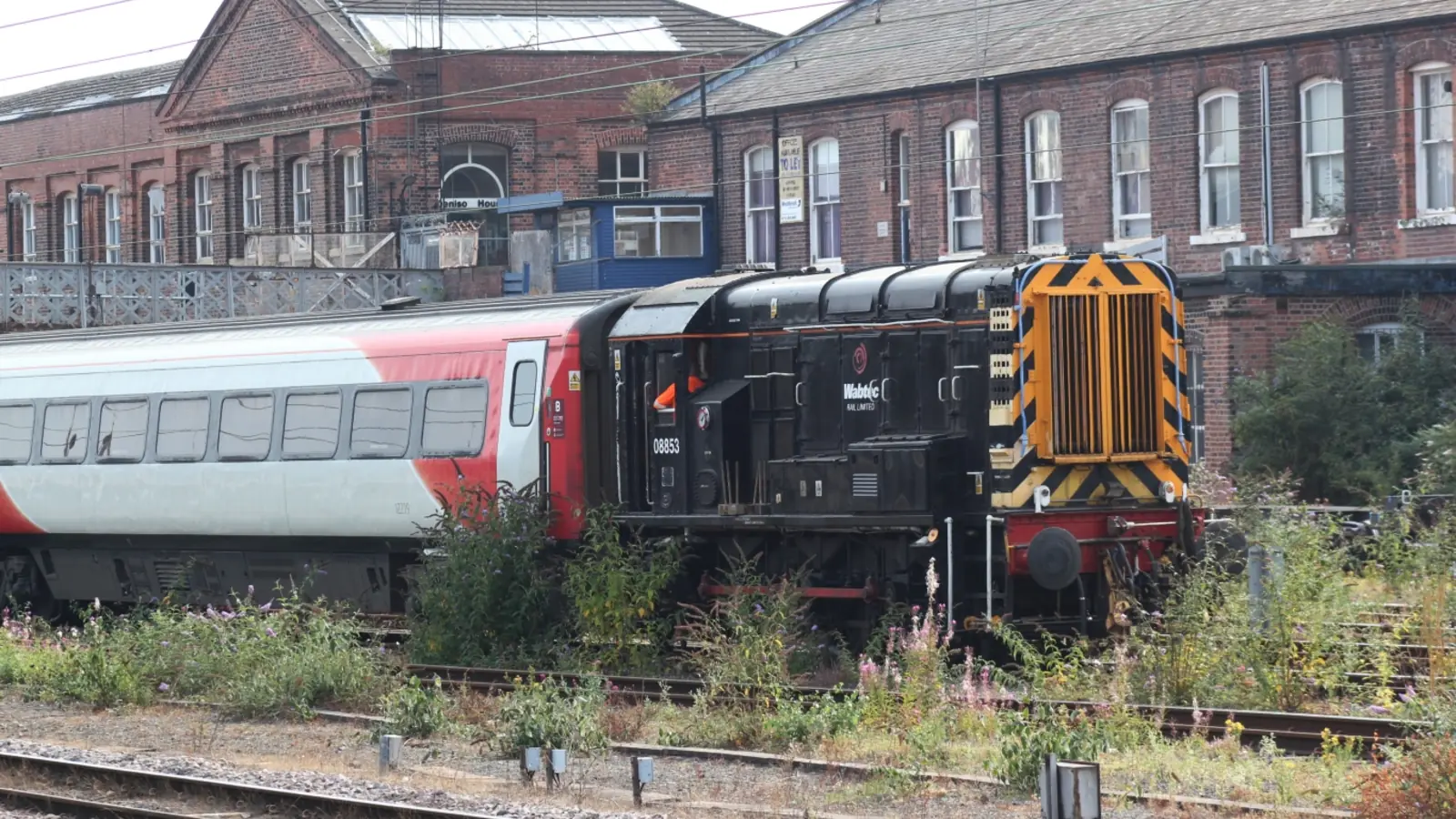
Freight and transit sales drive Q2 growth
According to Wabtec’s official second-quarter release, freight segment sales increased 16.9% year over year. Equipment revenue rose 35.0% on higher locomotive deliveries, while services fell 4.2% because of lower modernization deliveries, which the company had expected.
Digital sales climbed 88.5%, reflecting the acquisitions of Inspection Technologies and Frauscher Sensor Technology.
Transit segment sales rose 18.9% to $936 million, helped by the completed acquisition of Dellner Couplers, higher original-equipment and aftermarket sales, and favorable exchange rates. Its adjusted operating margin increased 2.5 percentage points to 17.7%.
At the consolidated level, adjusted operating margin was 21.9%, up 0.8 percentage points. Adjusted earnings per diluted share increased 21.6% to $2.76.
Don’t miss…A43 Traffic Moves onto New Bridge Above the HS2 Route
Backlog and cash flow support higher guidance
Cash flow from operations more than doubled to $441 million from $209 million. Wabtec attributed the increase to higher net income and favorable working capital.
At June 30, 2026, the company’s multi-year backlog stood at $30.93 billion, while its 12-month backlog was 11.3% above the year-earlier level.
Wabtec lifted its full-year revenue forecast to a range of $12.30 billion to $12.60 billion. That raised the midpoint by $110 million and placed the range 11.5% above 2025 revenue.
The company also increased its adjusted earnings-per-share outlook to $10.60–$10.90, raising the midpoint by $0.30. Wabtec said that midpoint would represent a 19.9% increase from the prior year. Both ranges remain forward-looking guidance rather than reported results.
News on railway transport, industry, and railway technologies from Railway Supply that you might have missed:


