U.S. transit budgets and service changes move ahead
15.06.2026
U.S. transit budgets and service changes are moving ahead across several agencies, with updates covering rail funding, subway construction, public safety, fare payment and service adjustments.
U.S. transit budgets and service changes across agencies
The Orange County Transportation Authority board last week approved a balanced $2 billion budget for fiscal year 2026-27, which begins on July 1. OCTA officials said the spending plan covers transportation services, capital projects and programs approved by the board. Around $260 million, or 13% of the budget, is assigned to regional rail services, while $40 million, or about 2%, is allocated to local rail services.
Bay Area Rapid Transit has also adopted a balanced budget for FY27. The plan includes $1.2 billion for operations and $828 million for capital expenses, and it runs through June 30, 2027. BART’s pandemic emergency funds are expected to run out during the fiscal year, and the budget assumes voters will approve a new sales tax measure in the November election. Even with that expected revenue, BART still had to close a $302 million gap. To avoid service cuts until the tax proceeds become available, the agency made $18.2 million in departmental reductions, eliminated 63 operating full-time positions and borrowed $88.5 million.
Second Avenue Subway Phase 2 and Houston safety update
In New York, the Metropolitan Transportation Authority last week broke ground on major construction for the $7 billion Second Avenue Subway Phase 2 project. In early 2027, a tunnel-boring machine will be lowered underground and begin mining new MTA New York City Transit subway tunnels from 120th Street and Second Avenue to 125th Street and Malcom X Boulevard. According to the authority, the project is applying lessons from the first phase to deliver $1 billion in savings. Those measures include reusing a tunnel section built in the 1970s, acquiring real estate earlier, changing contract structures and reducing back-of-house areas, ancillary spaces and station sizes.
In Texas, the Metropolitan Transit Authority of Harris County has opened a new Metro Police Department substation in Houston near the George R. Brown Convention Center. The Partnership Tower site is the department’s third substation. It serves an area that the authority described as one of Houston’s busiest locations for hospitality, entertainment and business. Authority officials said the facility also strengthens public safety for passengers using nearby light rail, bus services and direct airport drop-off stops.
Metrolink contactless payment pilot and RTD-Denver changes
Metrolink has launched a six-month pilot contactless payment system for passengers traveling between Redlands and Los Angeles. Riders can now use credit cards, debit cards or mobile wallets by tapping at station validators before boarding and again when exiting. The pilot removes the need to buy tickets from machines or use the Metrolink mobile app. The system is also intended to make fare payment easier for out-of-town visitors coming to the region for FIFA World Cup 2026 events, which run through July 19.
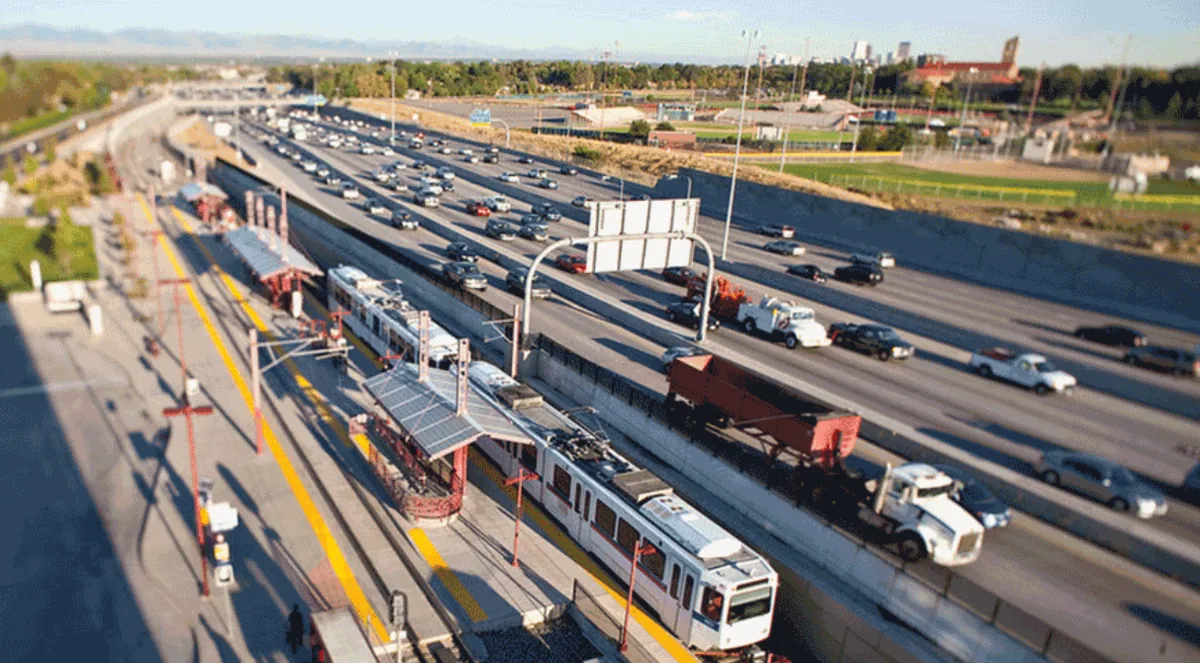
Regional Transportation District–Denver introduced service changes on June 7 across light-rail, commuter-rail and bus operations. The adjustments created new connections and increased service frequencies on light-rail, commuter-rail and bus services. Many of the changes support riders during RTD’s downtown rail reconstruction project, which also started on June 7, agency officials said. During the works, the D, H and L lines will be suspended. RTD has reinstated the C Line and increased service frequency while adjusting routes on six other rail lines.