Trump’s Impact on Amtrak and U.S. Rail Funding
07.11.2024
The recent election introduces challenges for U.S. passenger rail due to Trump’s administration and Senate control. Rail advocates worry about potential cuts to funding, though some hopeful factors might persist. This was reported by the railway transport news portal Railway Supply.

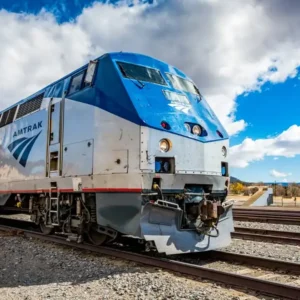
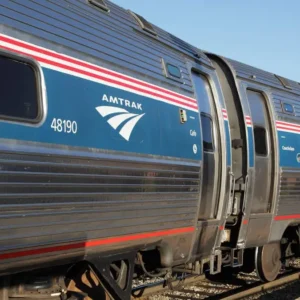
Donald Trump’s win raises questions about Amtrak’s future, especially concerning long-distance services outside the Northeast Corridor. Many sources suggest the GOP-controlled Senate will support Trump’s cost-saving measures on transit projects.
Trump’s Proposed Cuts Could Impact Amtrak and High-Speed Rail Projects
One anticipated impact includes slowed action at Amtrak and the Federal Railroad Administration. Leaders argue this delay will affect important infrastructure upgrades, risking setbacks on previously funded projects.
Funding for New Technologies in the Railway Industry in the United States
Historically, Republicans like President Reagan sought cuts to transportation funds, specifically targeting Amtrak’s budget allocations. However, Congress often balanced executive proposals, defending crucial passenger rail systems from total defunding.
Amtrak remains reliant on key supporters within Congress to maintain stable operations and project expansions. Senators such as Chuck Schumer advocated for long-distance trains, especially outside high-density Northeast areas.
Roger Wicker (R-Miss.), a longtime Amtrak supporter, may continue promoting necessary projects and Amtrak’s rural routes. He was instrumental in paving the way for Gulf Coast service, connecting New Orleans and Mobile.
Some think recent Amtrak board appointee Joel Szabat could bridge relationships between Amtrak and the administration. Szabat previously worked as acting undersecretary of the Department of Transportation, creating bipartisan connections.
Amtrak also faces scrutiny from Congress, especially regarding executive compensation, if Ted Cruz chairs the Commerce Committee. Cruz has expressed concerns on funding, especially how Amtrak allocates and compensates executives.
Amtrak’s legislative strategy historically relied on congressional champions to counterbalance executive branch budget proposals. Schumer, with close ties to Amtrak leaders, notably worked with Jared Kushner in recent administrations.
What Trump’s Administration Means for the Future of U.S. Passenger Rail
Support from New York Senator Schumer has provided stability amid executive challenges, securing important project funds. Other long-term Amtrak advocates include former senators from New Jersey, Texas, and Mississippi, boosting funding continuity.
Rail analysts speculate on Congress’ possible pushback against Trump’s transportation cuts, noting precedent in Reagan’s era. Amtrak projects, particularly ongoing ones, might maintain funding as they have already seen initial investments.
Projects already underway, like Baltimore’s B&P tunnel replacement, may avoid cuts due to advanced stages. Rail leaders feel reassured on such projects, noting bipartisan support due to pressing infrastructure needs.
California’s high-speed rail project, a Biden-supported venture, may face challenges under Trump’s proposed cuts. Despite high job creation and local investment, high-speed rail faces opposition from fiscally conservative legislators.
House Republicans remain critical of federal spending on high-speed rail, especially in districts without rail service. The House’s stance will impact upcoming spending bills, potentially halting newer projects with no existing contracts.
Amtrak’s operational budget relies on federal support similar to highway infrastructure, which rarely sees funding challenges. Highway funding remains largely uncontested due to strong political support from construction sectors.
Yet, undecided House races in areas like Maine and New York could affect funding outlooks. House control will determine Amtrak’s future, particularly in passing annual operating budgets and long-distance service appropriations.
Notably, Central Valley races in California, a key high-speed rail region, may influence House majority shifts. Final outcomes in close races could sway rail funding decisions for both high-speed and Amtrak services.
Observers worry that legislative transitions will further delay Amtrak and FRA operations during the administration change. Delays could extend to six months, complicating project timelines and hindering infrastructure decisions.
Joe McHugh, an Amtrak government affairs veteran, foresees potential risks if existing funds go unallocated. He warns that projects at preliminary stages may see funding rescinded, impacting long-term transportation plans.
McHugh remains optimistic on completed projects like Baltimore’s tunnel replacement but cautions about administrative delays. These shifts could stall planning, potentially increasing costs as work pauses awaiting approval.
Trump’s administration may push for transportation cuts as part of a tax-cut-focused agenda. The House GOP has indicated prioritizing spending reductions, likely impacting projects favored by previous Democratic administrations.
Funding reductions could impact California’s high-speed rail specifically, as rural districts continue voicing concerns. Such opposition could pose obstacles, though rail advocates believe benefits outweigh project expenses in the long term.
Amtrak’s national services also face ongoing debates, particularly concerning rural district profitability and federal support justification. The challenge remains balancing federal funding priorities, infrastructure investment, and regional service expansion.
Photo, source: www.trains.com
News on railway transport, industry, and railway technologies from Railway Supply that you might have missed:
Purchase of New Regional Electric Trains: Romania Modernizes Transportation Infrastructure
Find the latest news of the railway industry in Eastern Europe, the former Soviet Union and the rest of the world on our page on Facebook, Twitter, LinkedIn, read Railway Supply magazine online.Place your ads on webportal and in Railway Supply magazine. Detailed information is in Railway Supply media kit