Transit strike averted by SEPTA–TWU contract agreement
09.12.2025
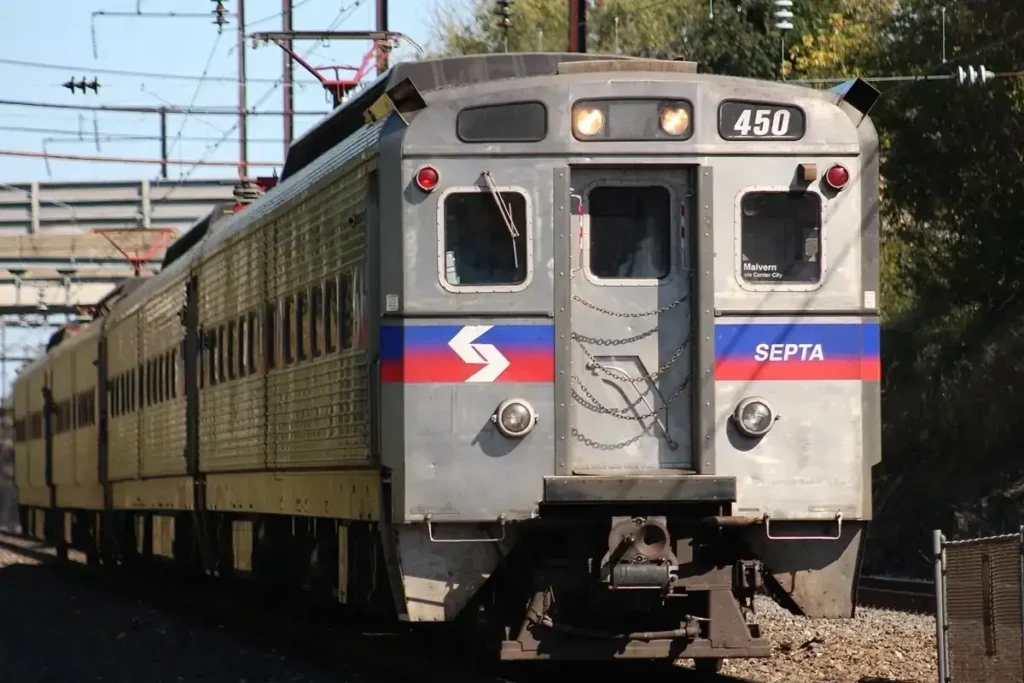
The SEPTA–TWU contract agreement has allowed the agency to sidestep a threatened transit strike and keep buses and trains in service, after negotiators reached a tentative two-year deal with the Transport Workers Union — a development also covered by Trains.
TWU Local 234 President Will Vera said in a statement on Dec. 8 that he was relieved the talks wrapped up without a walkout, stressing that members’ patience was running out while management did not seem in a hurry to conclude negotiations.
This is reported by the railway transport news portal Railway Supply.
He recalled that in earlier bargaining rounds, both sides might have been confined to a hotel until a deal was finally reached. Vera had warned on Friday that a strike could be called at any time — a threat also discussed in industry coverage such as Railway Supply — but in his latest comments he credited Pennsylvania Gov. Josh Shapiro with helping avert the SEPTA transit strike by playing a decisive role in the final push.
Key terms of the SEPTA–TWU contract agreement
According to Vera, the governor and his team brought key figures from SEPTA management and TWU Local 234 together the previous night, cut through the back-and-forth, and secured commitments from both sides. Without that intervention, he said, union members would have been on strike that morning, and that meeting cleared the way for a tentative two-year contract.
Don’t miss…MBTA commuter rail ridership 2025 tops 29 million trips
The agreement provides for a 3.5% wage increase in each of the next two years, forming the core of the SEPTA TWU Local 234 two-year contract terms on pay. It also calls for higher pension payments, an increase in night differential pay, and larger tool and clothing allowances. New employees see changes as well: benefits are improved so that vision and dental coverage will start after 90 days on the job instead of the previous 15-month wait, reflecting one of the key details of the SEPTA TWU tentative agreement on wages and benefits.
In addition, the package introduces a program aimed at improving absence management. SEPTA says in a press release that this SEPTA absence management program, together with the higher night differential, is expected to help ensure adequate staffing levels so that service can be maintained reliably for riders.
Governor’s role and next steps for ratification
Before the tentative deal can take effect, it must be put to TWU members for ratification later this month and then be considered by the SEPTA board. The union represents more than 5,000 workers, including bus operators and rail transit staff, and many employees are watching closely to see what new benefits for SEPTA employees are in the TWU agreement and how it will shape their day-to-day work.
SEPTA General Manager Scott Sauer said in a statement that he appreciated the efforts of negotiators on both sides and thanked Gov. Shapiro and his team for their role in helping resolve differences and reach a tentative accord.
He described the contract as fair to the agency’s front-line workforce while remaining fiscally responsible to fare-paying riders and the taxpayers who fund the system. Union members have been working without a contract since Nov. 7, a gap that this agreement is now set to close once it is ratified.
News on railway transport, industry, and railway technologies from Railway Supply that you might have missed:
Find the latest news of the railway industry in Eastern Europe, the former Soviet Union and the rest of the world on our page on Facebook, Twitter, LinkedIn, read Railway Supply magazine online.Place your ads on webportal and in Railway Supply magazine. Detailed information is in Railway Supply media kit