Thailand-China High-Speed Train Project Expands, Boosting Regional Connectivity
10.02.2025
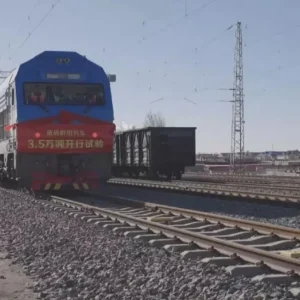
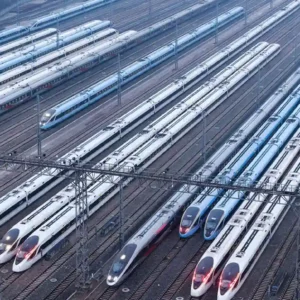
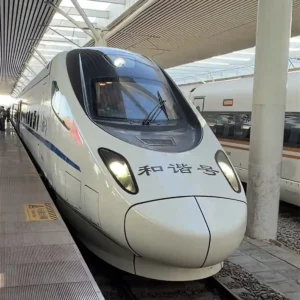
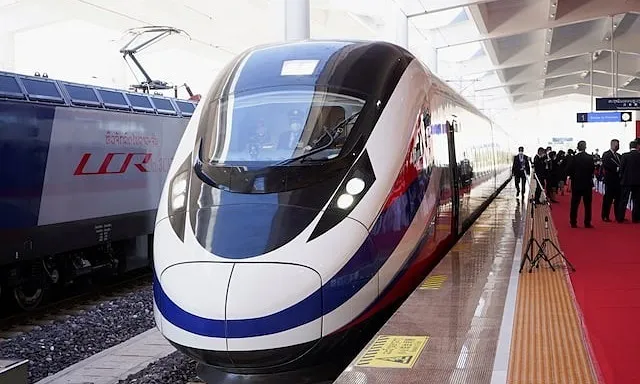
The Thailand-China high-speed train project is advancing with a new phase, enhancing travel efficiency. The expansion will link Bangkok, Laos, and China’s Yunnan province, ensuring faster, seamless transportation across borders. This was reported by the railway transport news portal Railway Supply.
Thailand-China High-Speed Train Project Gains Government Approval
The Golden Rail Corridor moves forward, connecting Bangkok, Vientiane in Laos, and Kunming in China. This project will integrate with the Bangkok-Nakhon Ratchasima Line, currently under construction, ensuring faster travel.
Don’t miss…Historic Railway Earns Prestigious Award Nomination for Marketing Excellence
Thailand’s Cabinet approved the second phase of the high-speed train project on Tuesday. The project, valued at ฿341.35 billion ($10.04 billion), aims to enhance regional transportation and economic cooperation.
According to the Bangkok Post, this expansion will connect the Bangkok-Nakhon Ratchasima line. Once completed, the railway will facilitate seamless travel from Thailand to China’s Yunnan province via Laos.
Last month’s reports confirmed that the first-phase section was only 36% complete. However, construction delays have pushed the schedule back several years, raising concerns among stakeholders.
Transport Minister Suriya Jungrungreangkit announced that bidding for the 357-kilometer second phase will begin this year. The ministry expects construction to conclude by 2030, improving travel times across the region.
Economic Impact of the Thailand-China High-Speed Train Project
The approval coincides with Prime Minister Paetongtarn Shinawatra’s visit to China, focusing on economic and trade cooperation. Strengthening bilateral investment remains a priority for both nations.
Government spokesman Jirayu Huangsab emphasized Thailand’s goal to enhance investment partnerships. The country prioritizes sectors critical to green development, digital transformation, and emerging technologies.
Sustainable industries such as electric vehicles, semiconductor production, and data centers are essential for Thailand’s future economy. The administration is working to attract long-term foreign investments.
The high-speed railway is expected to revolutionize travel across the region. Its completion will significantly boost economic growth and strengthen trade relations between Thailand, Laos, and China.
Officials highlight the importance of the project in supporting trade and tourism. Fast, reliable transport links will enhance connectivity and encourage business expansion.
The Thai government anticipates major benefits from the new infrastructure. Improved transportation networks will reduce travel times, streamline logistics, and attract international business investments.
Infrastructure development remains a strategic priority for Thailand’s long-term growth. Authorities continue pushing for expansion to reinforce the country’s economic and geopolitical position.
This railway will unlock new economic opportunities for Thailand and its regional partners. Increased trade, tourism, and industrial cooperation will result in sustained economic progress.
The project’s success depends on efficient execution and management. Officials remain focused on overcoming logistical and financial challenges while ensuring smooth development.
The second phase will integrate Thailand’s railway network with China’s expanding system. Strengthening these connections is crucial for regional trade and investment growth.
Authorities stress the importance of bilateral cooperation for project completion. Continued collaboration between Thailand, Laos, and China remains vital for long-term success.
The high-speed railway represents progress toward a more connected Southeast Asia. Advancing infrastructure like this positions the region for sustained economic expansion.
Thailand’s commitment to modernizing transportation aligns with its broader economic vision. Future investments in sustainable infrastructure will further solidify the country’s leadership.
As construction advances, authorities will monitor progress to maintain momentum. Ensuring project success remains a top government priority for innovation and economic resilience.
By 2030, travelers will experience faster, more convenient cross-border rail services. This seamless connection will mark a new era in regional transportation and trade.
The Thailand-China high-speed train project reflects Thailand’s ambition for economic transformation. Strategic infrastructure investments will continue shaping the country’s long-term growth.
Source, photo: longmekong.substack.com
News on railway transport, industry, and railway technologies from Railway Supply that you might have missed:
Don’t miss…Amtrak Service Disruptions After South Station Train Derailment
Find the latest news of the railway industry in Eastern Europe, the former Soviet Union and the rest of the world on our page on Facebook, Twitter, LinkedIn, read Railway Supply magazine online.Place your ads on webportal and in Railway Supply magazine. Detailed information is in Railway Supply media kit