Tanzania and Burundi Sign Railway Deal to Boost Mineral Exports
01.02.2025
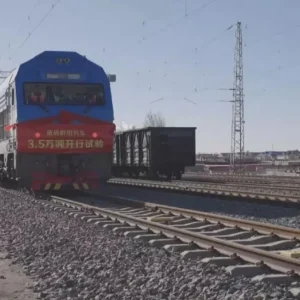
Tanzania and Burundi signed an agreement with Chinese firms to build a railway for mineral exports. This infrastructure project will improve logistics, ensuring efficient nickel transportation to Dar es Salaam. This was reported by the railway transport news portal Railway Supply.

Tanzania and Burundi Strengthen Trade with New Railway Project
The $2.15 billion railway project will be built by China Railway Engineering Group and its design subsidiary. Tanzania’s transport minister, Makame Mbarawa, confirmed the agreement during an official signing ceremony on Wednesday.
Don’t miss…ScotRail Expands Tap&Pay Smart Ticketing for Seamless Rail Travel
Funding for this railway comes from the African Development Bank, Tanzania’s finance minister Mwigulu Nchemba announced. This investment aligns with regional trade goals and aims to streamline mineral exports.
A 282-kilometer railway will transport three million tons of minerals annually to international markets. Tanzania’s finance ministry emphasized the railway’s significance, highlighting its role in economic growth and trade expansion.
How the Tanzania and Burundi Railway Will Impact Regional Trade?
China has invested heavily in African infrastructure, including railways, ports, and power plants. These investments align with the Belt and Road Initiative, strengthening Africa’s economic connectivity.
This railway highlights China’s commitment to developing Africa’s infrastructure for mutual economic benefits. It also supports the region’s strategy to expand mineral exports through improved logistics.
Officials expect the railway to enhance trade, industrial growth, and regional cooperation. They believe this project will also attract further foreign investment and strengthen economic ties.
The project supports global demand for battery minerals, ensuring smoother logistics and lower export costs. This railway enhances Africa’s role in global supply chains, improving mineral transportation efficiency.
African countries continue benefiting from Chinese-funded infrastructure, facilitating commerce and economic stability. Experts suggest such initiatives create jobs, boost development, and attract additional investments.
By improving trade routes, the railway strengthens local economies and enhances transportation infrastructure. This investment positions Africa as a key supplier of essential industrial resources worldwide.
China’s transport investments reflect its long-term commitment to economic cooperation with African nations. These projects also position Africa as a critical player in the global supply of minerals.
The railway will support industries dependent on vital minerals, reducing bottlenecks and improving supply chains. Tanzania and Burundi view this initiative as essential for economic transformation.
As global demand for nickel and other minerals rises, Africa becomes a crucial supplier. This railway boosts export capacity, providing key resources for international markets and technological advancements.
With better infrastructure, mineral transportation becomes more efficient, making Africa more competitive globally. Experts predict such projects will drive further investments, fostering sustainable regional economic growth.
Source: www.msn.com
News on railway transport, industry, and railway technologies from Railway Supply that you might have missed:
Don’t miss…Azerbaijan Railways Advances Digital Transformation with ADB Grant
Find the latest news of the railway industry in Eastern Europe, the former Soviet Union and the rest of the world on our page on Facebook, Twitter, LinkedIn, read Railway Supply magazine online.Place your ads on webportal and in Railway Supply magazine. Detailed information is in Railway Supply media kit