Stadler tests new railcars in Kazakhstan’s extreme cold
06.11.2025
Passenger railway cars made by Stadler, and manufactured at its plant in Astana, Kazakhstan, have successfully passed a series of tests operating under climate conditions in northern Kazakhstan. These tests proved that despite extreme temperatures, the new railway cars are comfortable and of good quality.
This is reported by the railway transport news portal Railway Supply.
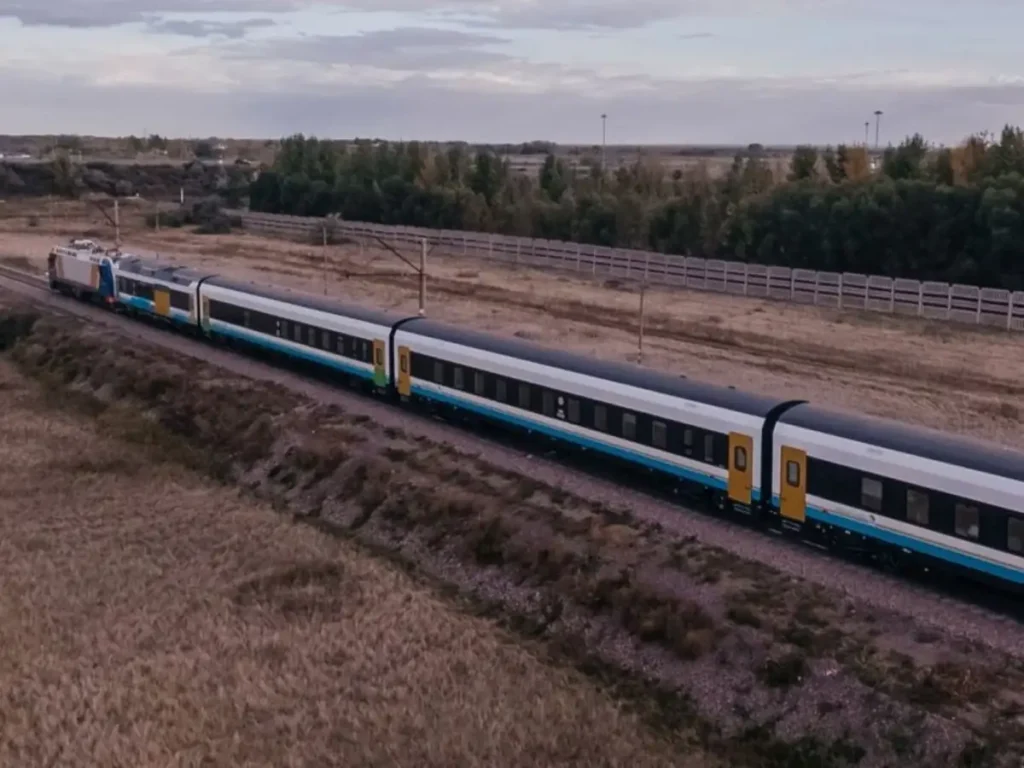
Stadler strengthens its position in Kazakhstan’s rail market
Engineers tested the functionality of heating, ventilation, and insulation systems installed on this tramcar model. When the external temperature went below -10°C, inside temperature remained +22°C, thus testing its efficiency and effectiveness.
It can be inferred that efforts have been made by Stadler to create efficient tramcar vehicles that can be stable and efficient despite adverse climatic conditions, as can be deduced from above tramcar considerations.
The rail cars have been equipped to run effectively under varied temperatures, ranging from -50°C to +45°C. Additionally, body insulations have been improved, and advanced heating and air conditioning systems have been installed by the manufacturer. Moreover, pre-heating equipment has been installed for diesel engines that facilitate easy train starts, especially during peak seasons.
Stadler expands production and advances certification
Since September, the company has been pursuing the certification of its passenger rail cars based on TR CU Technical Regulation No. 001/2011 of the Customs Union. Since then, the first rail cars are scheduled for delivery to Passenger Transportation JSC and will go into operation on major routes nationwide starting December this year.
Additionally, cooperation is encouraged by the Kazakhstan Government itself, as it is supportive of a partnership with the Swiss manufacturer. In coming weeks, an investment agreement is expected to be signed by Stadler Kazakhstan relating to expanding its production facilities. Employment creation and development of local value chains would then be assured.
In summary, these successful trials of climate conditions demonstrate that Stadler’s offerings are fully prepared for operation in Central Asia’s rigorous environment. They continue to develop their network presence in this region through innovation, local assembly, and support for local passenger operations.
News on railway transport, industry, and railway technologies from Railway Supply that you might have missed:
What did Stadler’s climate tests demonstrate?
The tests confirmed that Stadler railcars maintain comfort and reliability at temperatures between –50 °C and +45 °C.
When will Stadler complete railcar certification?
The company expects to finish certification by the end of the year and deliver the first railcars in December.
Can Stadler railcars operate in other extreme climates?
Yes. Their design and onboard systems are optimized for a temperature range from –50 °C to +45 °C, allowing operation in diverse environments worldwide.
Place your ads on webportal and in Railway Supply magazine. Detailed information is in Railway Supply media kit